Display panels in flagship smartphones have moved well beyond basic LCD structures, and new generations of micro-OLED plus LTPO backplanes now deliver pixel response times under 1 …
Articles
News
All Publications
Showing 49 Articles
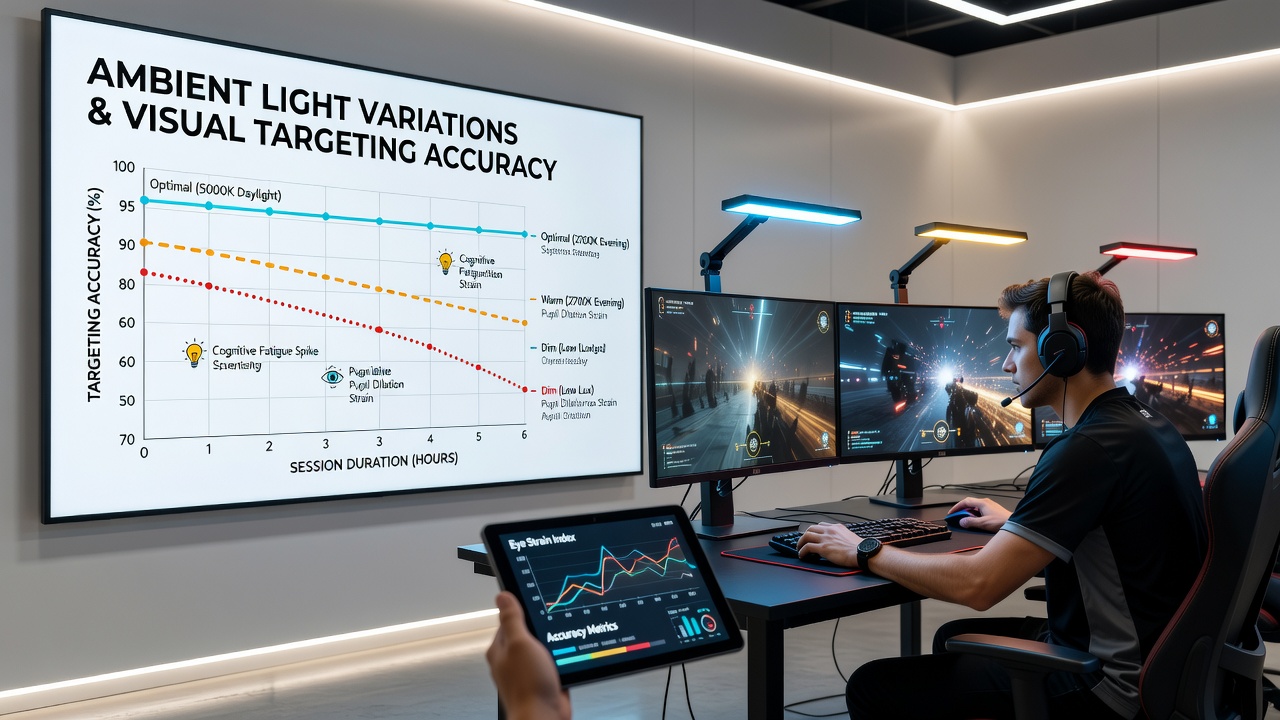
Ambient light variations affect visual targeting accuracy in prolonged virtual competition sessions through changes in pupil response, contrast sensitivity, and eye fatigue …
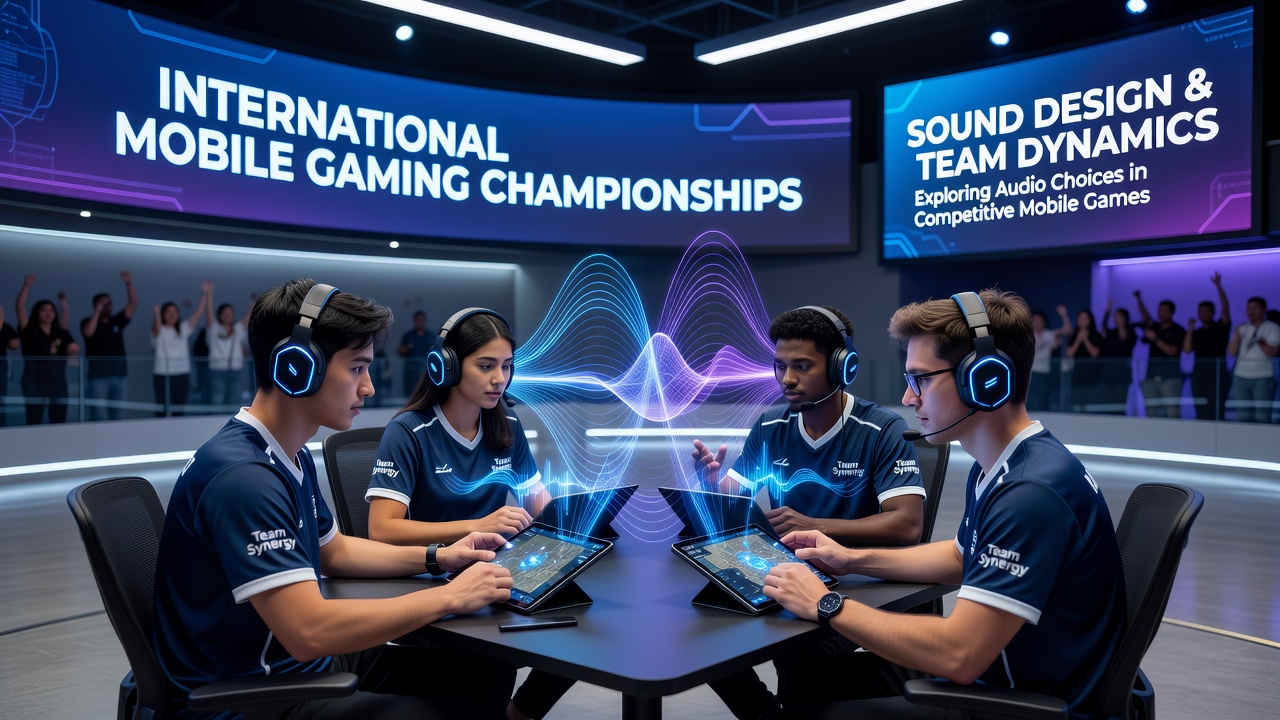
Sound design choices in mobile gaming applications shape how teams coordinate during international competitions through layered audio cues that convey positional data, ability …
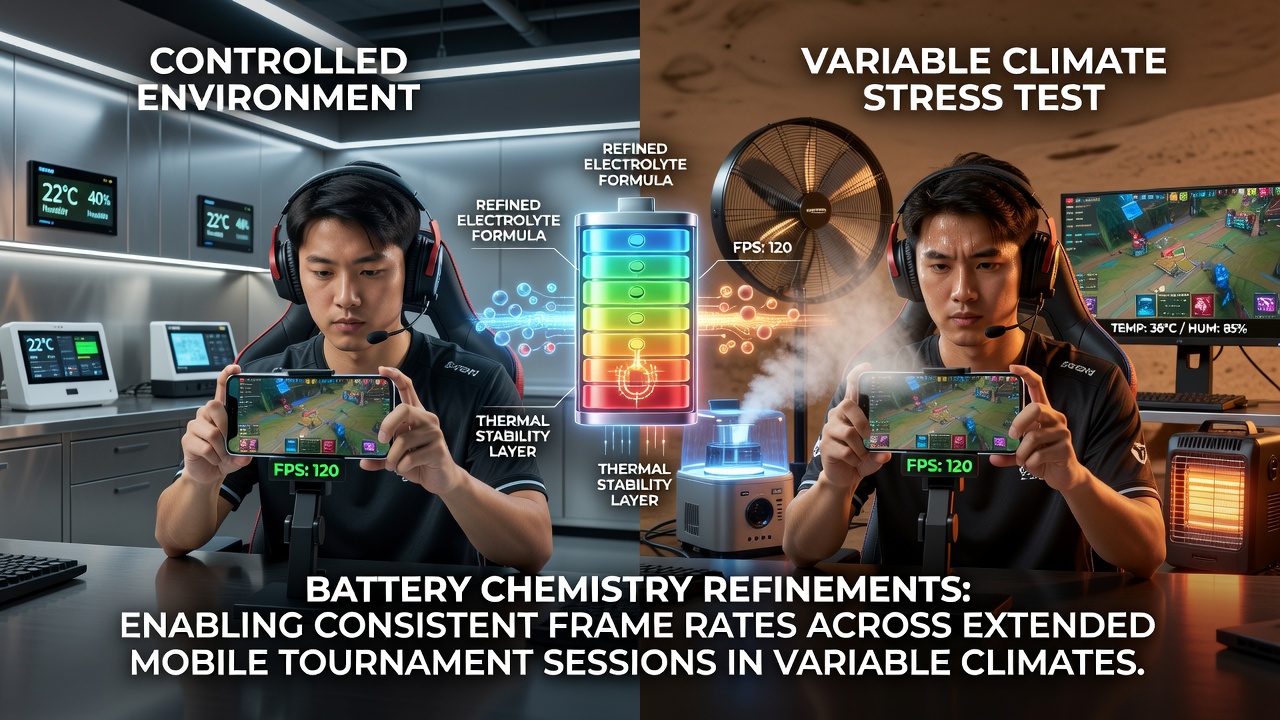
Developments in battery electrochemistry have produced cells that deliver steadier voltage output across temperature swings, which helps mobile devices sustain consistent frame …
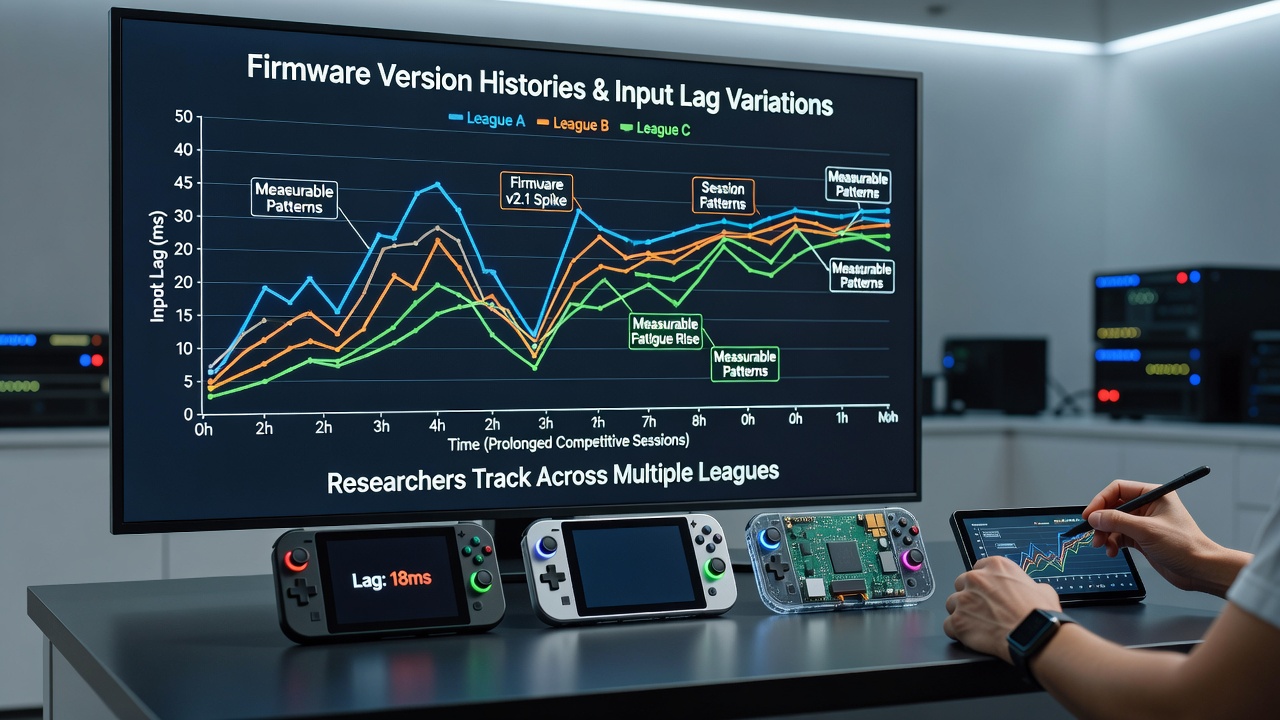
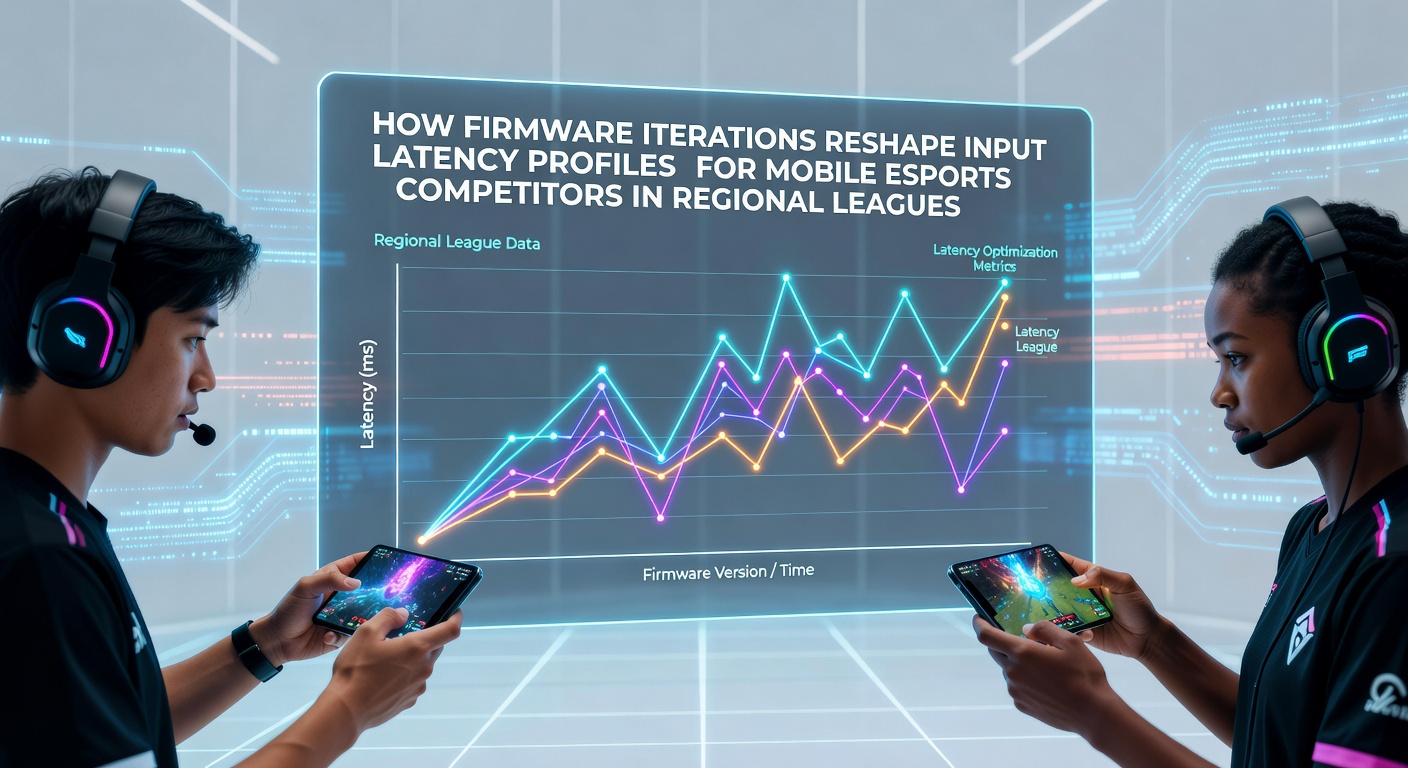
Portable gaming devices used in competitive leagues undergo frequent firmware updates that alter input lag profiles, and researchers across multiple circuits have documented these …
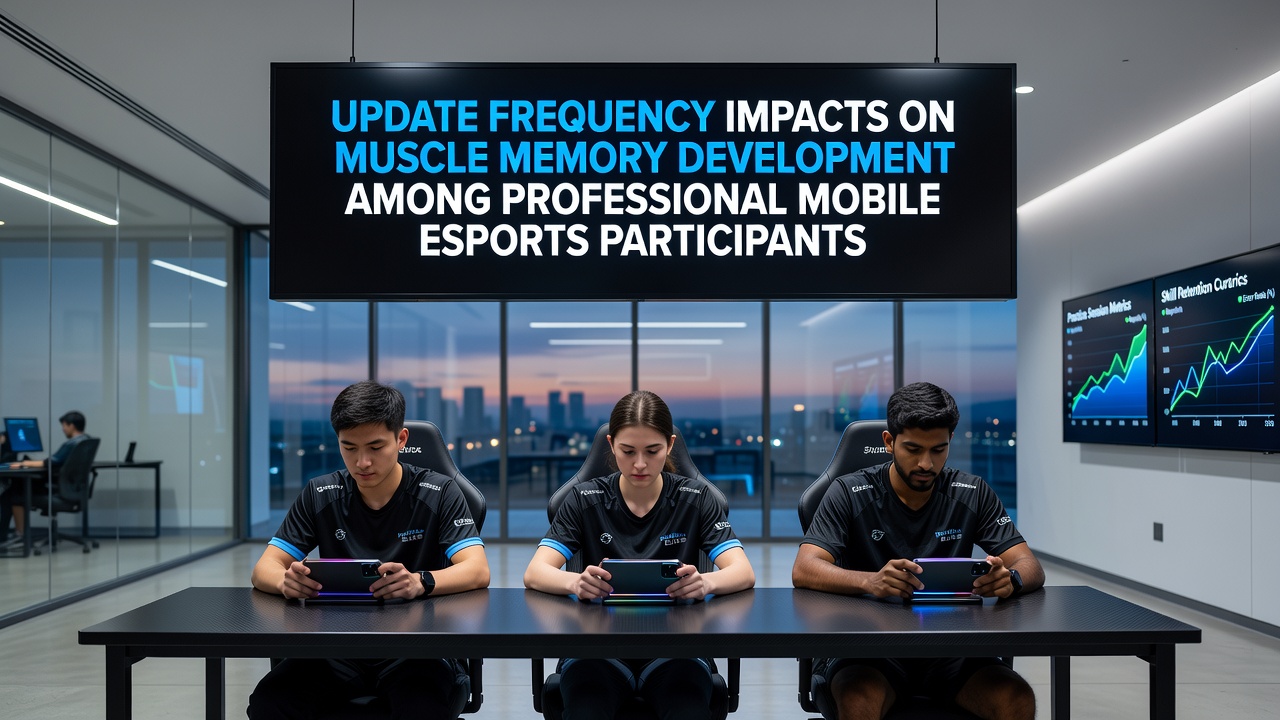
Professional mobile esports athletes face constant shifts in game mechanics because developers release patches at varying intervals, and these changes directly influence how muscle …
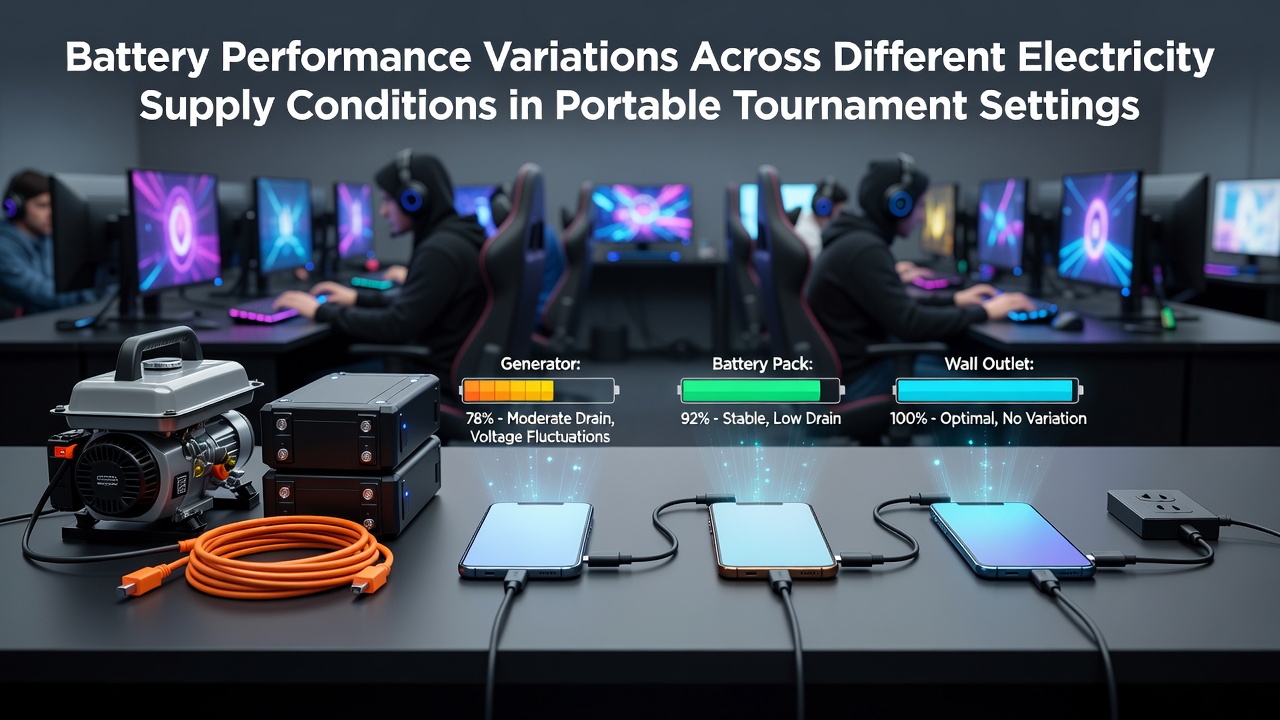
Portable tournament settings bring together competitors who rely on mobile devices and laptops for extended play sessions, yet electricity supply conditions often vary widely from …
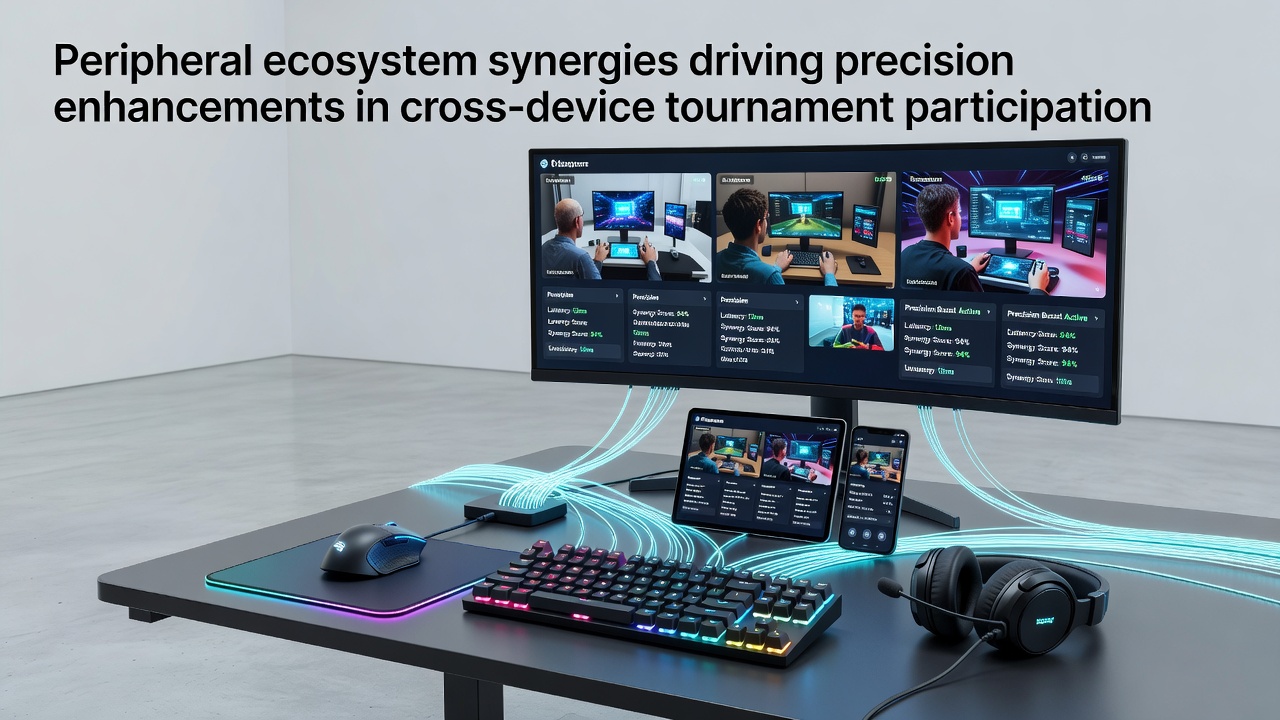
Peripheral ecosystems connect input devices, software layers, and feedback mechanisms across platforms so that competitors maintain consistent control when switching between …
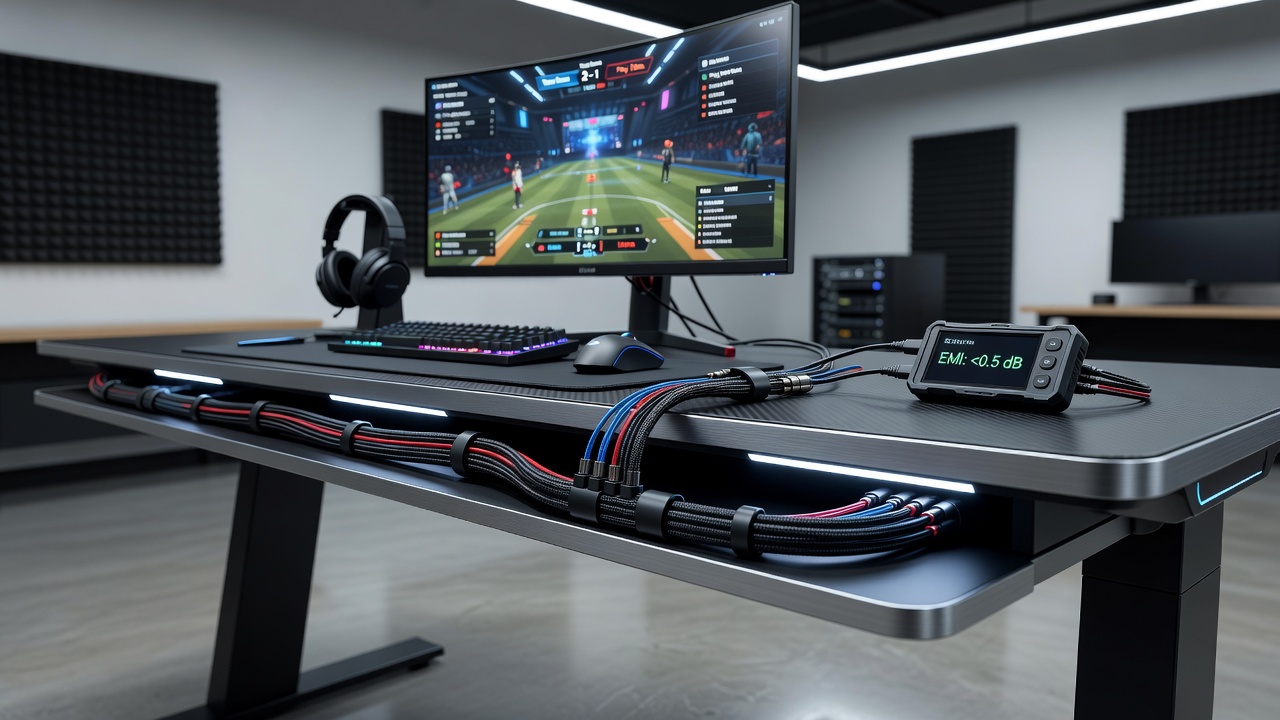
Professional esports environments depend on precise input from keyboards, mice, and headsets, yet electromagnetic interference often disrupts those signals when cables sit too …
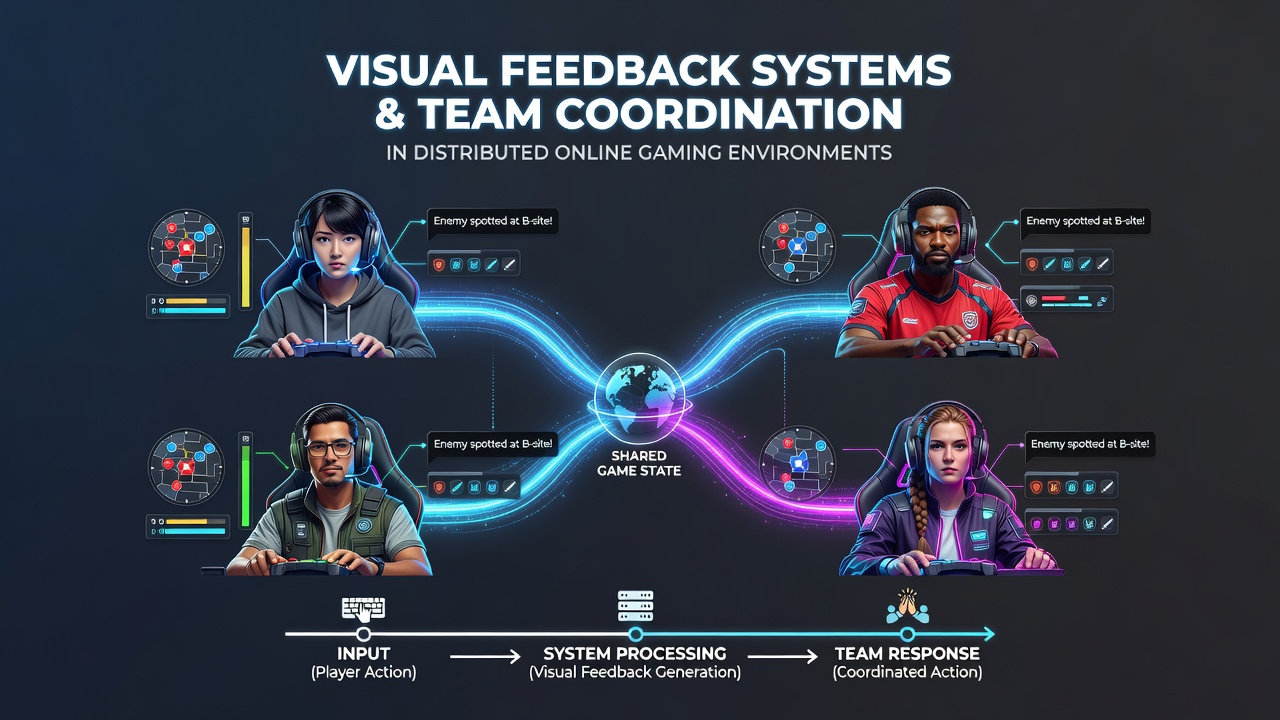
Visual feedback systems in distributed online gaming environments consist of real-time graphical overlays, status indicators, and spatial cues that transmit critical data across …
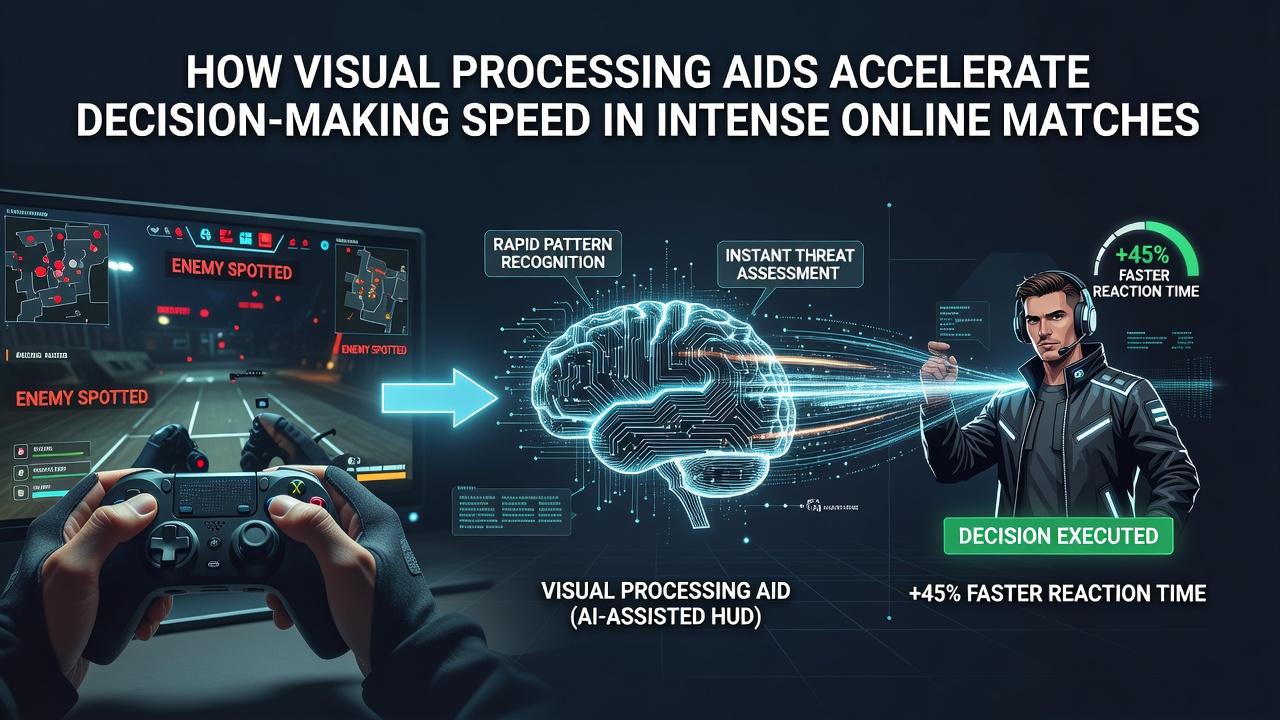
Competitive online matches demand rapid interpretation of on-screen information and visual processing aids provide tools that streamline how players detect and respond to key …
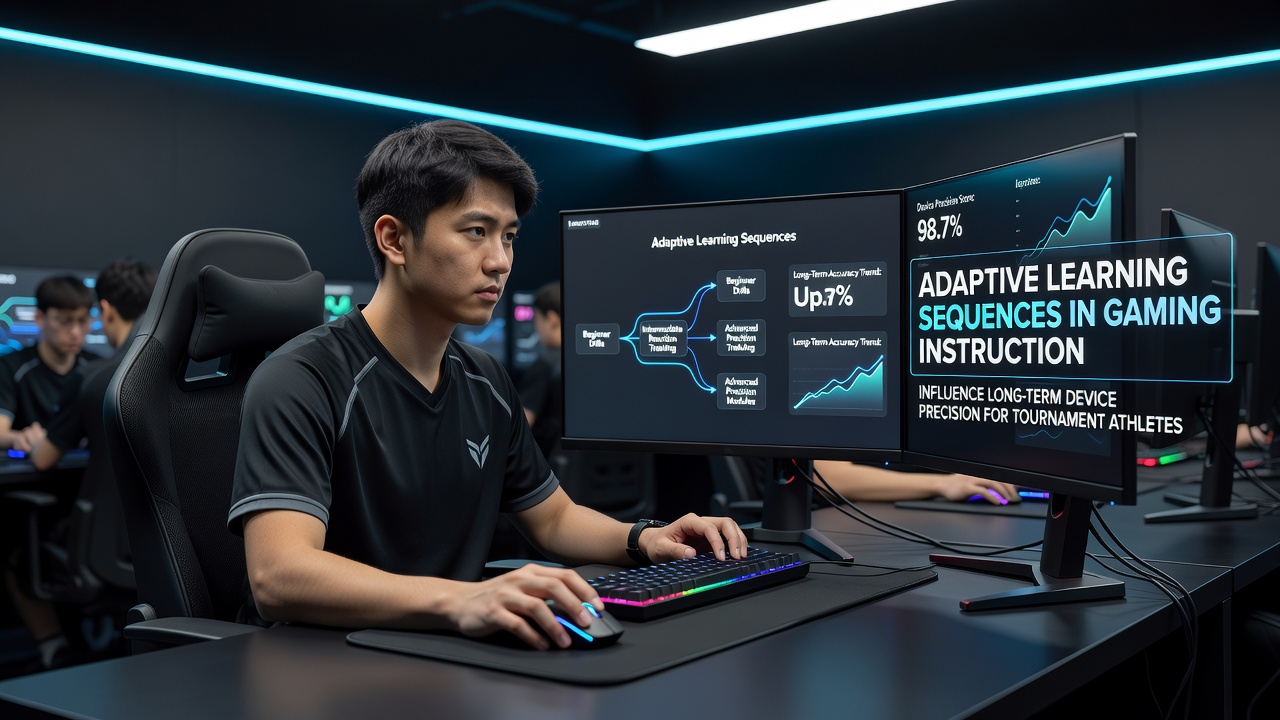
Adaptive learning sequences integrate real-time performance data into customized instruction paths that adjust difficulty and focus based on individual player metrics, and …
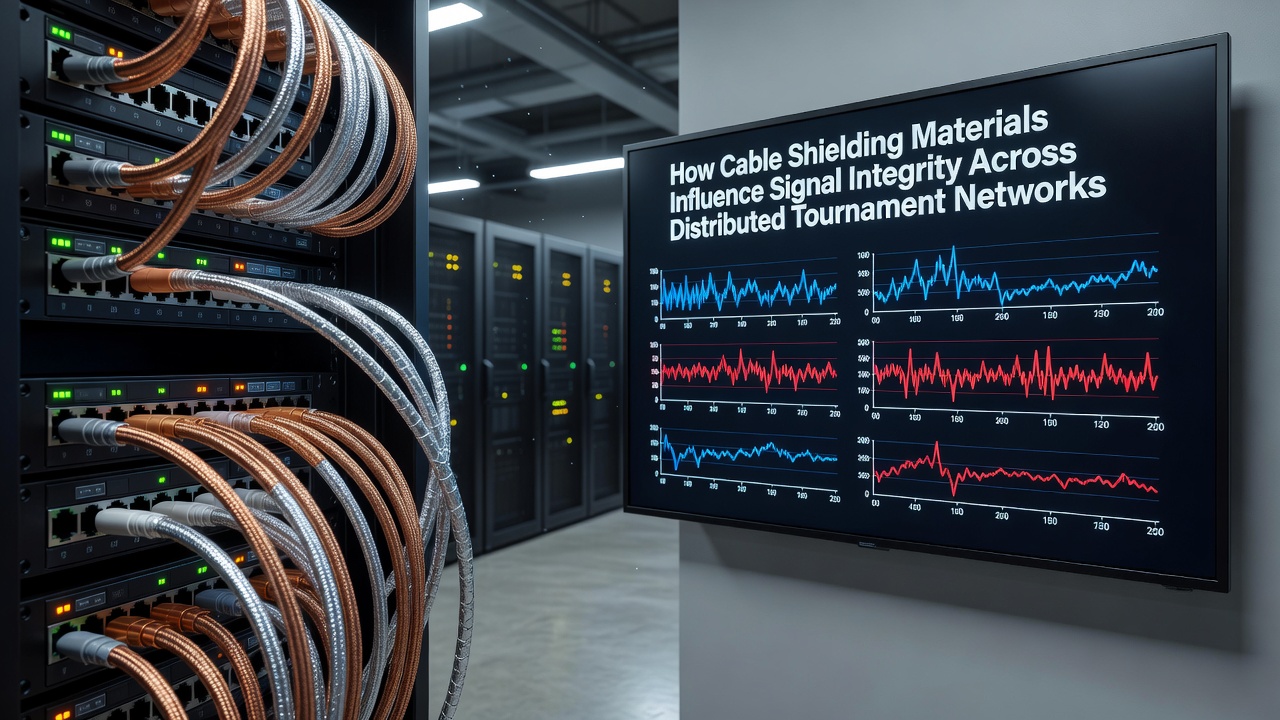
Distributed tournament networks rely on extensive cabling to connect multiple venues, player stations, and central servers during large-scale esports events, and shielding …
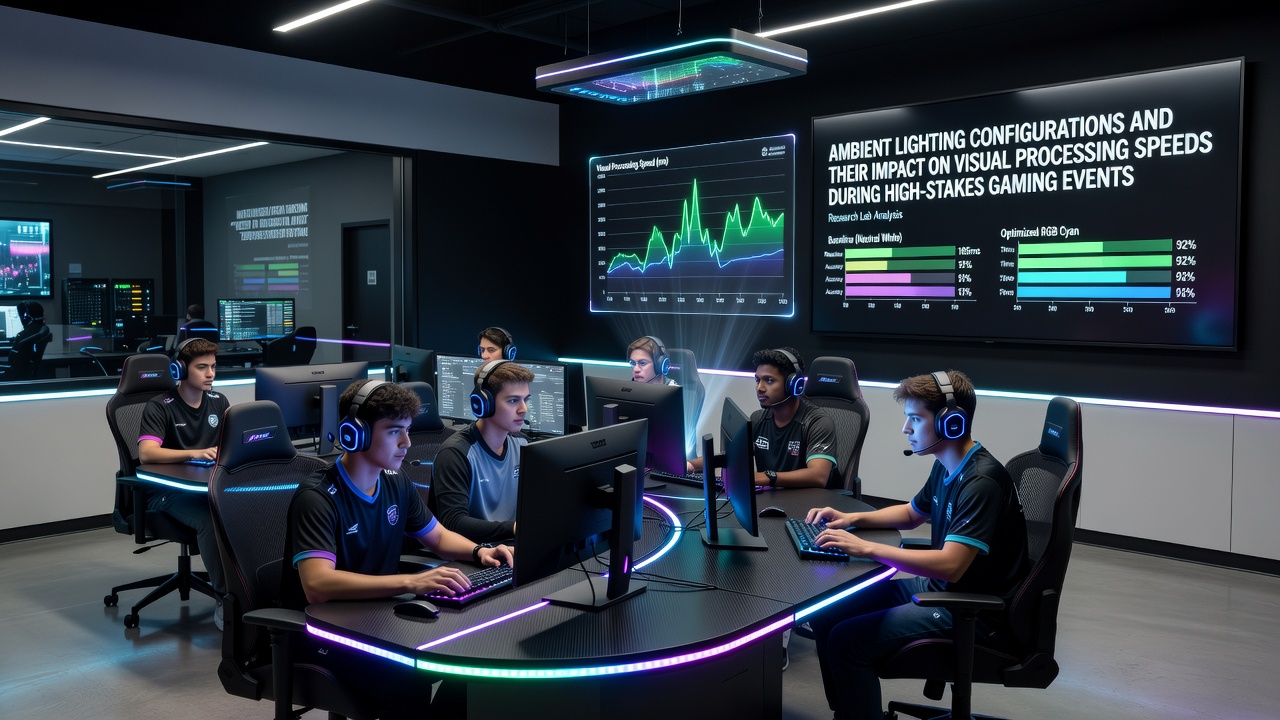
Ambient lighting configurations play a documented role in how players process visual information during competitive gaming sessions, and data from multiple studies continue to …
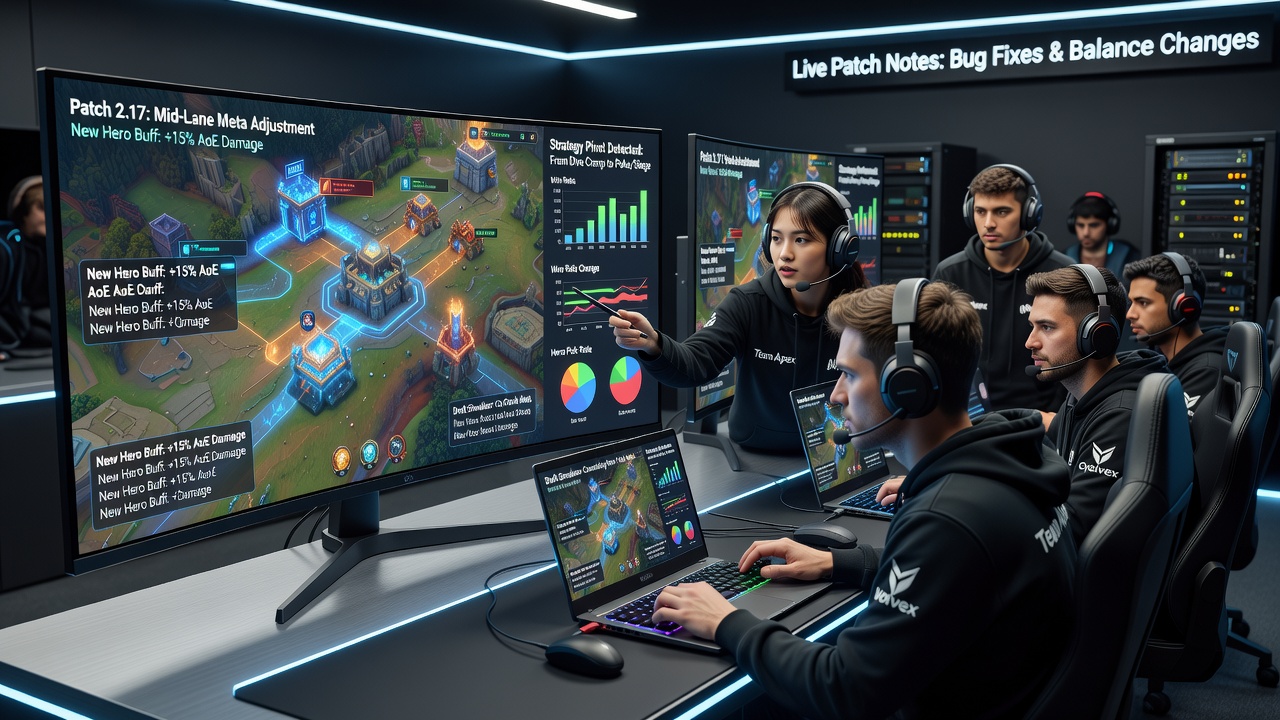
Competitive PC gaming circuits operate under constant evolution, and patch updates serve as primary catalysts for strategic realignment across multiple titles including real-time …
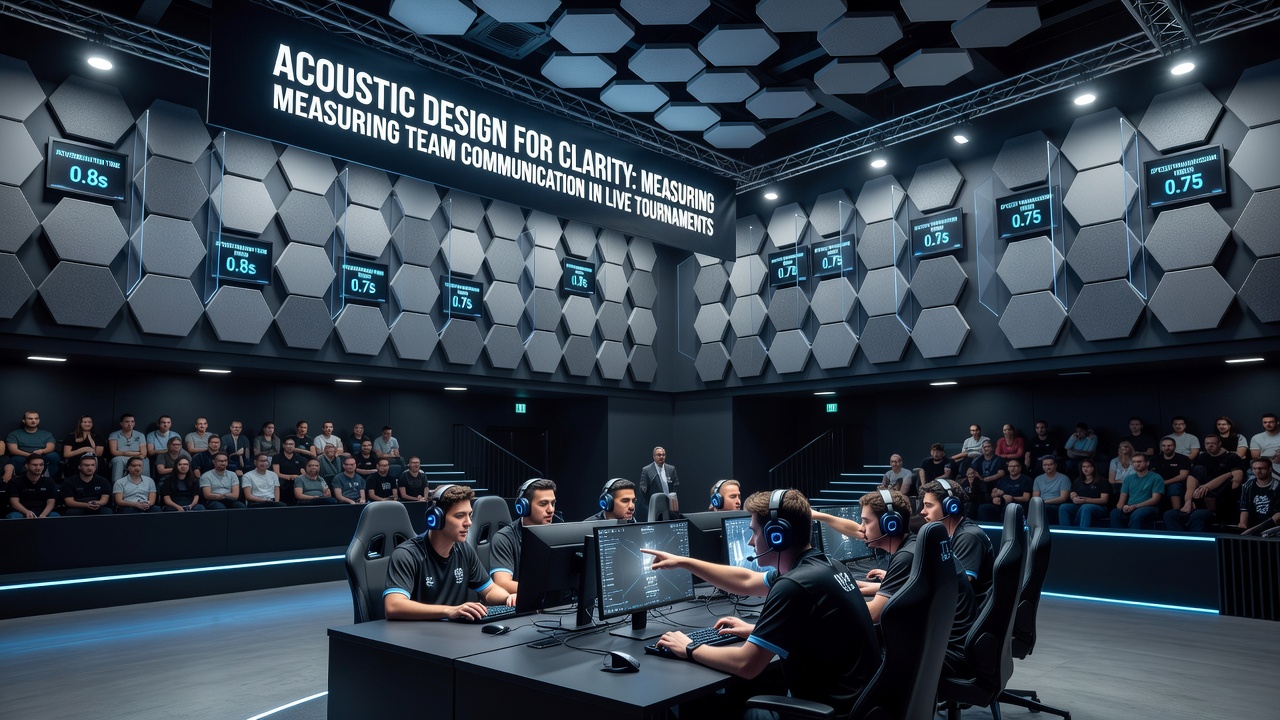
Acoustic design principles in tournament halls center on controlling reverberation time, directing sound reflections, and minimizing background noise to support clear team voice …
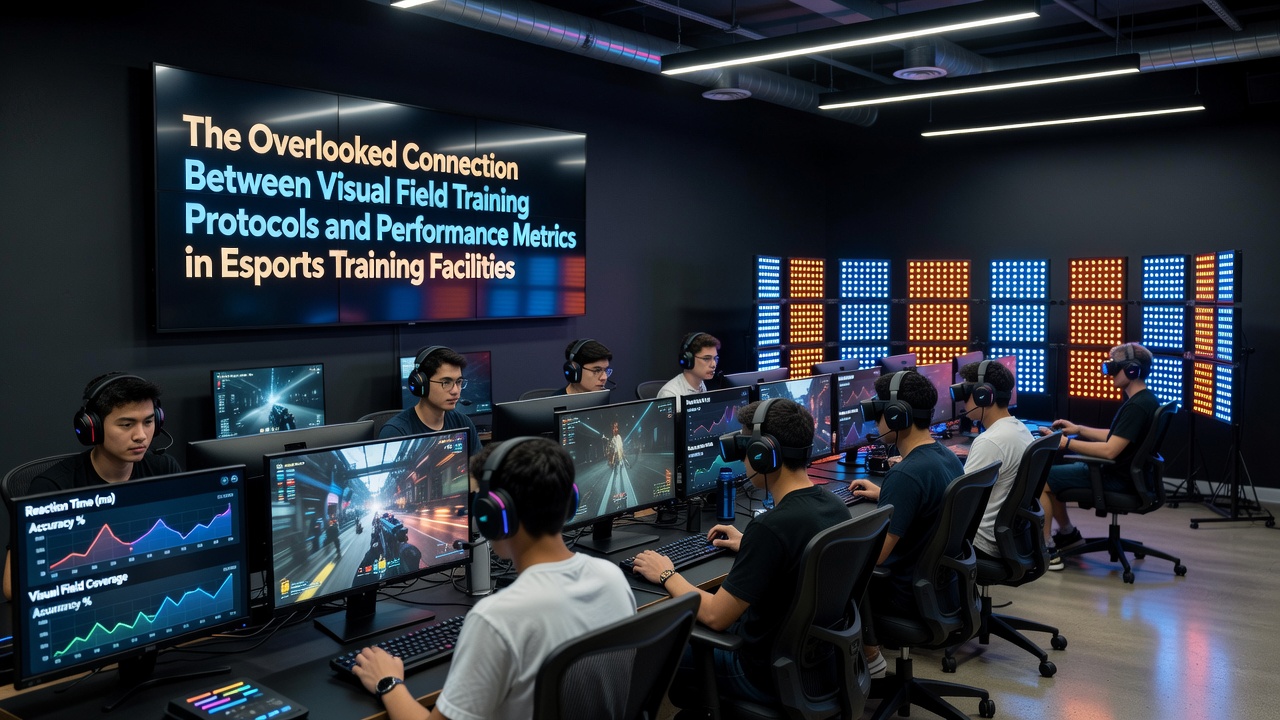
Training centers dedicated to esports have started incorporating visual field protocols that target peripheral awareness and rapid eye movement, and data from multiple sites shows …
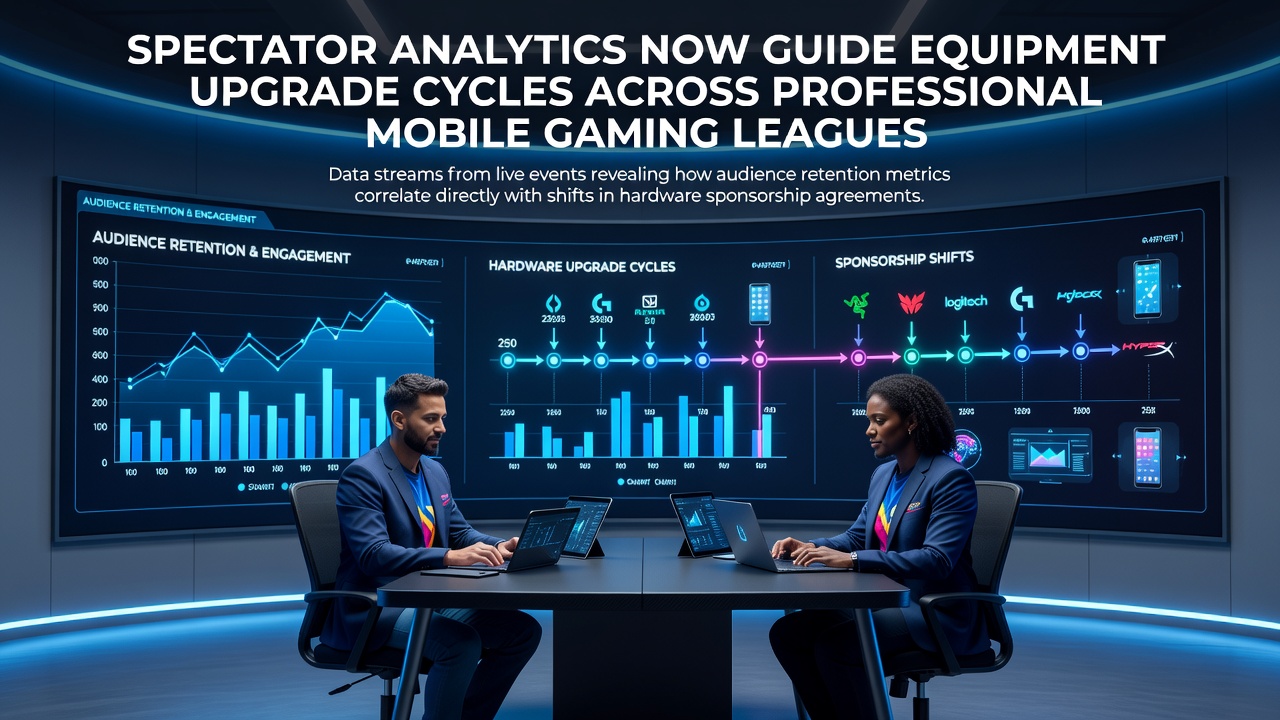
Live event data streams have begun directing equipment upgrade timelines across professional mobile gaming leagues, with audience retention figures showing direct ties to changes …
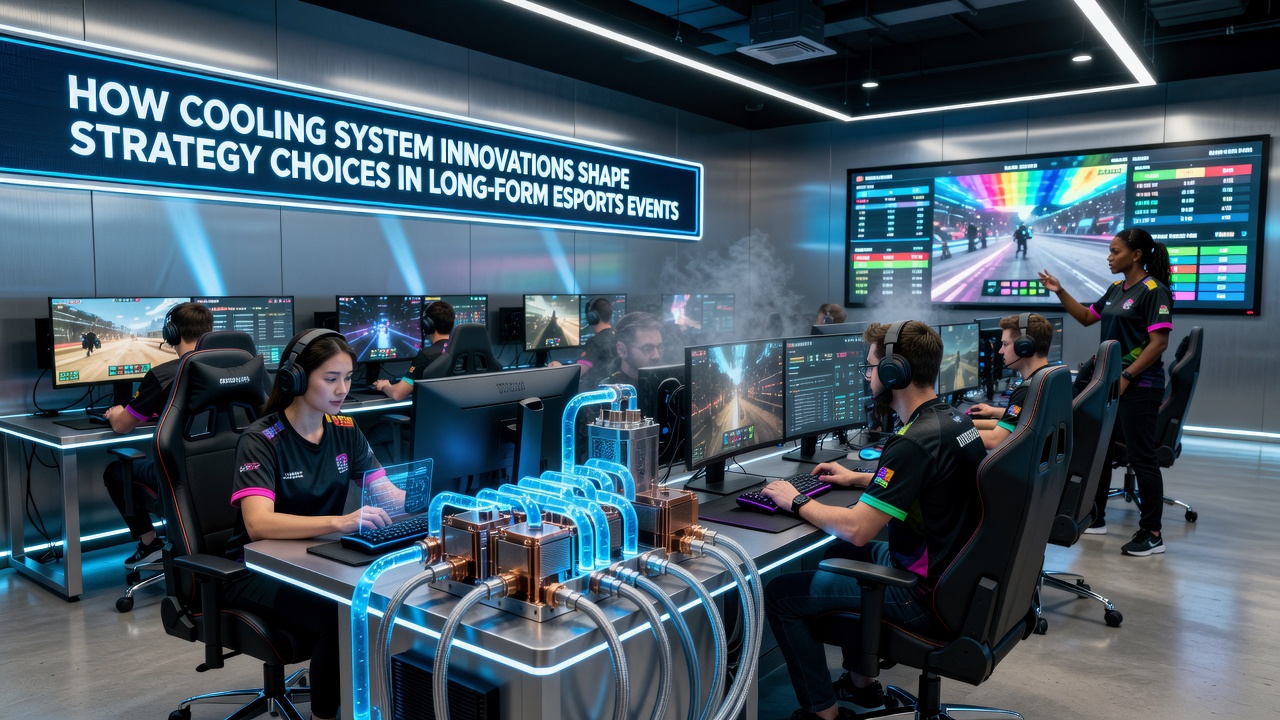
Long-form esports events stretch across multiple days and demand sustained performance from both players and hardware; cooling system innovations have begun altering how teams …
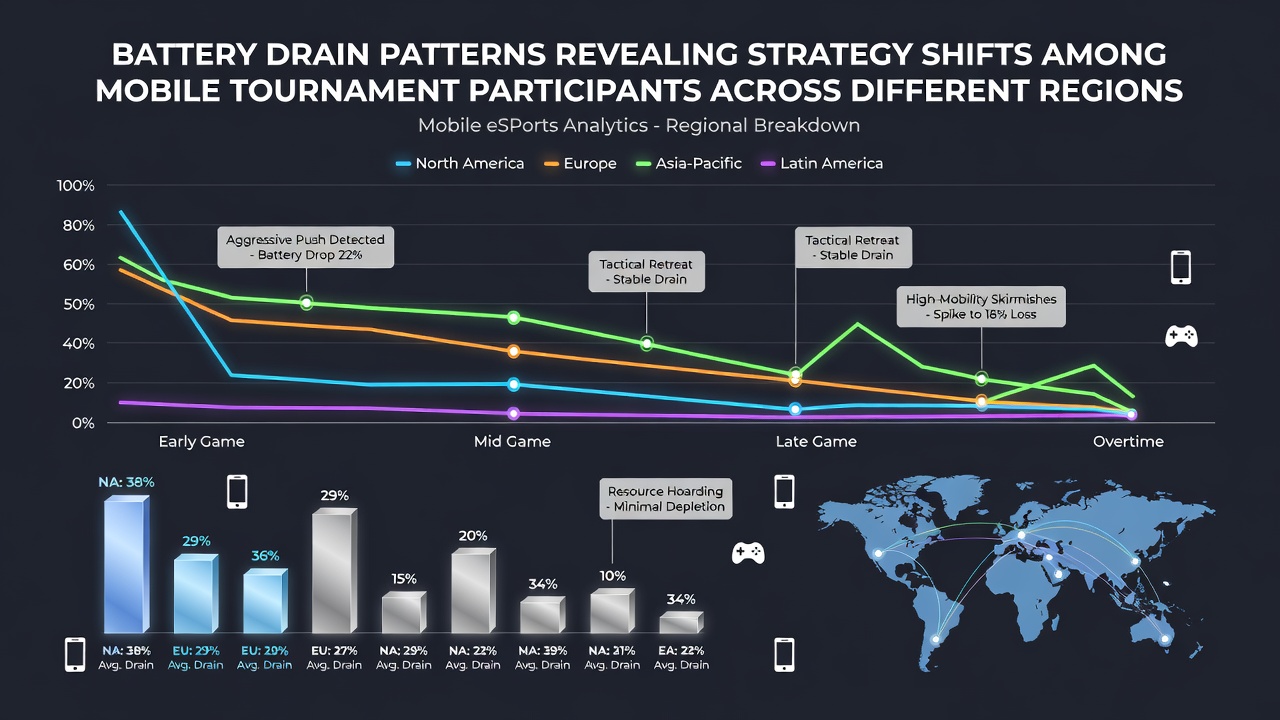
Analysts tracking mobile esports events have documented distinct battery consumption signatures that correlate with tactical adjustments in different parts of the world, and these …
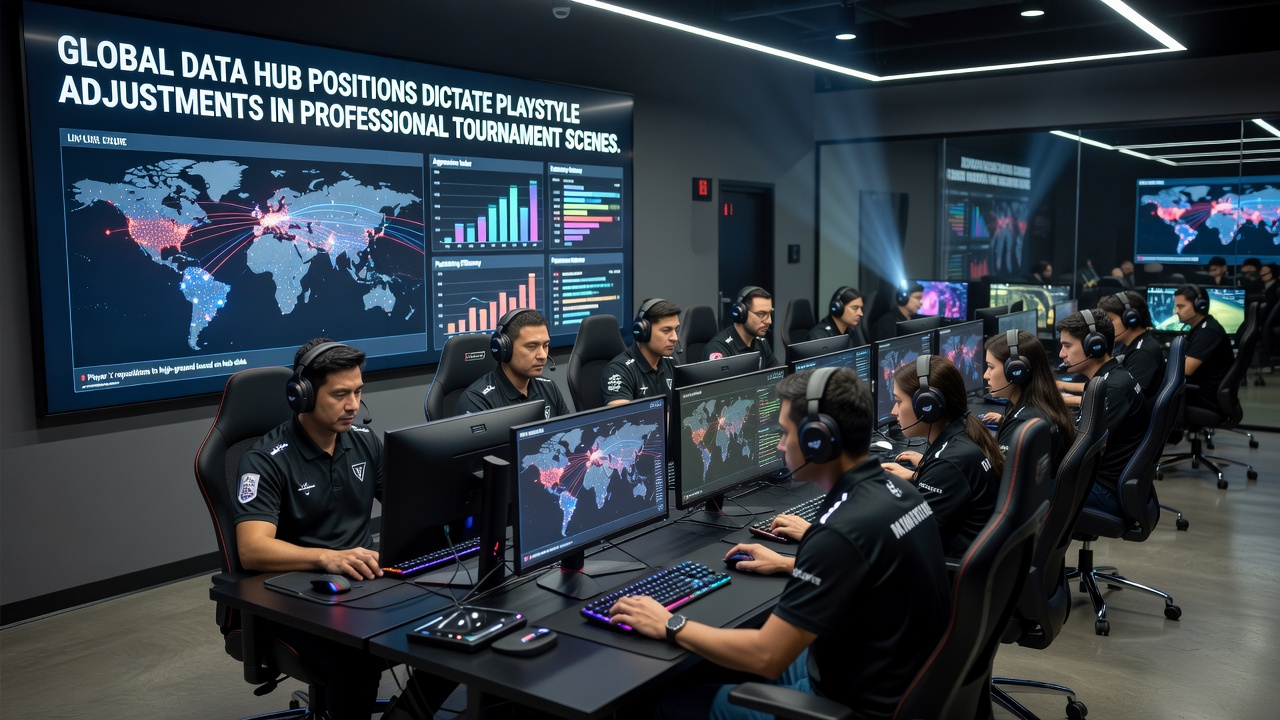
Global data hub positions have emerged as a decisive factor shaping how professional teams approach matches in major tournament circuits, with latency profiles varying sharply …
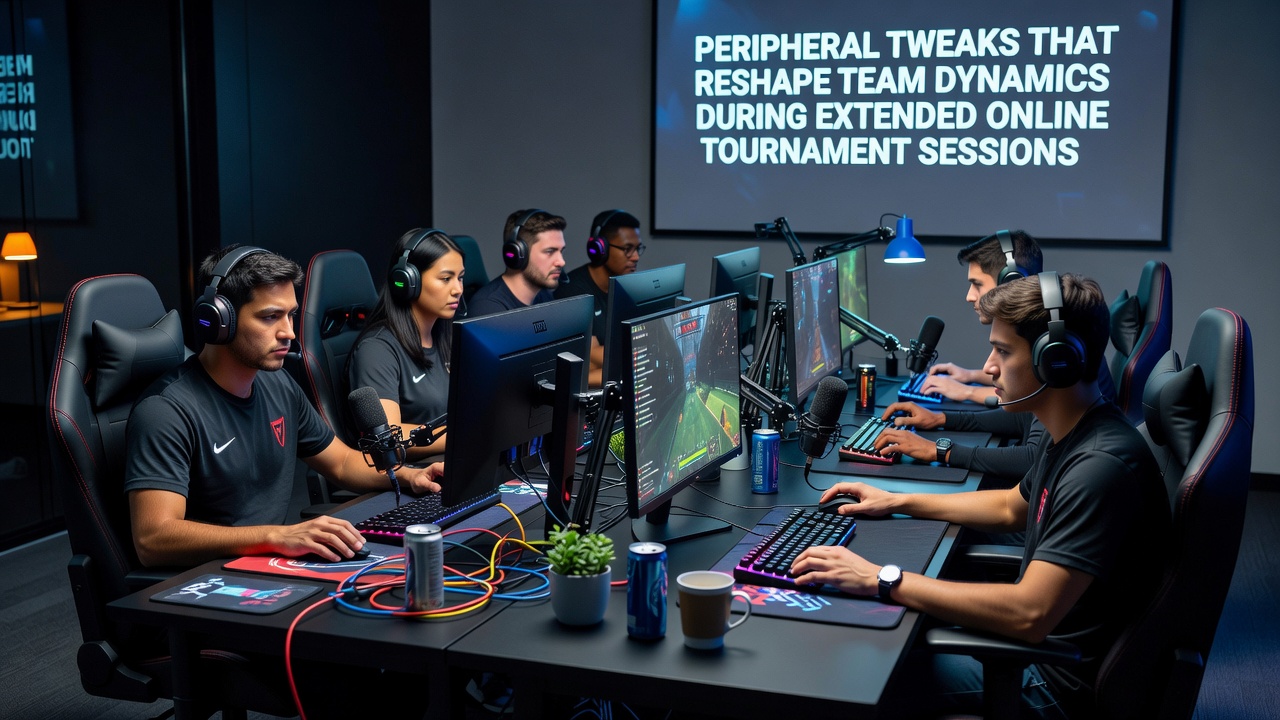
Teams competing in extended online tournaments often discover that small changes to input devices produce measurable shifts in coordination, and data collected across multiple …
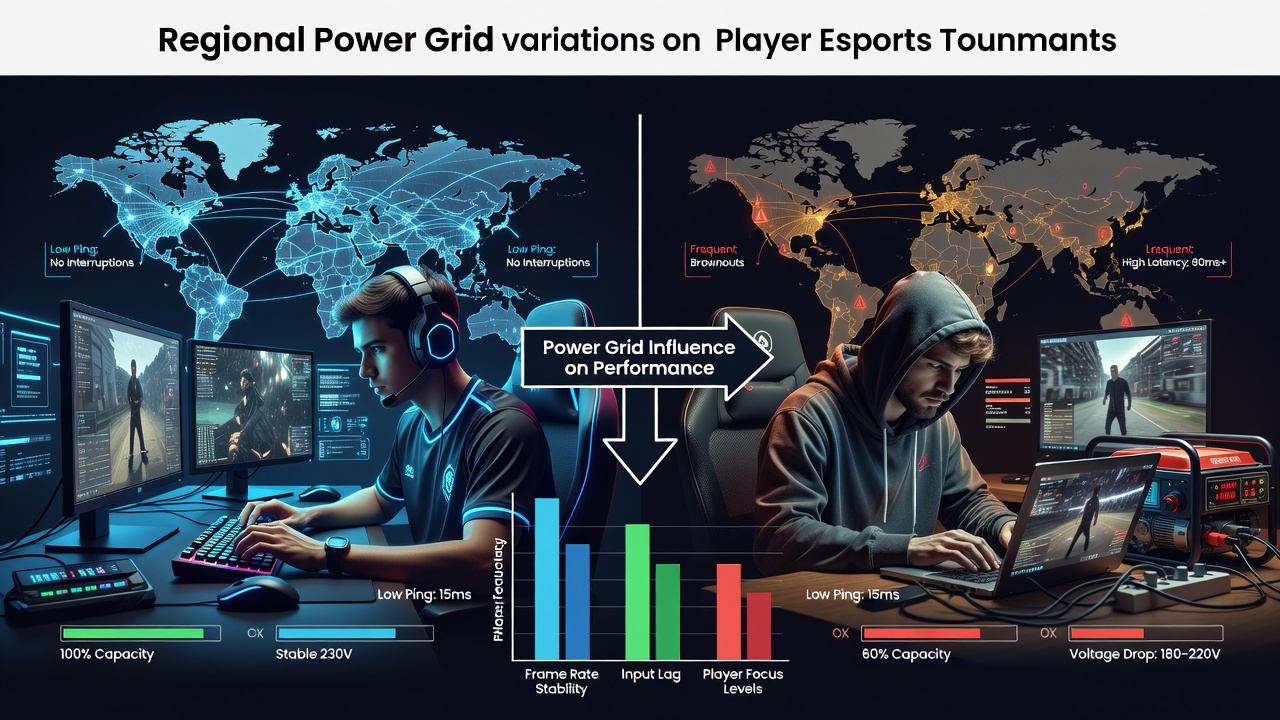
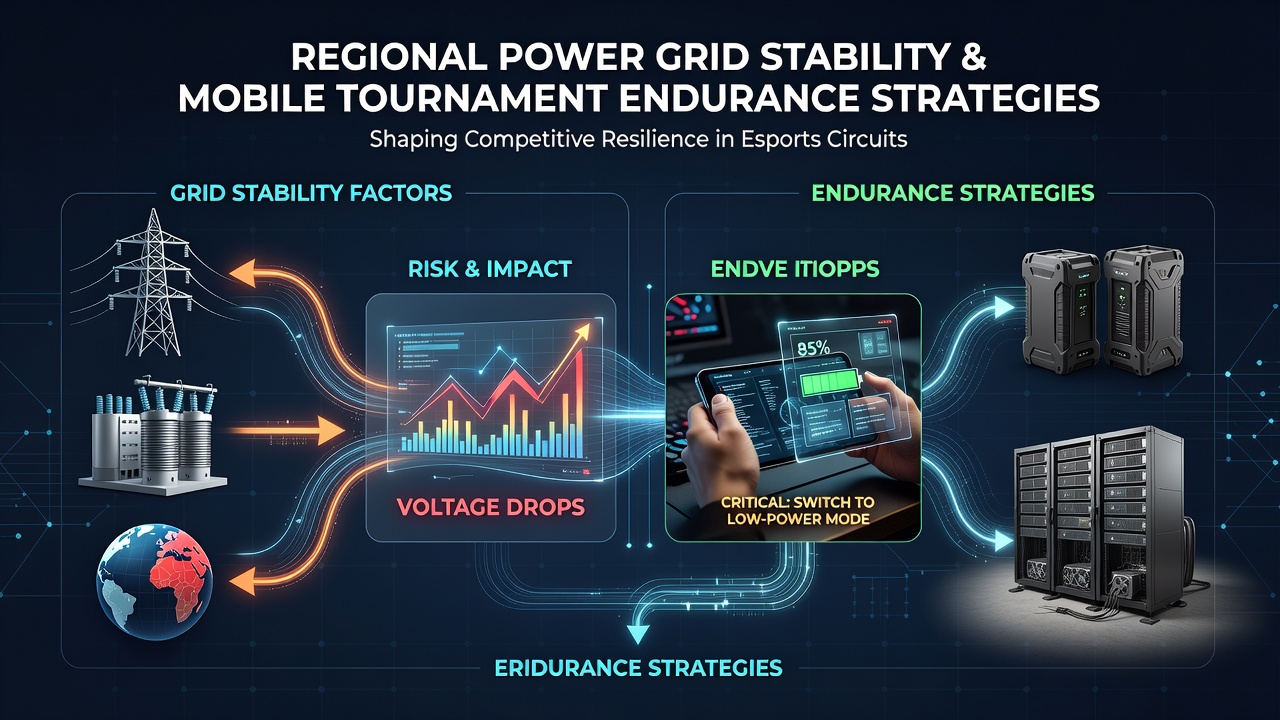
Power grid stability varies sharply from one continent to the next and these differences create measurable effects on how portable devices perform during esports events that rely …
Portable strategy matches rely on precise timing for moves in games that unfold on smartphones and tablets, and adaptive haptic feedback patterns have emerged as a factor that …
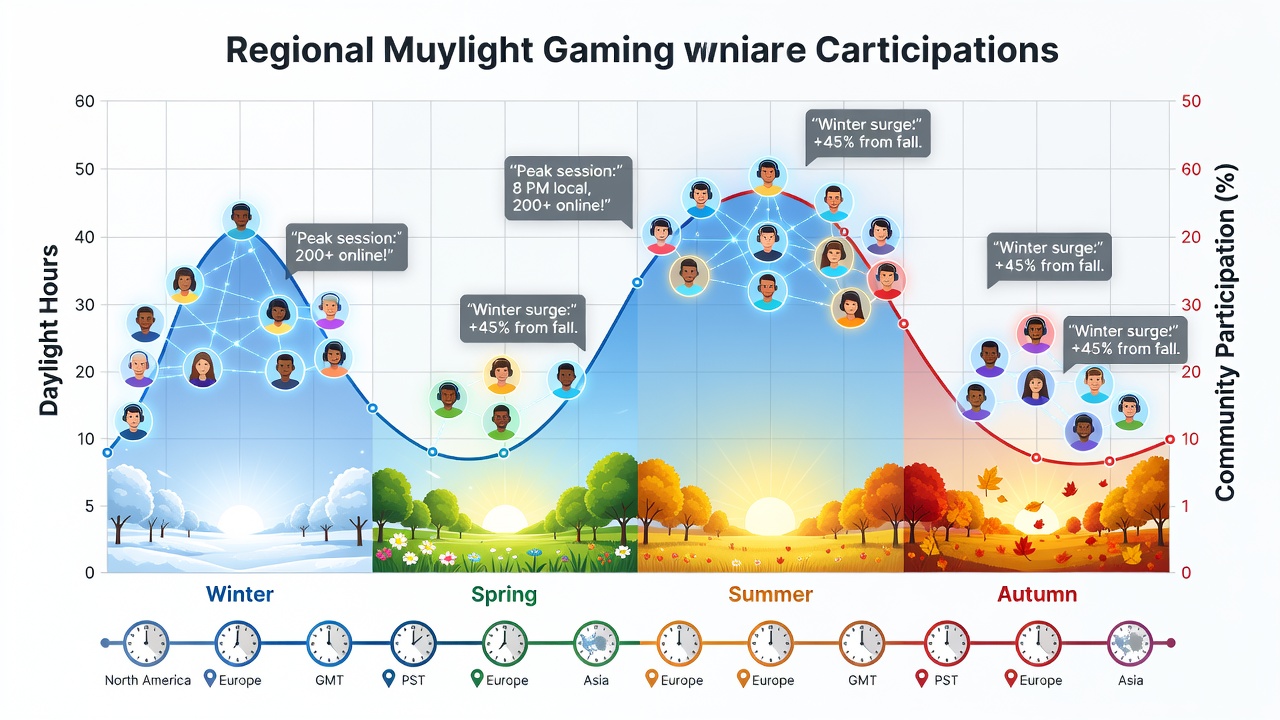
Seasonal changes in daylight duration create measurable shifts in how regional multiplayer gaming communities organize their play sessions and when participation numbers climb or …
International mobile gaming competitions have grown in scale and duration over recent years, with events often stretching across multiple days and requiring participants to …
Regional cultural preferences continue to guide game selection patterns in global mobile gaming leagues, with data from mid-2026 showing distinct trends across continents. …
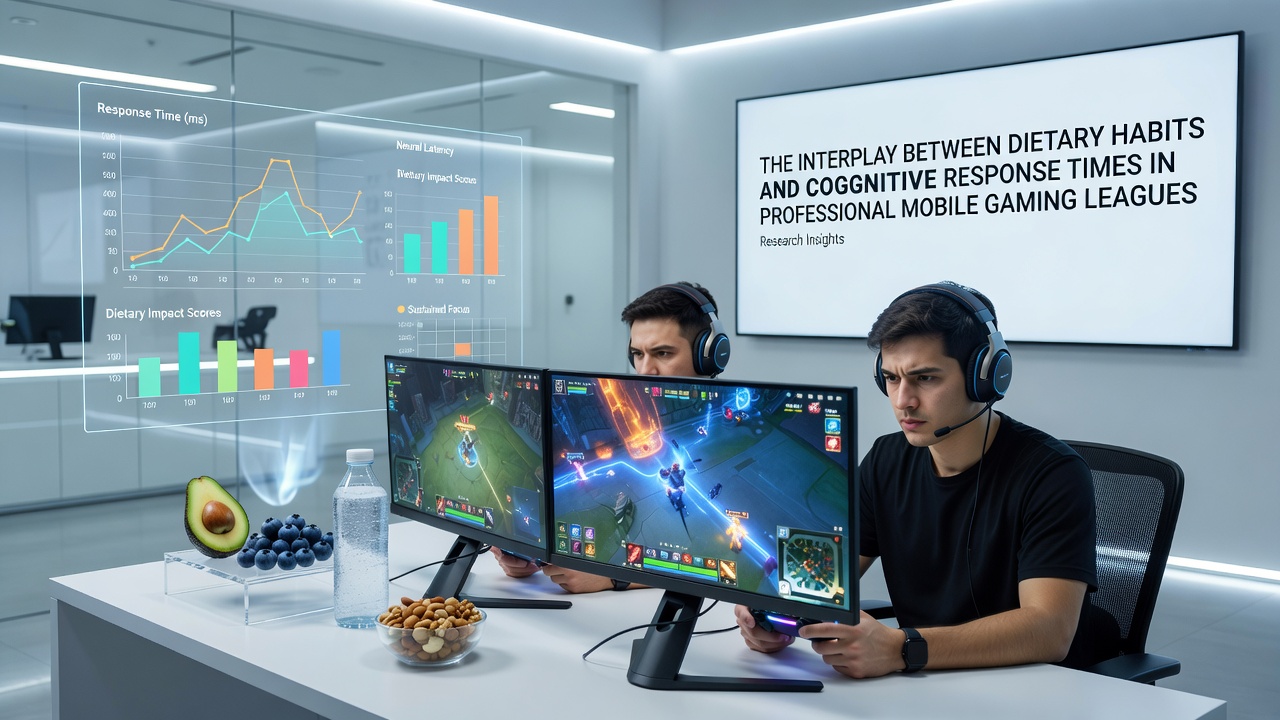
Professional mobile gaming leagues have expanded rapidly in recent years, and researchers have begun examining how everyday dietary patterns intersect with the split-second …
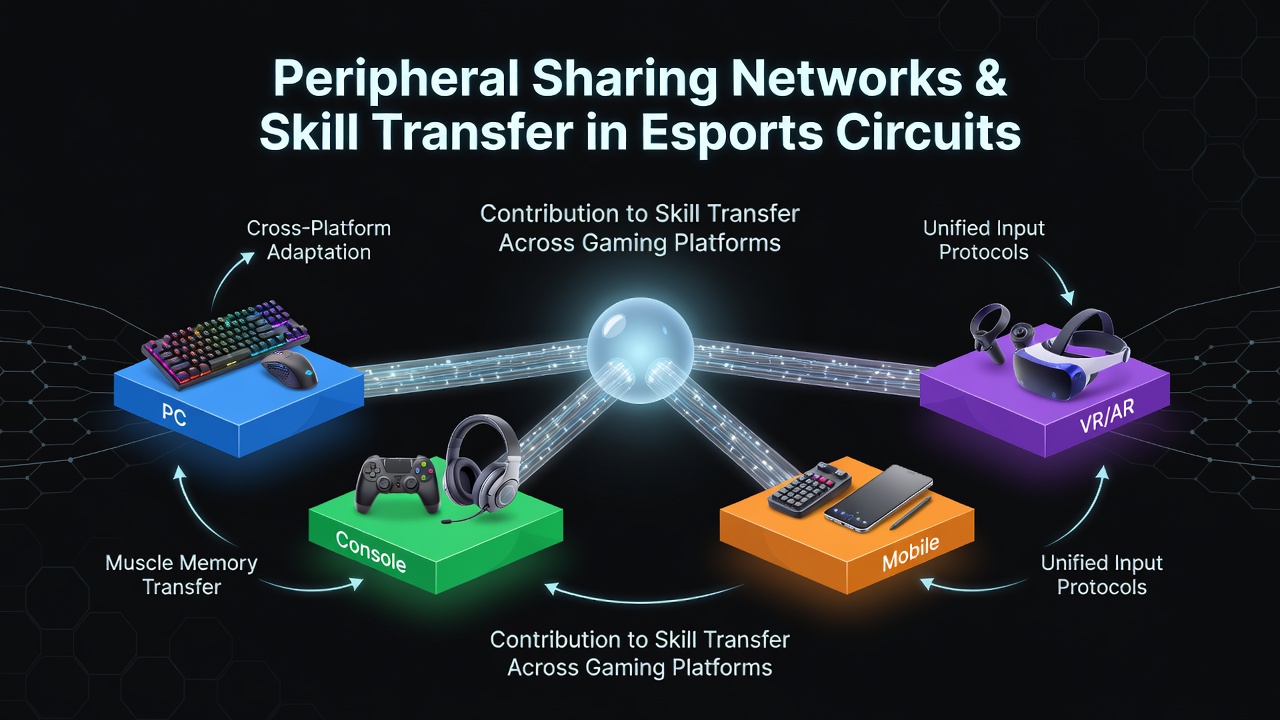
Peripheral sharing networks allow competitors to connect input devices like controllers, mice, and keyboards across multiple hardware platforms through centralized hubs and …
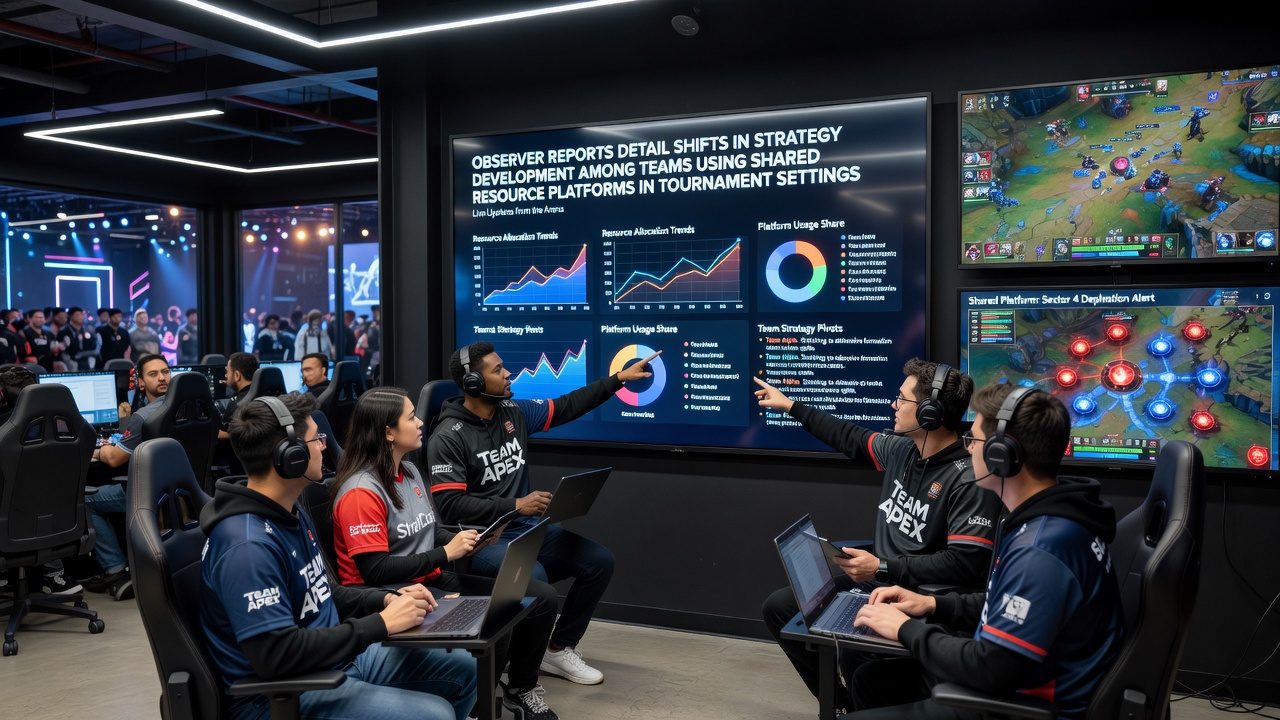
Observer reports from multiple international esports circuits detail how teams adapt strategy development when they depend on shared resource platforms during tournament play, and …
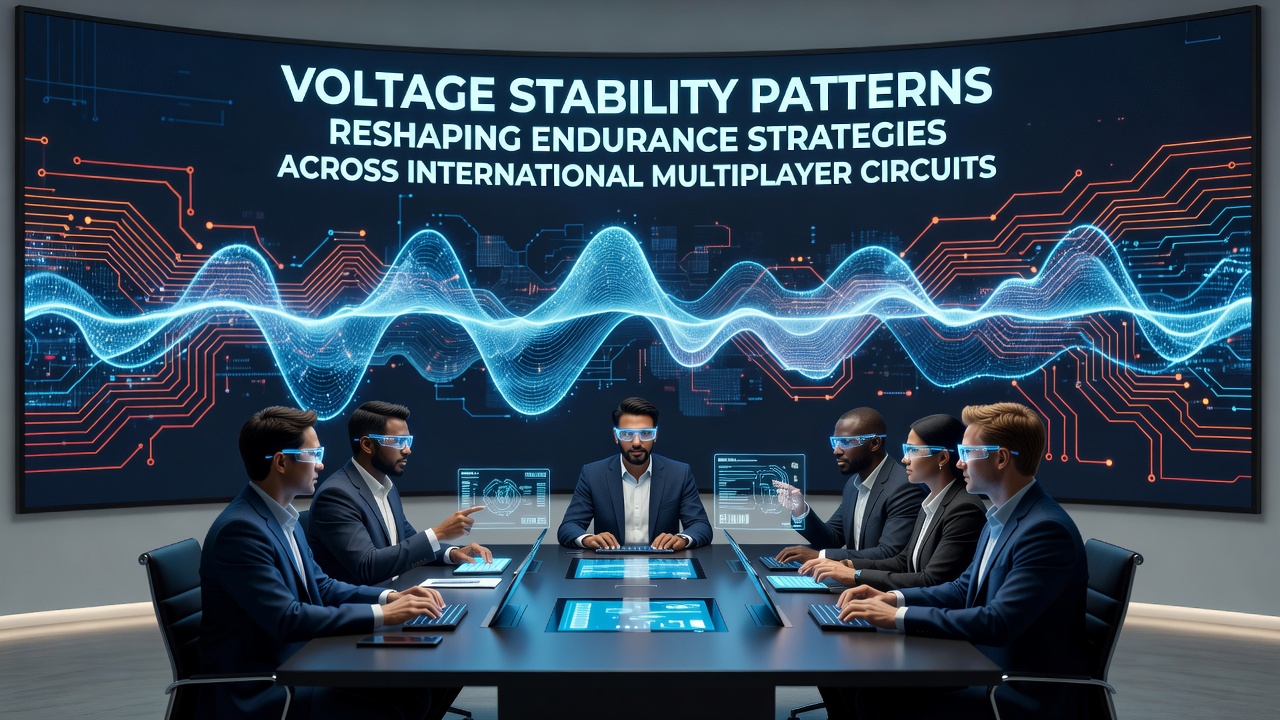
International multiplayer circuits have seen voltage stability patterns emerge as a decisive factor in how competitors manage physical and mental endurance during prolonged events, …
Power grid reliability varies widely across continents and this variation directly affects how competitors in mobile esports circuits prepare for long-duration events, with data …
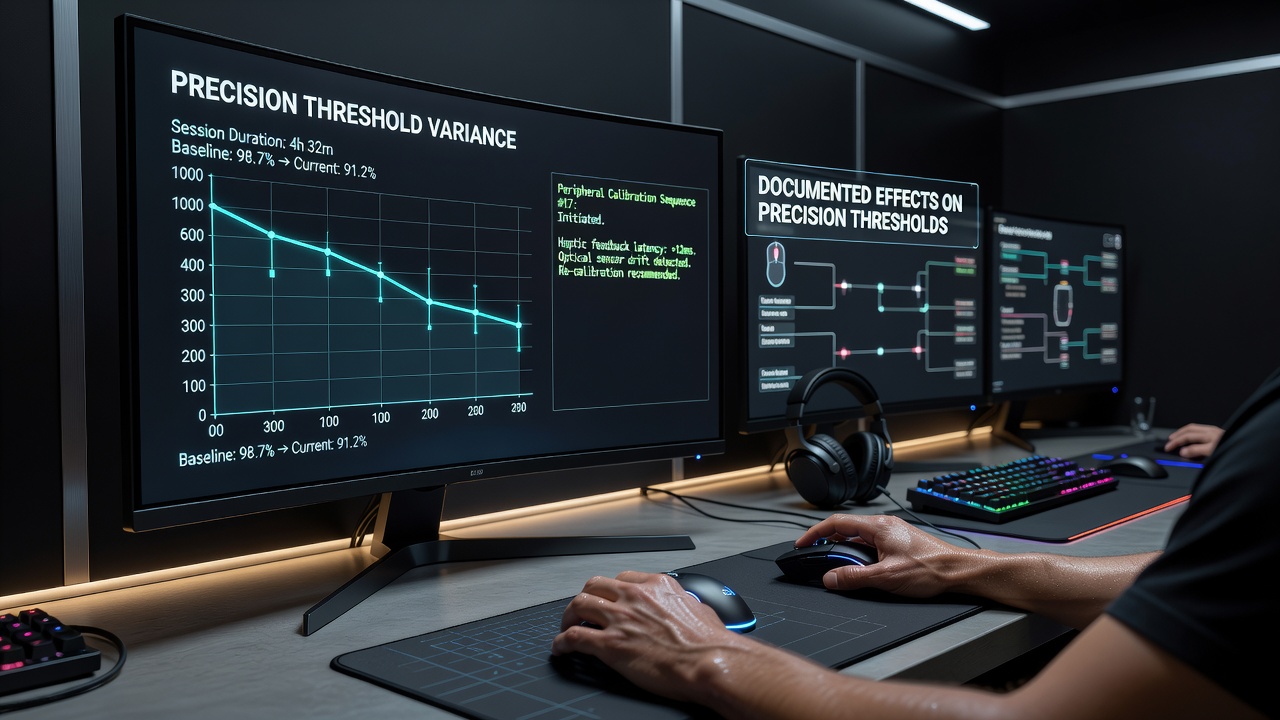
Peripheral calibration sequences involve systematic adjustments to input devices such as mice, keyboards, and controllers to align sensor responses with user expectations, and …
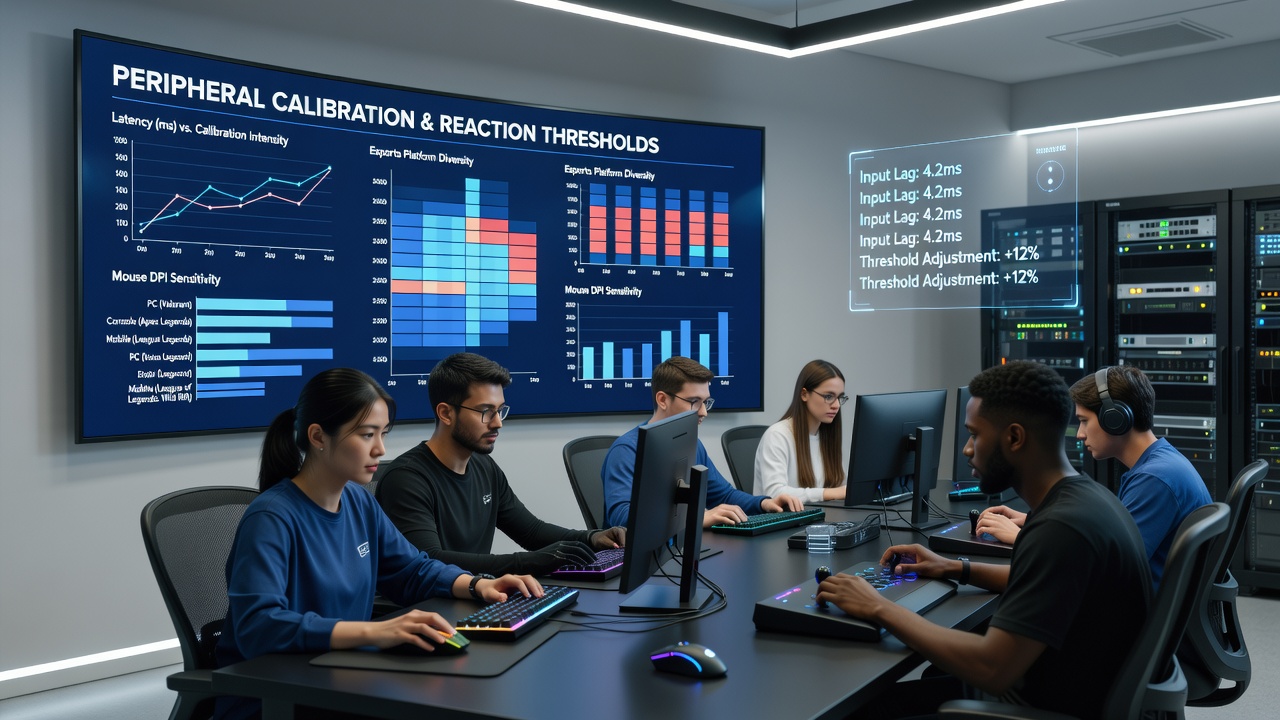
Peripheral calibration techniques have gained attention across esports platforms because they directly shape how players register and respond to in-game events through adjusted …
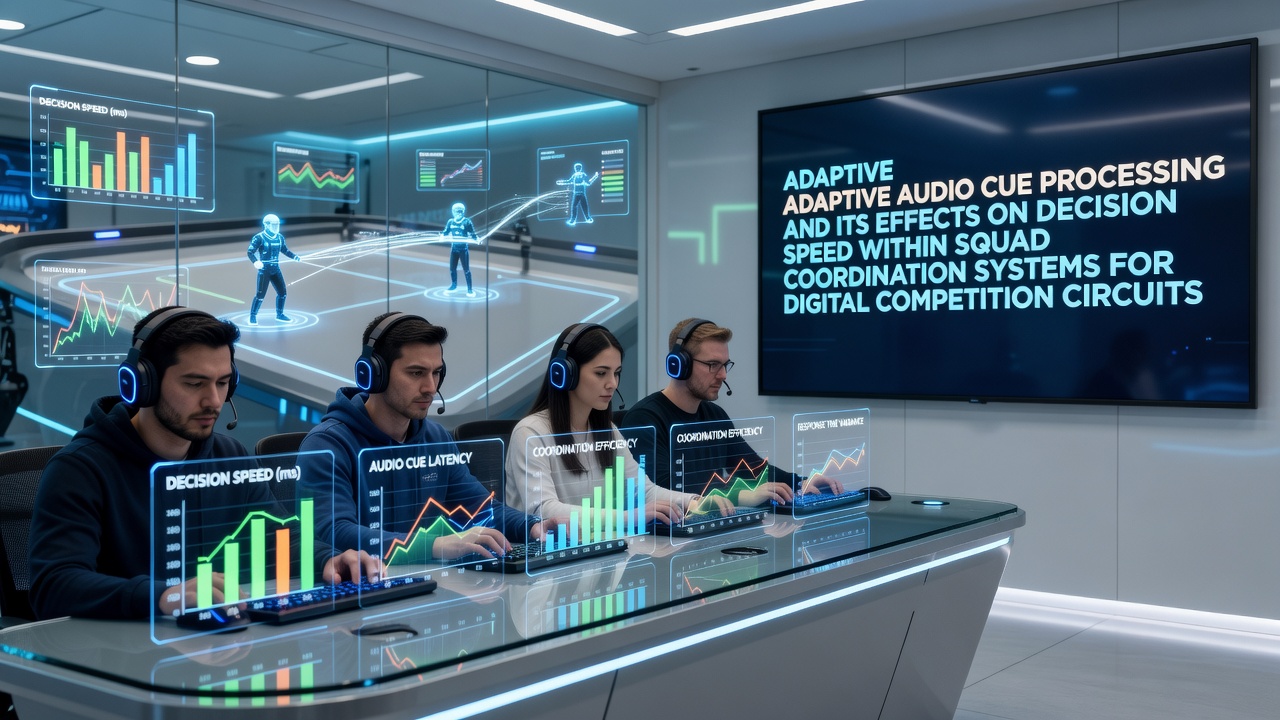
Adaptive audio cue processing refers to systems that dynamically adjust sound signals in real time based on player positions, environmental variables, and team communication …
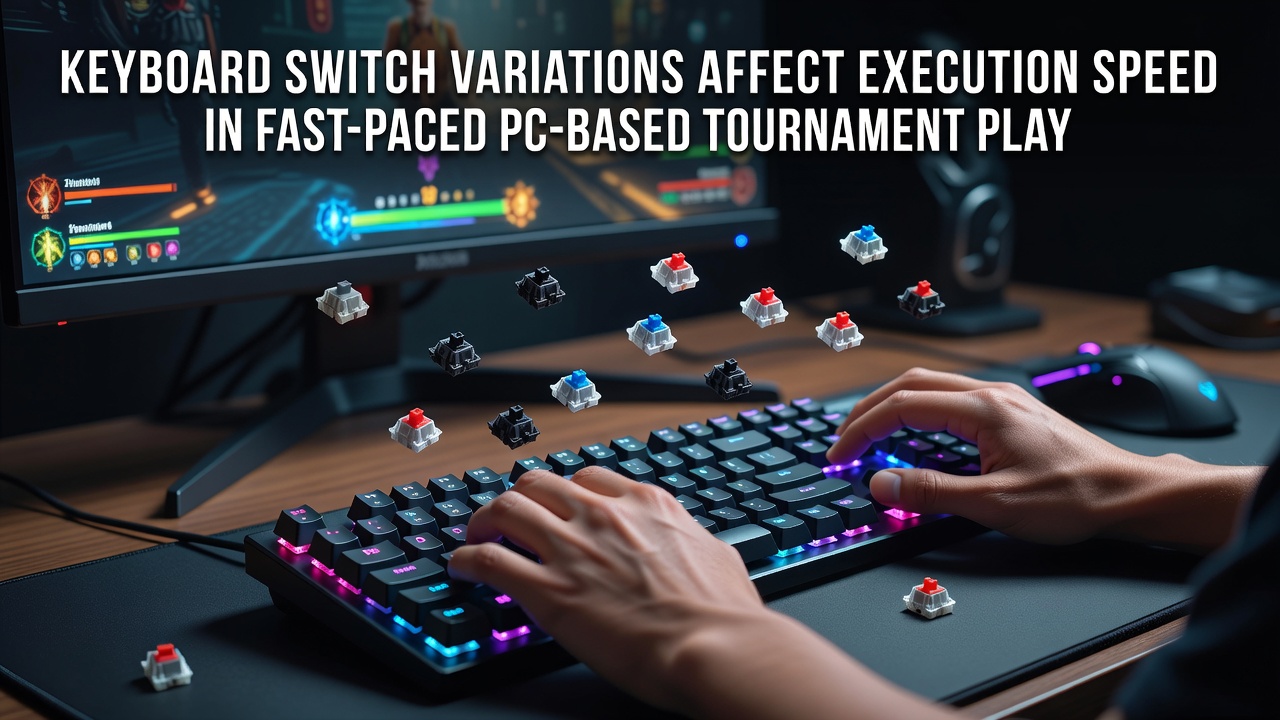
Mechanical keyboard switches come in several distinct categories that directly shape how quickly players register inputs during intense PC-based tournaments, and researchers …
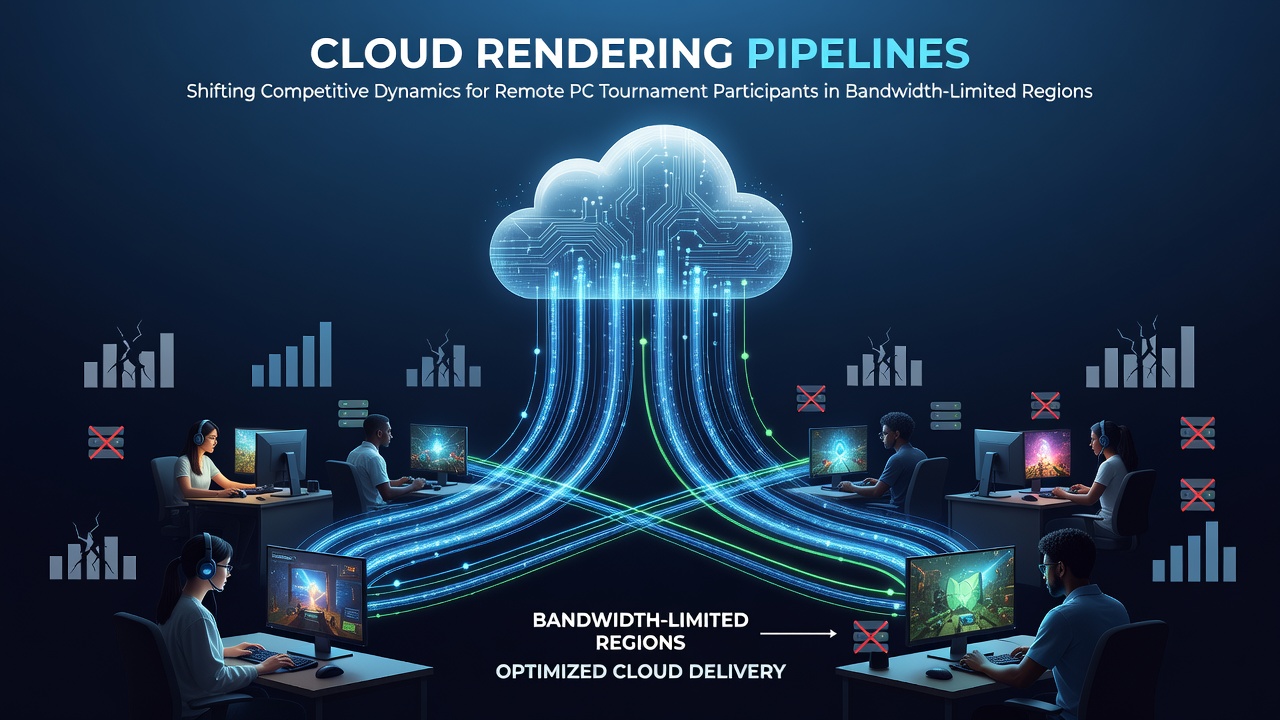
Cloud rendering pipelines have begun altering how participants in remote PC tournaments handle graphics processing demands especially in areas where bandwidth remains constrained …
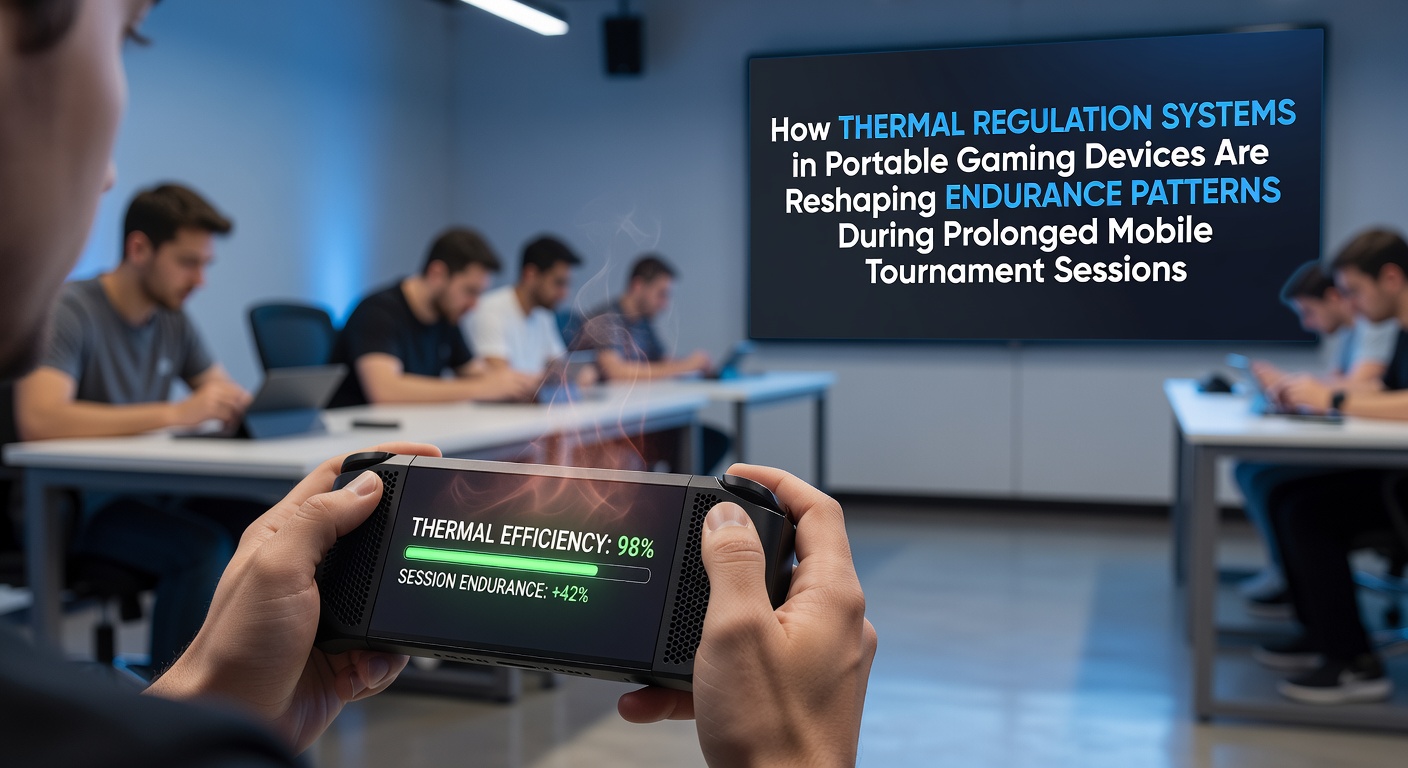
Portable gaming devices now incorporate sophisticated thermal regulation systems that combine vapor chambers, graphite sheets, and in some models miniature fans or liquid cooling …
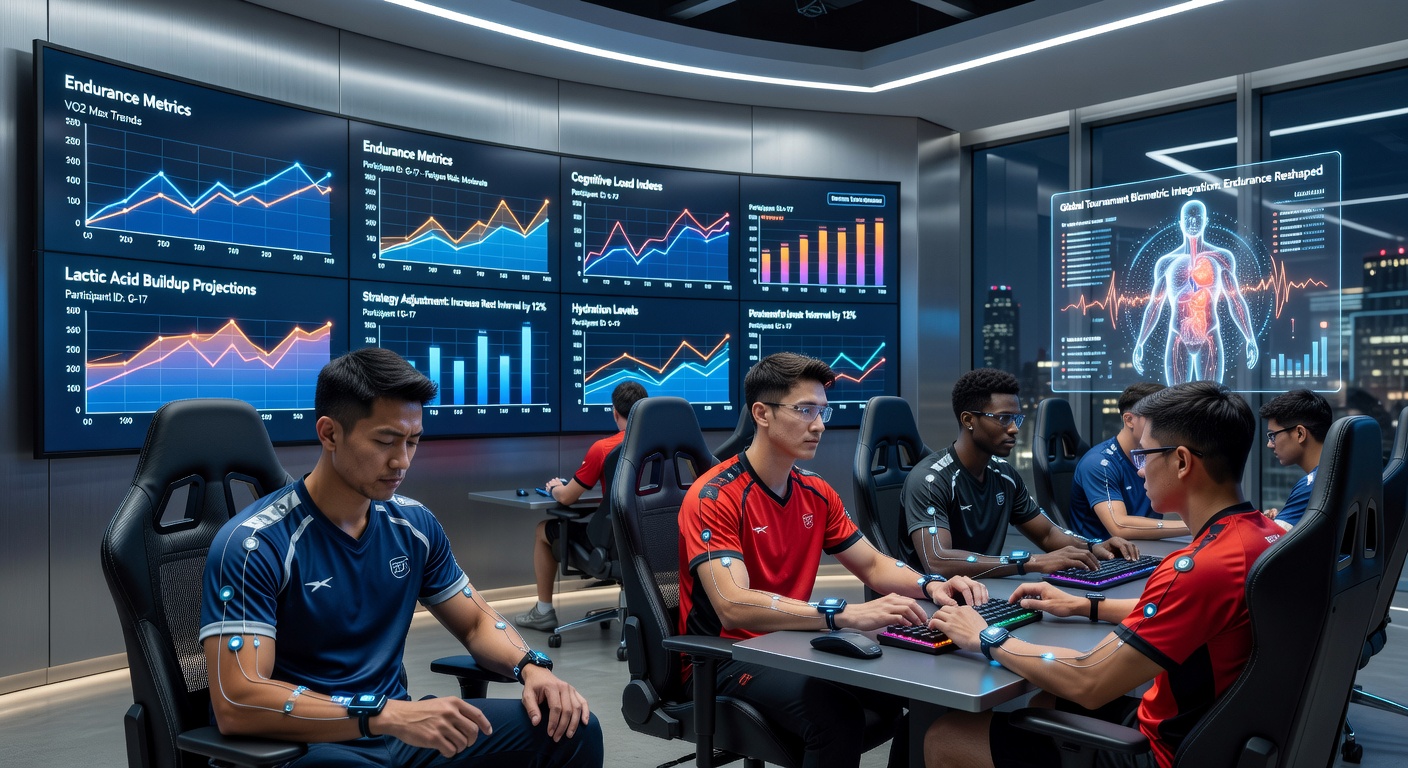
Global tournament circuits have incorporated biometric feedback systems at an accelerating pace since early 2025, and data from major events shows participants adjusting rest …
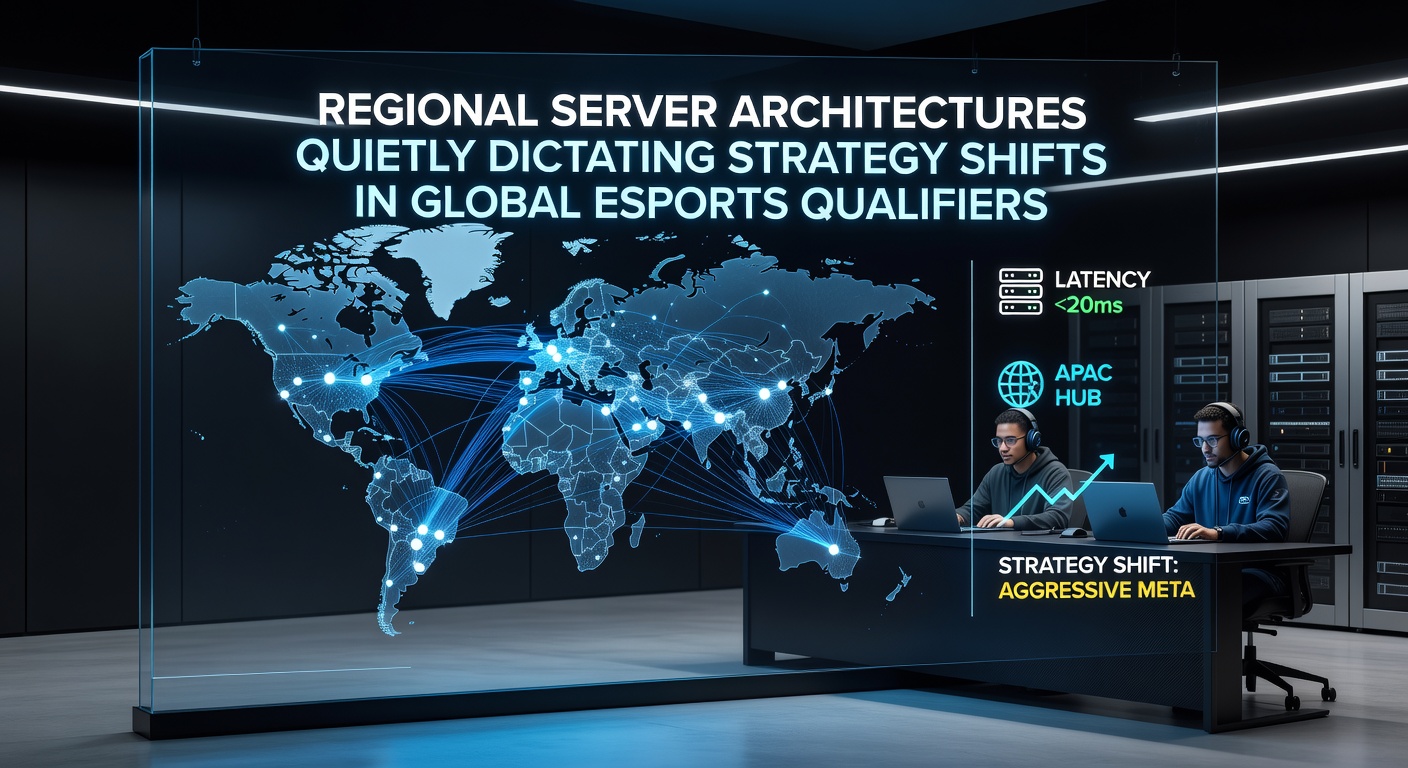
Regional server architectures have started reshaping how teams prepare for and execute strategies in global esports qualifiers, with data centers positioned in specific geographic …
Regional mobile esports leagues have seen firmware updates emerge as a central factor in how input signals travel from screen to processor and onward to game servers, and observers …
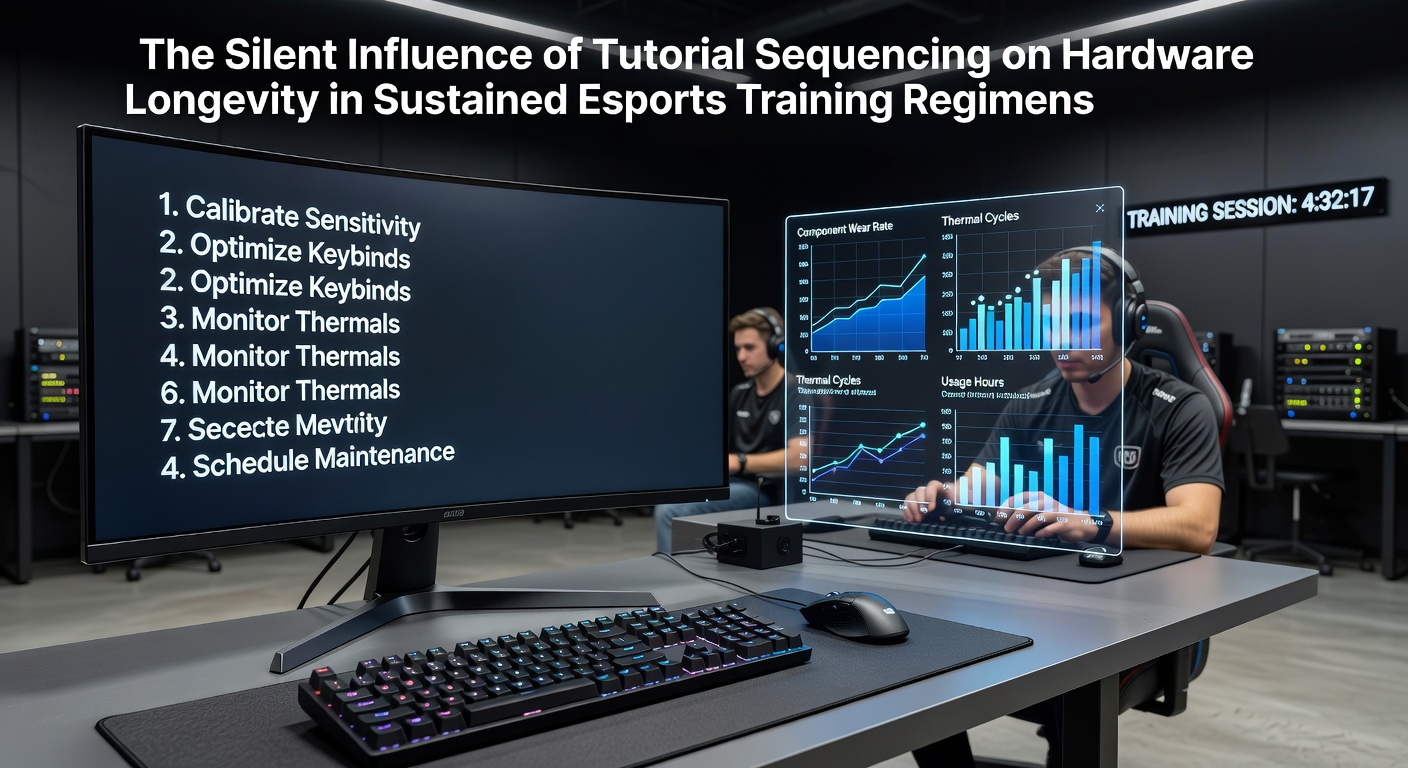
Training regimens in competitive gaming often begin with tutorial modules that introduce mechanics, controls, and strategies in particular orders, and this arrangement influences …
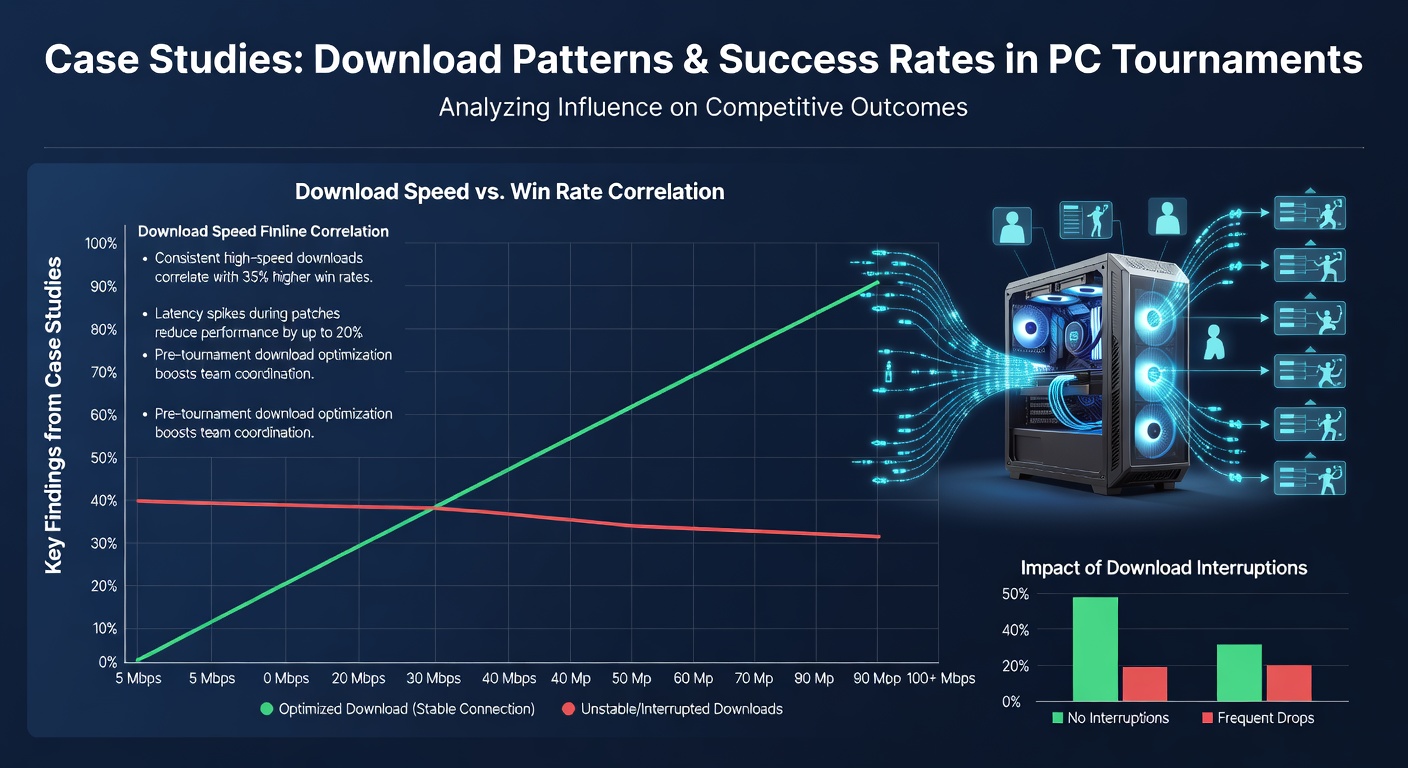
Download patterns among competitors in PC-based online tournaments create measurable differences in preparation time and system stability that directly shape outcomes, according to …
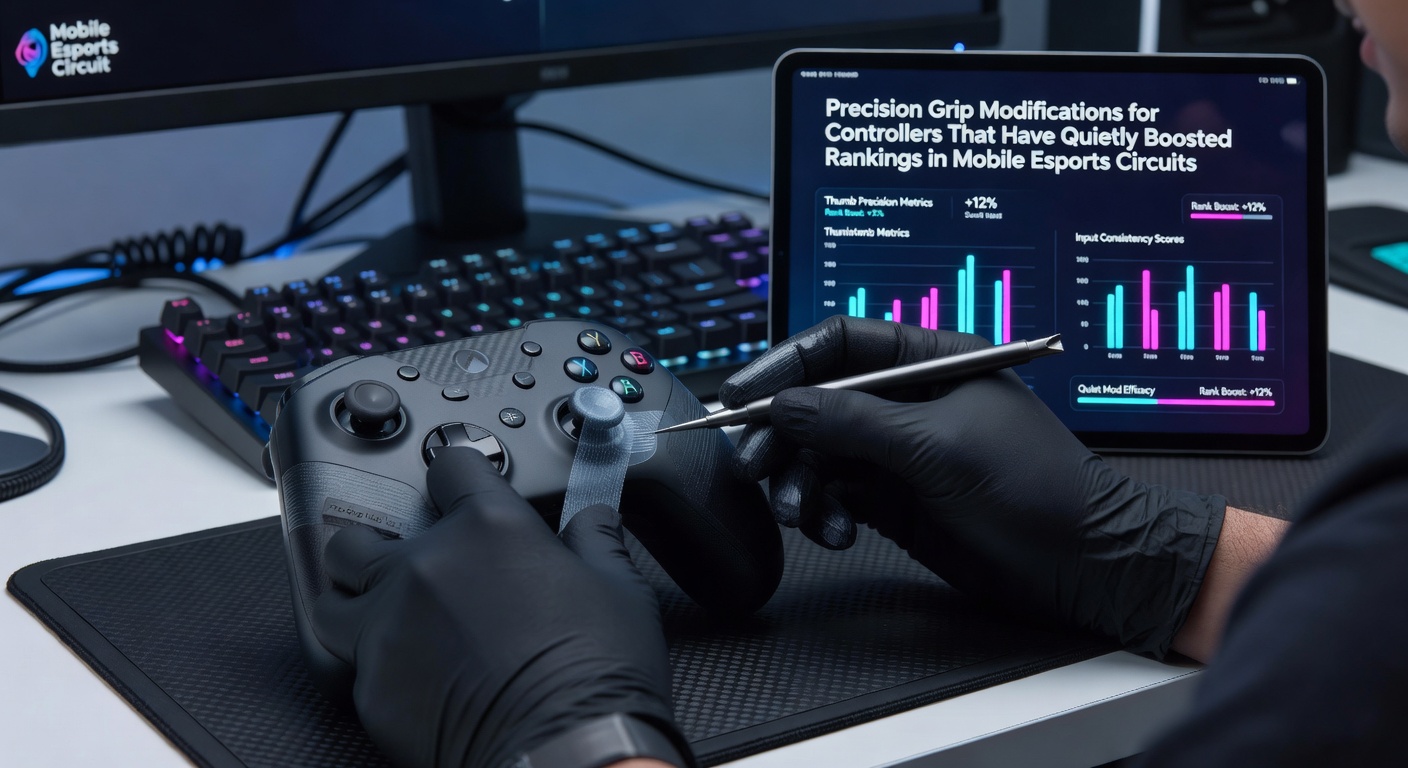
Competitive mobile esports circuits have seen a steady rise in controller modifications focused on grip precision, with participants in regional and international events …
Machine learning systems now drive the core matchmaking processes in competitive online gaming, where algorithms sift through enormous collections of player statistics, latency …
Online gaming communities continue expanding rapidly, with participation rates climbing across multiple regions, and server infrastructure must keep pace through targeted upgrades …
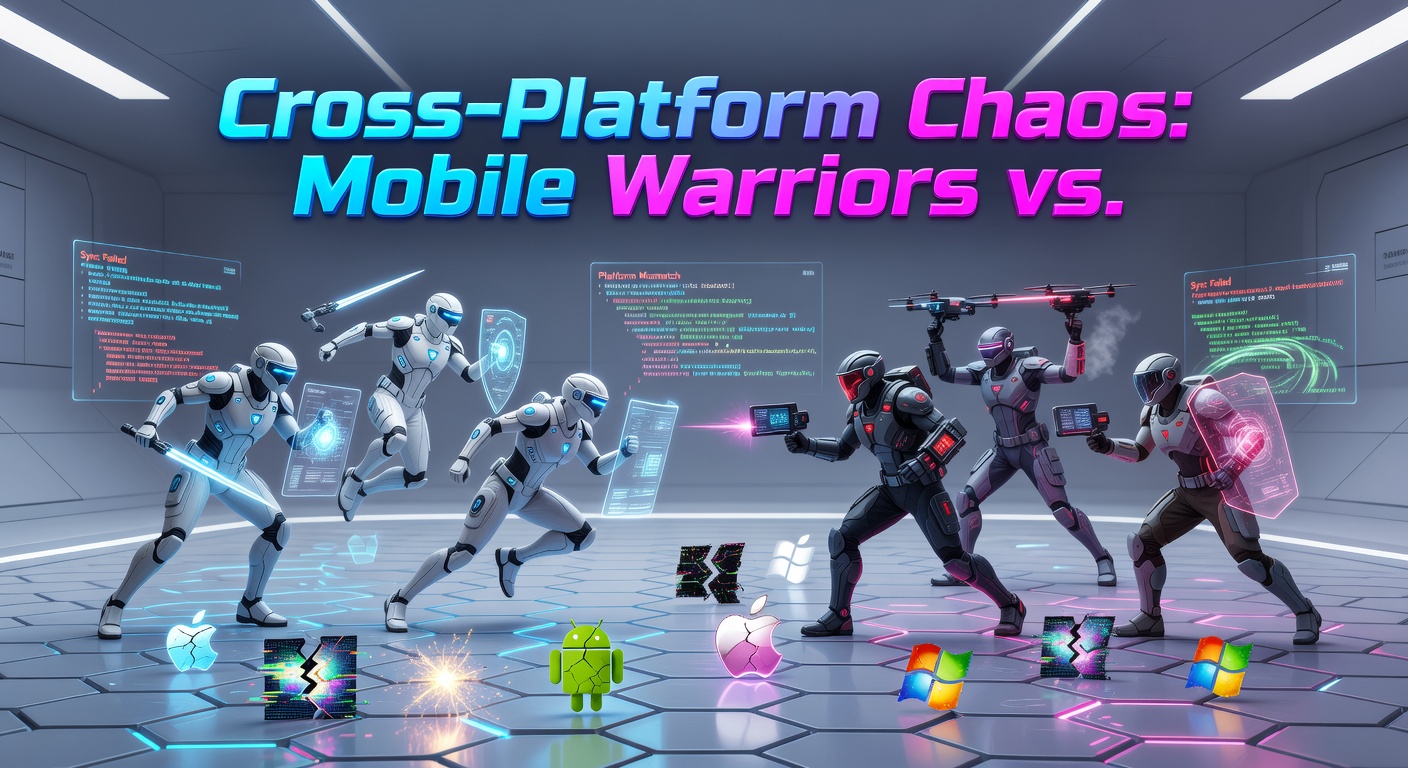
Cross-platform play has transformed multiplayer gaming since its mainstream adoption around 2018, allowing players on mobile devices, consoles, and PCs to compete in the same …
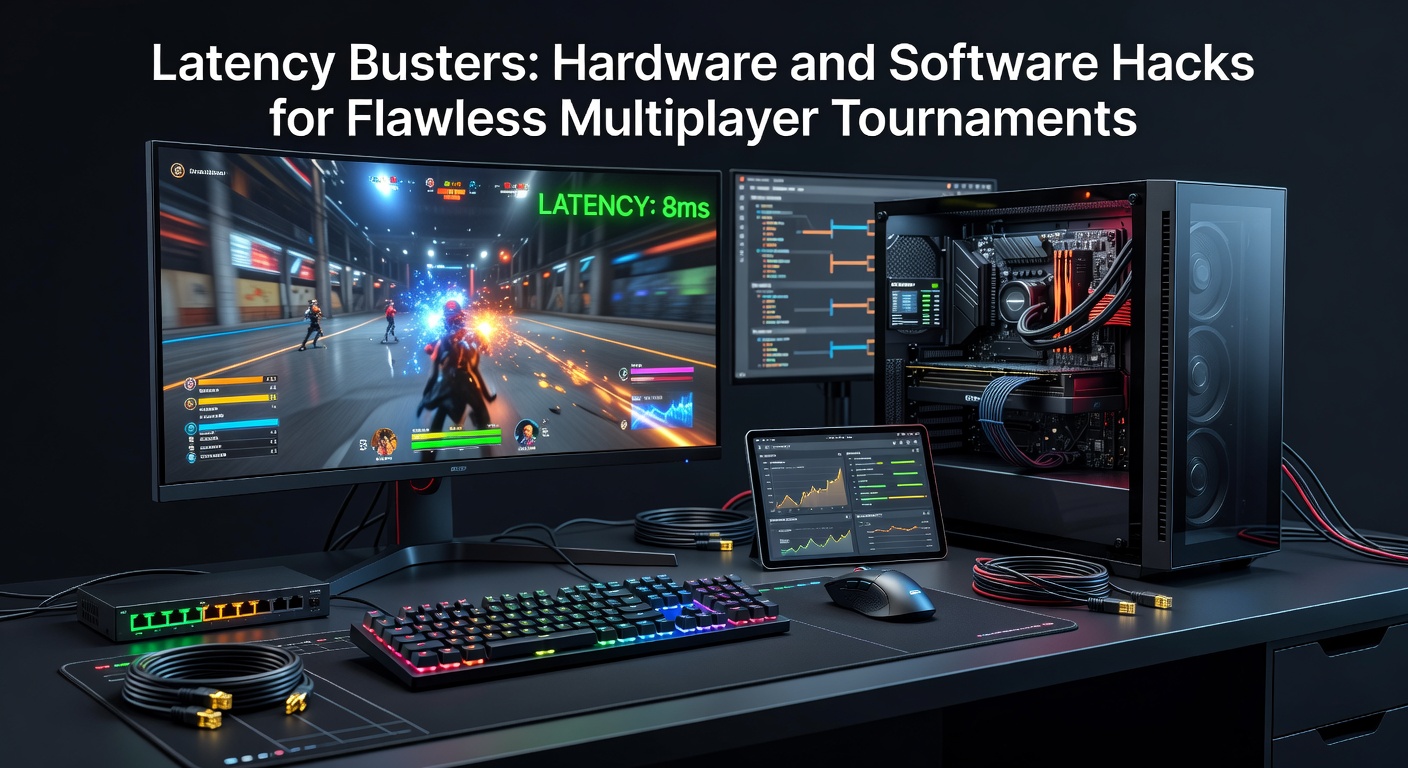
Latency, that pesky delay between a player's input and the game's response, often decides the outcome in multiplayer tournaments where milliseconds matter; experts note how even …
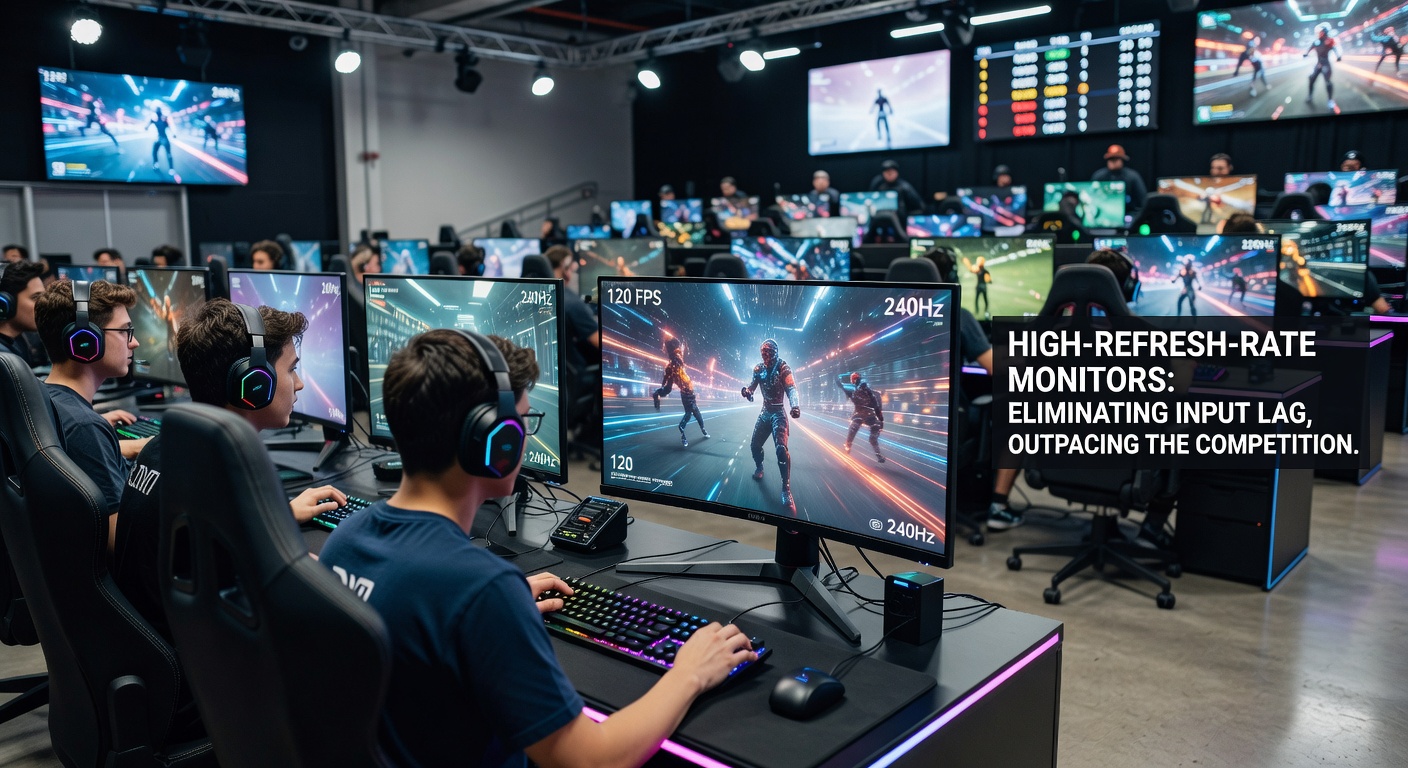
High-refresh-rate monitors, those capable of 240Hz, 360Hz, and even 540Hz refresh rates, have transformed the equipment choices of professional PC esports players, delivering …