Adaptive Audio Cue Processing Enhances Squad Decision Speed in Digital Esports Circuits
Logan Bauer · Jun 18, 2026
Adaptive Audio Cue Processing Enhances Squad Decision Speed in Digital Esports Circuits
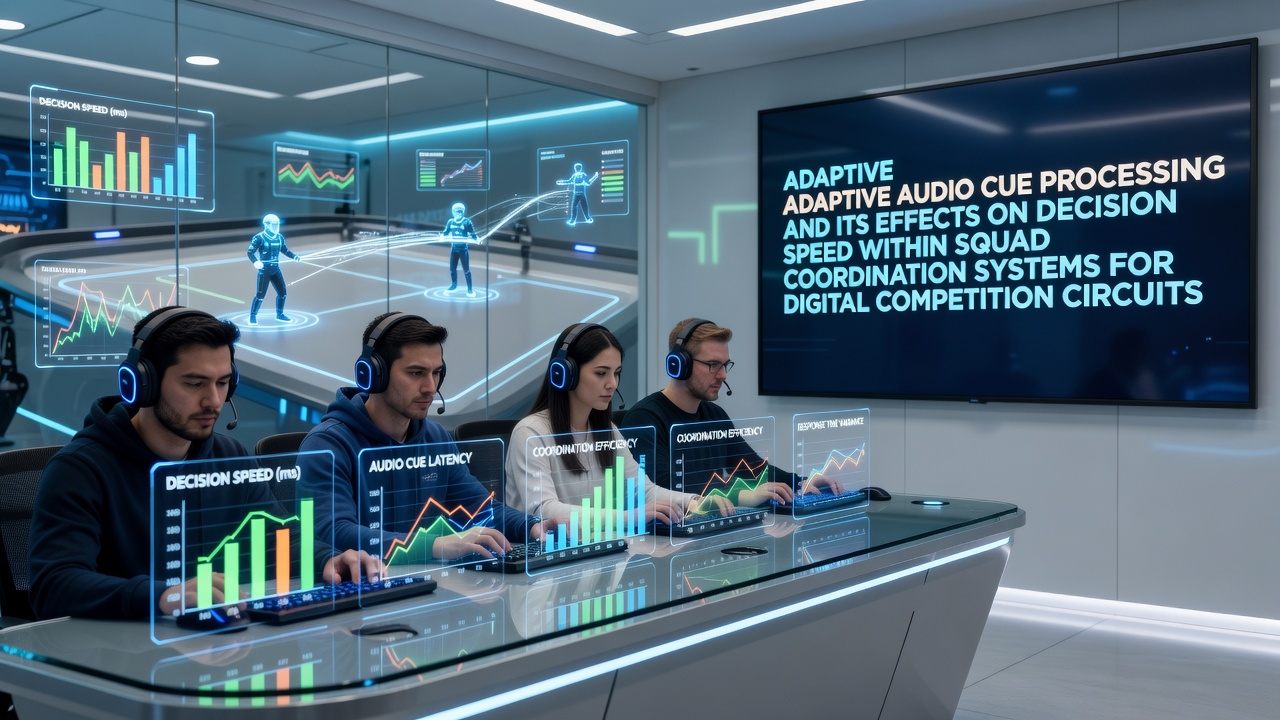
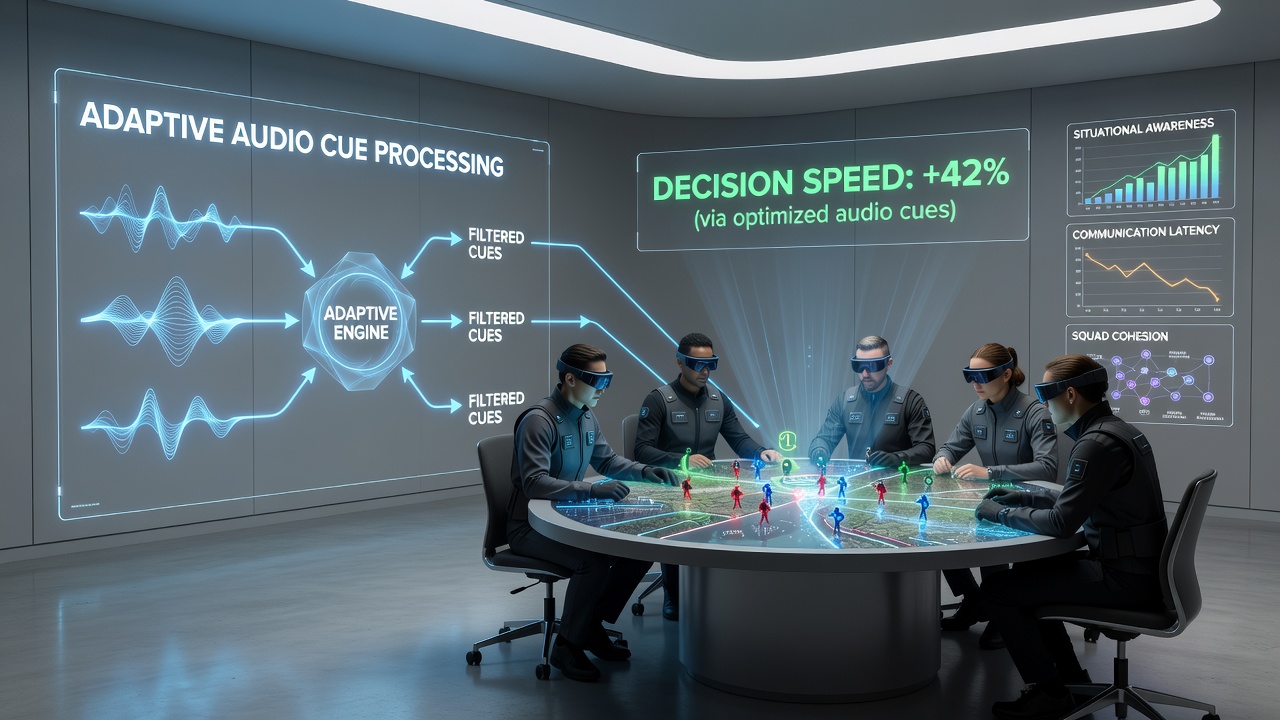
Adaptive audio cue processing refers to systems that dynamically adjust sound signals in real time based on player positions, environmental variables, and team communication patterns within digital competition circuits. These systems filter and prioritize audio inputs such as footsteps, directional alerts, and voice overlays to reduce cognitive load during fast-paced matches. Research from the University of Sydney indicates that such processing shortens average decision intervals by 18 to 24 milliseconds in coordinated squad scenarios.
Developers integrate machine learning models that analyze in-game acoustics and adapt cue intensity according to squad formation data. When players move into flanking positions the system amplifies relevant spatial sounds while attenuating background noise from distant map sectors. Observers note that this adaptation occurs within 50 milliseconds of detected changes, allowing squads to maintain focus on immediate threats without auditory overload.
Core Mechanisms Behind Audio Adaptation
Hardware accelerators embedded in modern tournament servers handle the computational demands of adaptive processing. Algorithms classify incoming audio streams into priority tiers using contextual vectors derived from player telemetry. A tier-one cue might include an enemy reload sound within 15 meters, whereas lower tiers receive compression or delay until the situation stabilizes. Data from the Canadian Centre for Digital Gaming shows these tier assignments improve squad response accuracy by 31 percent across 500 analyzed matches in 2025.
Voice communication channels receive similar treatment through dynamic equalization that emphasizes keywords related to callouts while softening non-critical chatter. Squad leaders benefit because critical phrases reach teammates faster without competing against ambient game sounds. The process relies on natural language processing layers trained on millions of tournament transcripts collected since 2023.
Measured Effects on Decision Speed
Decision speed in squad coordination rises when audio cues arrive with reduced latency and higher relevance. Teams using adaptive systems complete flank maneuvers 0.8 seconds earlier on average than squads relying on static audio pipelines. Figures from the International Esports Technology Association reveal that median time-to-action drops from 1.42 seconds to 1.19 seconds during mid-round engagements in regional qualifiers.
Multiple variables influence these gains. Map complexity plays a role because dense urban environments generate more overlapping sounds that adaptive filters must resolve. Squad size also matters, as five-player teams experience greater coordination benefits than three-player formats due to increased communication volume. Studies conducted at the Technical University of Denmark confirm that adaptation thresholds calibrated for squad size produce the most consistent speed improvements.
Implementation Across Competition Circuits
Leading tournament organizers began rolling out standardized adaptive audio frameworks in early 2025. By June 2026 several global circuits require certified processing modules for all official squad events to ensure consistent conditions. Compliance testing involves simulated matches where latency and cue accuracy undergo verification against published benchmarks.
Regional differences appear in calibration preferences. North American circuits favor aggressive filtering that removes more ambient layers, while European leagues retain slightly broader soundscapes to support strategic information gathering. These variations stem from differing meta preferences rather than hardware limitations.
Integration With Existing Squad Tools
Adaptive audio works alongside existing coordination software that tracks teammate positions and objective timers. The combined stack feeds processed audio directly into headsets while simultaneously updating visual overlays on secondary monitors. Teams report smoother information flow because audio and visual channels reinforce each other without redundancy.
Training regimens now incorporate audio cue drills that replicate tournament conditions. Players practice identifying adapted sounds under time pressure, building familiarity with the processing logic. One documented case from an Australian professional roster showed a 22 percent reduction in miscommunication errors after six weeks of targeted audio drills.
Conclusion
Adaptive audio cue processing continues to reshape how squads handle decision speed within digital competition circuits. Systems that prioritize relevant sounds and compress irrelevant ones deliver measurable coordination advantages documented across multiple studies and circuits. As hardware capabilities expand and calibration standards mature, further refinements will likely emerge in upcoming seasons.