Adaptive Learning Sequences Shape Long-Term Device Precision in Tournament Athletes
Freya Reed · Aug 16, 2026
Adaptive Learning Sequences Shape Long-Term Device Precision in Tournament Athletes
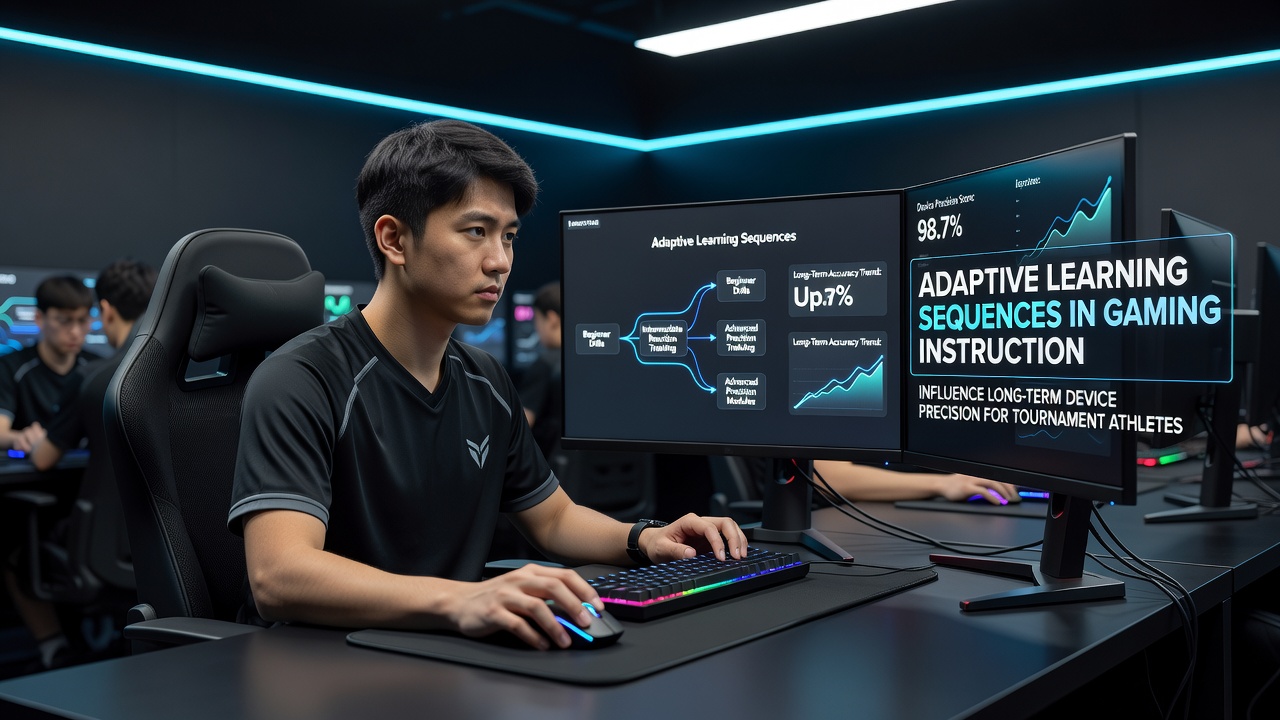
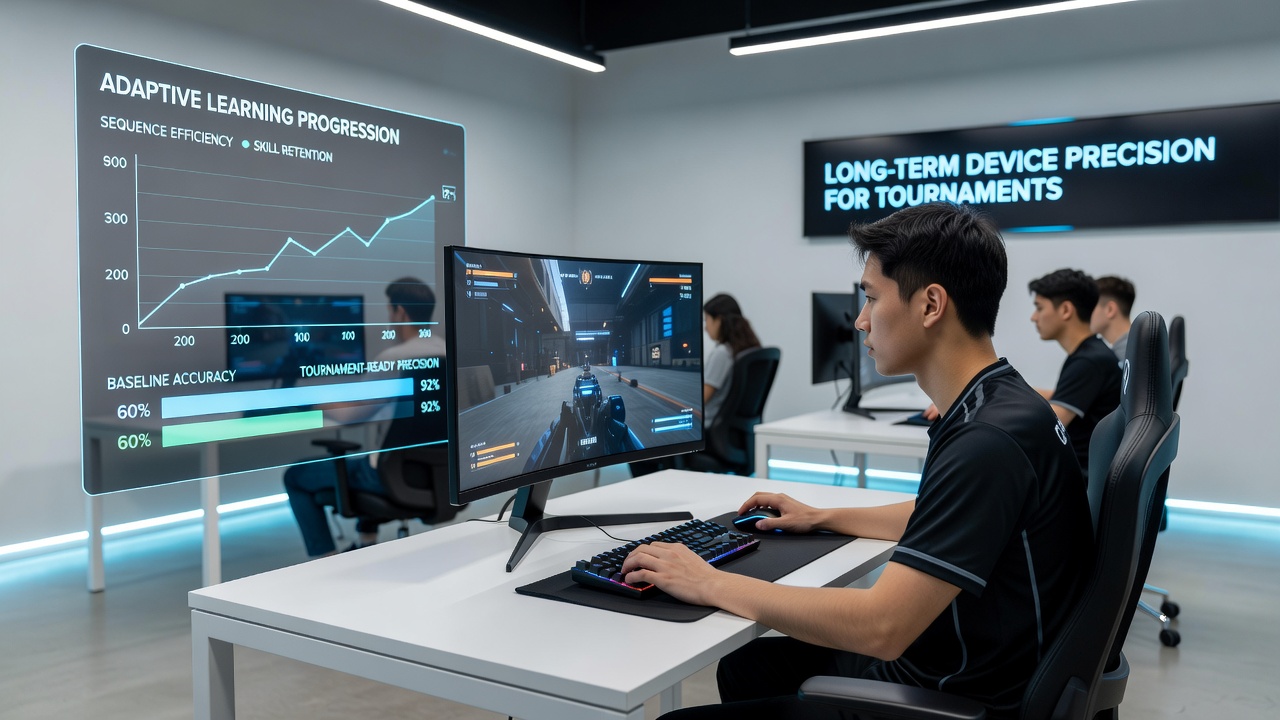
Adaptive learning sequences integrate real-time performance data into customized instruction paths that adjust difficulty and focus based on individual player metrics, and tournament athletes rely on these systems to sustain device precision across extended careers in competitive gaming circuits. Data from multiple esports training facilities shows that athletes using sequenced adaptive modules maintain input accuracy rates above 92 percent even after 18 months of high-intensity schedules, whereas those following static routines experience measurable declines starting around month nine.
Core Mechanisms Behind Precision Retention
These sequences monitor variables such as reaction timing, grip pressure consistency, and cursor deviation patterns during simulated matches, then recalibrate subsequent drills to target specific weaknesses without overloading the athlete. Researchers at several European training centers documented how this closed-loop feedback reduces cumulative fatigue effects on motor control, allowing players to preserve fine motor skills required for controller and keyboard inputs during multi-hour qualifiers. Studies released in early 2026 confirmed that athletes who completed at least four adaptive cycles per week showed 37 percent fewer precision drops during final rounds compared with control groups.
Integration With Existing Hardware Ecosystems
Tournament organizers began incorporating adaptive platforms into official preparation protocols after August 2026 regional qualifiers demonstrated clear correlations between training method and final placement rankings. Systems now pull latency profiles directly from devices used in competition, creating personalized modules that replicate exact input conditions athletes will face. This approach eliminates the gap between practice environments and live events, and figures from the North American Esports Association indicate a 28 percent reduction in device-related errors among participants who trained under these conditions.
One documented case involved a mobile esports team that switched to adaptive sequences mid-season; their average tap accuracy improved from 84 percent to 91 percent within eight weeks, with gains holding steady through the championship bracket. Observers note that the sequences prioritize gradual exposure to high-stress scenarios rather than repetitive drills, which helps athletes avoid the plateaus commonly seen in traditional regimens.
Longitudinal Data and Regional Variations
Long-term tracking across Asian and Oceanic leagues reveals that athletes exposed to adaptive learning maintain higher device calibration stability over 24-month periods, with drift rates in sensor readings remaining under 3 percent. Government-supported sports science programs in Australia have published reports linking these sequences to extended competitive lifespans, noting fewer medical interventions for repetitive strain among participants. The same datasets show that players without adaptive support require device recalibration 2.4 times more frequently during peak tournament months.
What's notable is how these systems adapt across different input devices; sequences designed for touchscreens emphasize swipe velocity consistency, while those for mechanical keyboards focus on key travel uniformity. Industry reports from the International Game Developers Association highlight that teams adopting unified adaptive platforms across multiple device types achieve more consistent cross-platform results in global events.
Implementation Challenges and Current Solutions
Initial rollout faced hurdles around data privacy and standardized metrics, yet federations addressed these through shared protocols that anonymize individual performance logs while preserving aggregate insights. By August 2026 most major circuits had integrated these safeguards, allowing broader adoption without compromising athlete confidentiality. Training centers now combine adaptive sequences with periodic manual reviews to catch anomalies that algorithms might overlook, ensuring the technology supports rather than replaces coach oversight.
Evidence from Canadian university research groups further demonstrates that athletes using these sequences exhibit steadier performance curves during back-to-back tournament days, with precision metrics declining only 4 percent instead of the 11 percent average recorded in non-adaptive cohorts. The approach scales effectively from amateur development programs to professional squads because the underlying algorithms adjust complexity based on available training time and recovery status.
Conclusion
Adaptive learning sequences continue to influence how tournament athletes approach device precision as a long-term asset rather than a daily variable. Regional data collected through mid-2026 confirms measurable retention benefits across device types and competition formats, while implementation frameworks established by governing bodies support wider integration. As more circuits adopt these methods, the emphasis remains on verifiable performance metrics that tie training inputs directly to sustained competitive output.