Ambient Light Variations and Their Measured Influence on Targeting Accuracy in Extended Virtual Sessions
Freya Reed · Oct 13, 2026
Ambient Light Variations and Their Measured Influence on Targeting Accuracy in Extended Virtual Sessions
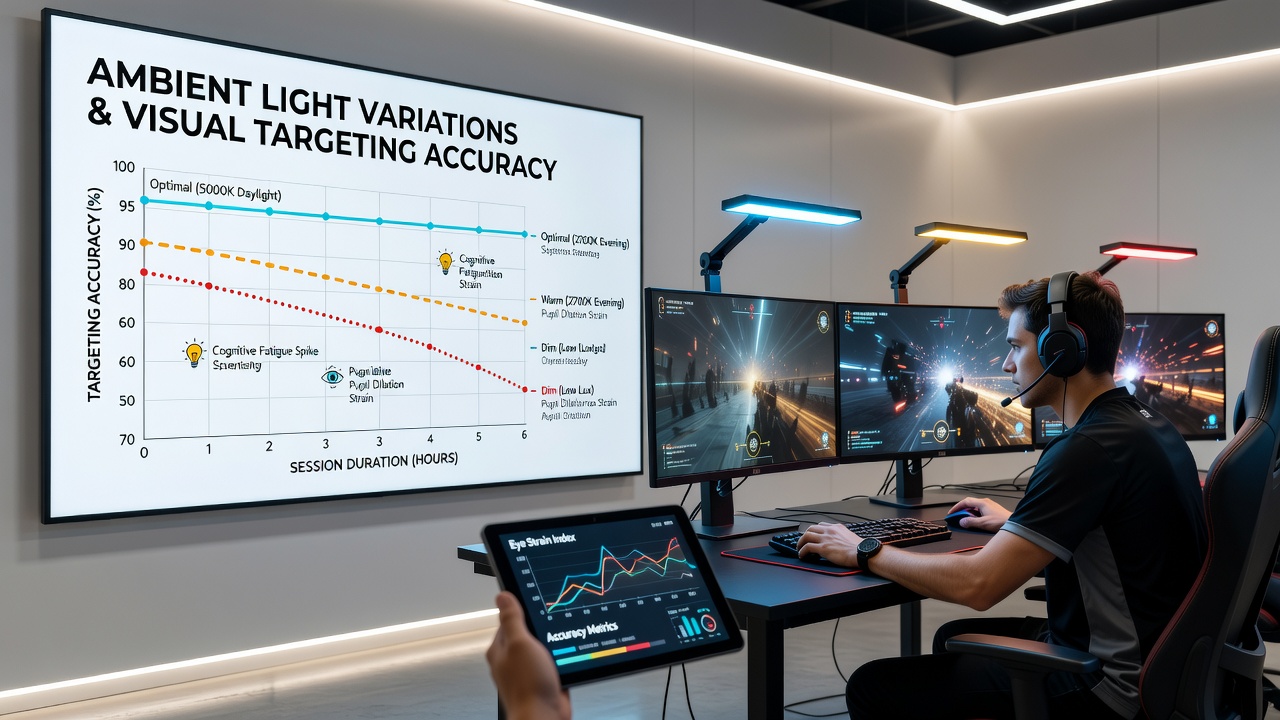
Ambient light variations affect visual targeting accuracy in prolonged virtual competition sessions through changes in pupil response, contrast sensitivity, and eye fatigue accumulation, according to multiple ergonomics and vision science investigations. Researchers have tracked these patterns across competitive gaming environments where participants maintain consistent screen distances and session lengths exceeding two hours.
Core Mechanisms Behind Light-Induced Accuracy Shifts
Fluctuations in surrounding illumination alter retinal adaptation rates, which in turn modify how quickly players detect and lock onto targets on screen, and data from controlled laboratory sessions show measurable drops in hit rates when ambient levels shift from 50 lux to 300 lux mid-session. Observers note that rapid transitions between bright and dim conditions force repeated pupil constrictions and dilations, creating brief windows of reduced visual acuity that coincide with peak competition moments.
Studies conducted at university vision labs have quantified these delays using eye-tracking equipment synchronized with in-game telemetry, revealing that accuracy declines average between 8 and 14 percent after 90 minutes when ambient light varies by more than 100 lux. Those who've examined the raw datasets point out that the effect compounds with screen brightness settings above 250 nits, as the mismatch between peripheral and central field illumination increases glare perception.
Evidence From Extended Session Monitoring
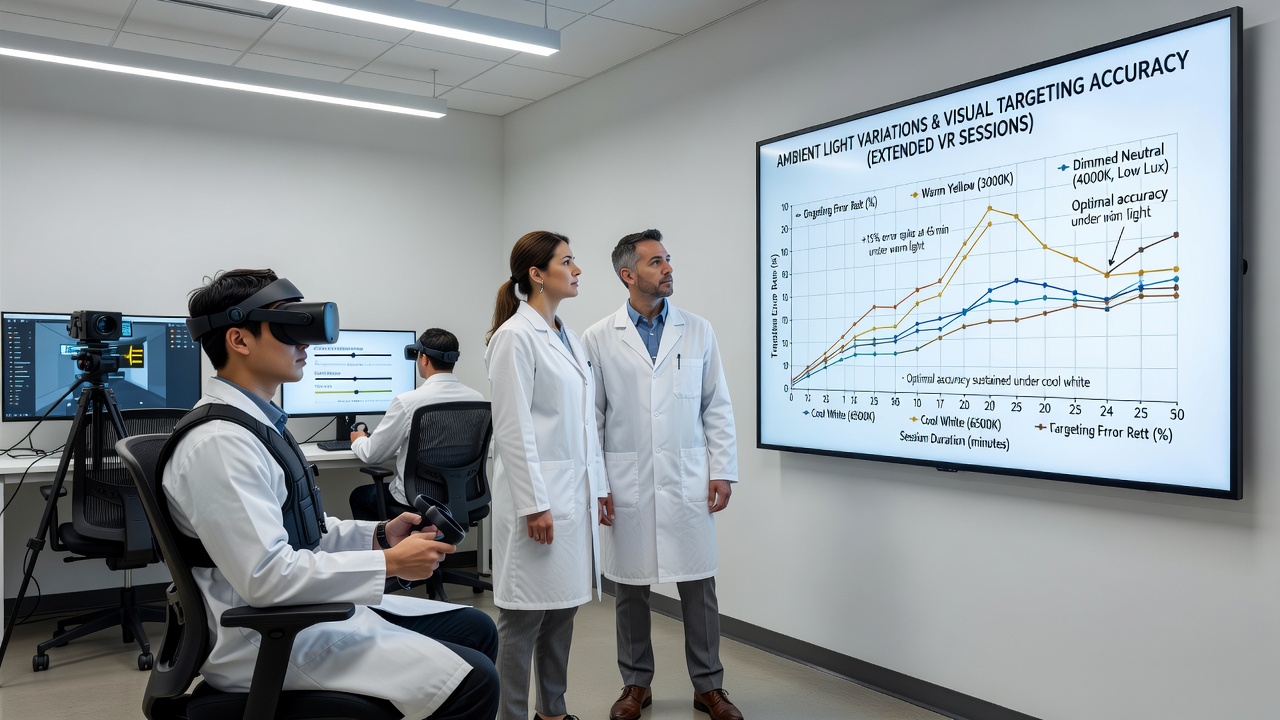
Longitudinal tracking of tournament participants in October 2026 across multiple regional leagues documented consistent patterns where rooms with automated lighting schedules produced fewer targeting errors than spaces relying on manual adjustments. One analysis of over 200 recorded sessions found that stable ambient conditions around 150 lux correlated with steadier aim retention, while variable overhead fixtures introduced measurable variance in first-shot accuracy during later stages of matches.
Additional work from Canadian research centers has isolated the contribution of blue-enriched ambient sources, showing they accelerate visual fatigue compared with warmer spectra at identical lux values. Participants exposed to cooler lighting reported increased discomfort after three hours, and corresponding telemetry indicated slower target acquisition times that aligned with self-reported strain metrics.
Practical Adjustments Observed in Competitive Circuits
Teams and individual competitors have implemented fixed bias lighting behind monitors to reduce contrast between screen and surroundings, and figures from league-wide equipment audits indicate these modifications stabilize accuracy metrics over five-hour events. Data collected through standardized testing protocols demonstrate that indirect rear illumination at 10 percent of screen brightness minimizes adaptation stress without introducing new glare vectors.
Regional differences appear in how venues manage these variables, with European facilities more frequently incorporating programmable LED strips that maintain constant color temperature throughout events. Australian tournament organizers have reported similar benefits from calibrated wall washers that prevent sudden drops in ambient levels during evening qualification rounds.
Calibration sequences for peripheral lighting now form part of pre-event checklists in several circuits, and records show that players who complete these steps maintain targeting precision longer than those who skip them. The ball remains in the venue operators' court to standardize these practices if they wish to support consistent performance baselines.
Conclusion
Documented interactions between ambient light and visual targeting accuracy continue to guide equipment and venue standards in competitive virtual environments. Ongoing data collection through eye-tracking and performance logging supplies clearer parameters for lighting design that supports sustained precision without requiring subjective interpretation. Those monitoring the field expect further refinement of these guidelines as session durations and display technologies evolve.