Biometric Integration Transforms Endurance Approaches in International Tournament Play
Felix Jenkins · Jun 4, 2026
Biometric Integration Transforms Endurance Approaches in International Tournament Play
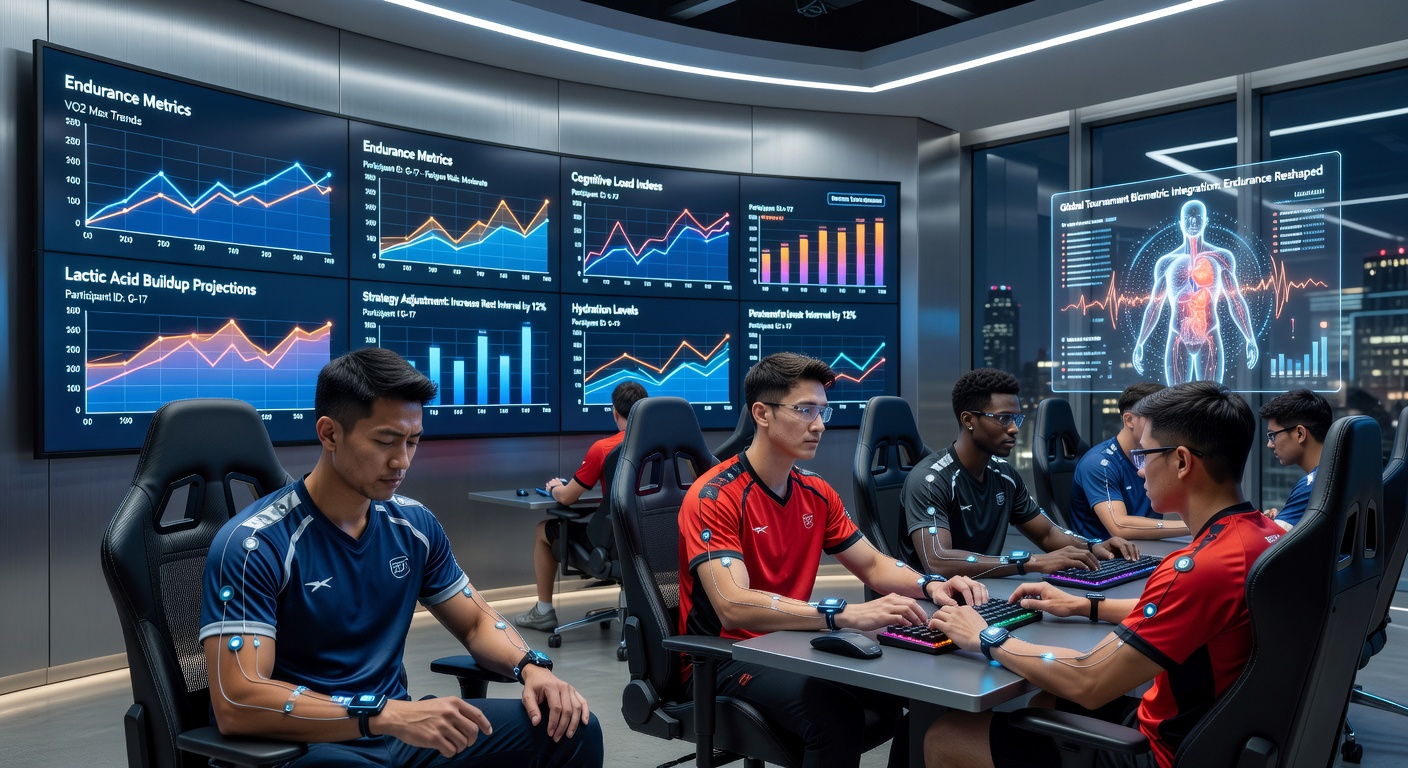
Global tournament circuits have incorporated biometric feedback systems at an accelerating pace since early 2025, and data from major events shows participants adjusting rest intervals, hydration protocols, and cognitive pacing based on live physiological readings. Heart rate variability monitors, skin conductance sensors, and EEG headbands feed information directly to coaching staff and players through wireless dashboards, allowing mid-match modifications that extend performance windows by measurable margins.
Core Mechanisms Behind the Shift
Systems track multiple signals simultaneously, combining cardiovascular metrics with neural activity patterns to flag fatigue onset before visible performance drops occur. When cortisol levels spike or alpha wave consistency declines, players receive haptic or visual cues prompting brief breathing resets or posture adjustments that maintain output levels. Research conducted at the University of Toronto's gaming performance lab indicates these interventions reduce error rates in extended sessions by 18 to 22 percent compared with control groups relying solely on subjective fatigue assessment.
Coaches now review post-session reports that correlate biometric thresholds with specific in-game decisions, revealing patterns such as elevated heart rates preceding suboptimal positioning choices in strategy-heavy titles. This evidence base lets teams refine preparation cycles, scheduling high-intensity scrimmages only when baseline recovery markers return to optimal ranges.
Regional Adoption Patterns Through Mid-2026
European circuits led early integration, with organizers in Germany and Sweden mandating sensor compatibility for qualifiers starting January 2026. Asian leagues followed quickly, and by June 2026 the Pacific Championship Series required all finalists to wear standardized chest-strap devices that transmit data to neutral oversight panels. North American events adopted similar rules shortly afterward, creating a de facto global standard that lets analysts compare endurance metrics across time zones and competition formats.
One documented case involved a South Korean team that extended average match duration tolerance from 47 to 63 minutes after implementing real-time lactate threshold alerts. Their training logs showed deliberate reduction in pre-tournament caffeine intake once sensor data highlighted its contribution to later-stage dehydration spikes.
Training Protocol Adjustments
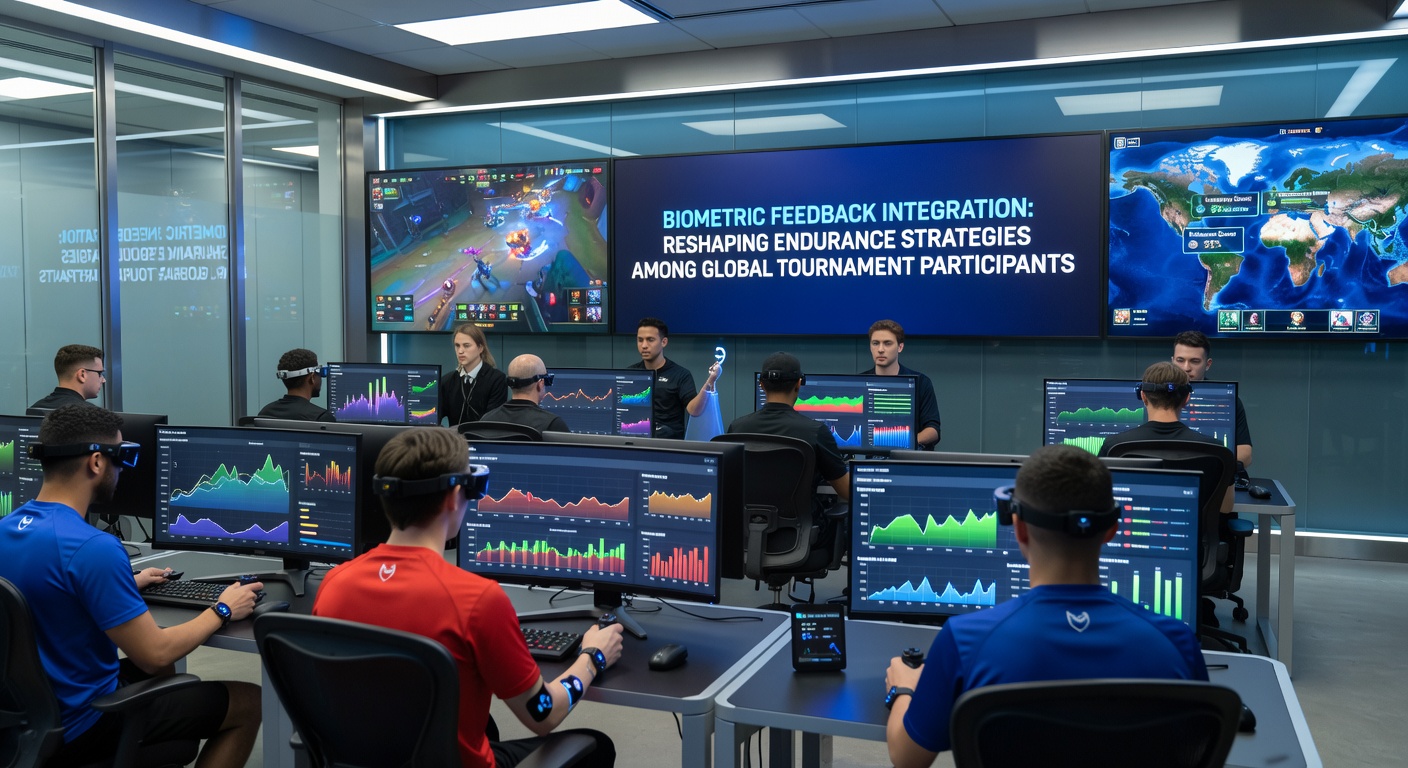
Endurance regimens now incorporate deliberate stressor exposures calibrated to individual biometric baselines rather than generic time-on-task drills. Athletes perform simulated high-pressure scenarios while wearing sensors, then review recovery curves to identify personal sweet spots for sleep duration and nutrition timing. Data aggregated by the International Esports Federation shows teams using these methods report 15 percent fewer mid-tournament withdrawals due to cognitive exhaustion.
Nutritionists working with Australian squads have linked specific electrolyte ratios to stabilized skin conductance readings, prompting customized drink formulas that players consume at sensor-triggered intervals. These tweaks replace earlier guesswork approaches and produce consistent output across multi-day events.
Hardware and Software Infrastructure
Lightweight, tournament-approved devices connect via low-latency Bluetooth to dedicated tablets that display simplified dashboards for players while sending granular datasets to analysts. Software platforms developed in partnership with Canadian research institutions filter noise from movement artifacts, ensuring reliable readings even during rapid controller inputs or keyboard activity. Firmware updates rolled out in spring 2026 improved battery life to cover full 12-hour tournament days without requiring mid-event swaps.
Privacy frameworks require anonymized data storage after each event, with players retaining rights to review and delete personal records. Compliance audits conducted by independent European bodies confirm adherence across participating regions.
Conclusion
Biometric feedback loops have become embedded in preparation and in-match decision frameworks for global tournament participants, supported by accumulating performance data and standardized hardware protocols. Continued refinement of sensor accuracy and integration with existing training platforms points toward further endurance gains as adoption widens through late 2026 and beyond.