Cloud Rendering Pipelines Redefine Competitive Edges for Remote PC Gamers in Low-Bandwidth Zones
Felix Jenkins · Jun 9, 2026
Cloud Rendering Pipelines Redefine Competitive Edges for Remote PC Gamers in Low-Bandwidth Zones
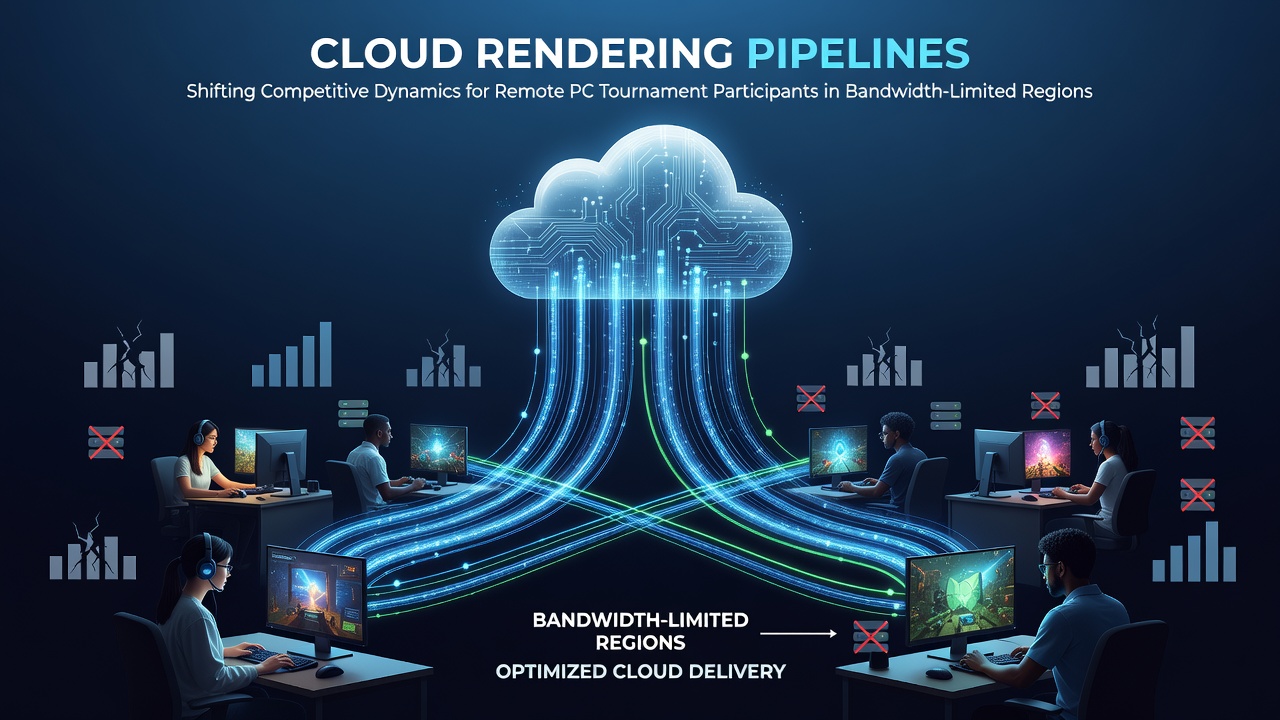
Cloud rendering pipelines have begun altering how participants in remote PC tournaments handle graphics processing demands especially in areas where bandwidth remains constrained and traditional local hardware falls short of competitive standards. These systems offload rendering tasks to remote servers that stream processed frames back to user devices which reduces the need for high-end local GPUs while shifting the performance bottleneck toward network stability and latency management. Data from industry reports indicate that adoption rates for such pipelines increased notably by early 2026 as tournament organizers sought ways to equalize access across diverse geographic regions.
Observers note that players in bandwidth-limited zones often face inconsistent frame delivery when relying solely on local rendering which creates uneven conditions during synchronized online events. Cloud approaches address this by compressing and prioritizing essential visual data streams yet they introduce new variables around packet loss and connection quality that can determine match outcomes. Researchers at various institutions have documented cases where optimized cloud pipelines allowed competitors in rural settings to maintain frame rates comparable to those in urban centers equipped with fiber infrastructure.
Technical Mechanics Behind the Shift
At the core of these pipelines lie distributed rendering clusters that process game scenes in real time before transmitting encoded video to endpoints over standard internet connections. Protocols such as those based on adaptive bitrate streaming adjust output quality dynamically based on detected bandwidth fluctuations which helps maintain playable conditions even when speeds dip below typical thresholds for esports titles. Studies conducted through academic partnerships have shown that these adjustments can cut local hardware requirements by up to 60 percent in tested scenarios while preserving input responsiveness within acceptable tournament limits.
Hardware compatibility expands as a result since older PCs or those without dedicated graphics cards can participate more effectively provided the upstream connection supports consistent upload speeds for control data. Tournament platforms have integrated these pipelines into their qualification systems by June 2026 allowing broader entry from regions previously excluded due to equipment costs. This integration relies on edge server placements that position rendering resources closer to end users thereby trimming round-trip times that might otherwise compound delays in competitive play.
Effects on Participants in Constrained Regions
Competitors operating from bandwidth-limited areas gain access to higher visual fidelity options without upgrading physical machines yet they must contend with service dependencies that local rendering avoids. Figures from connectivity analyses reveal that regions with average download speeds under 50 Mbps see the most pronounced changes in participation numbers once cloud options become available through tournament organizers. Those who adapt their setups to include dedicated network prioritization tools report fewer interruptions during critical match phases according to aggregated performance logs shared at industry gatherings.
Strategy adjustments follow naturally as players account for potential stream interruptions by favoring characters or playstyles that tolerate brief visual inconsistencies. One documented example involved a Southeast Asian qualifier series where cloud-enabled entrants from remote islands outperformed expectations by leveraging server-side processing to bypass local power and hardware limitations common in those locales. Such patterns suggest that success increasingly hinges on network management skills alongside traditional gaming proficiency.
Broader Tournament Ecosystem Changes
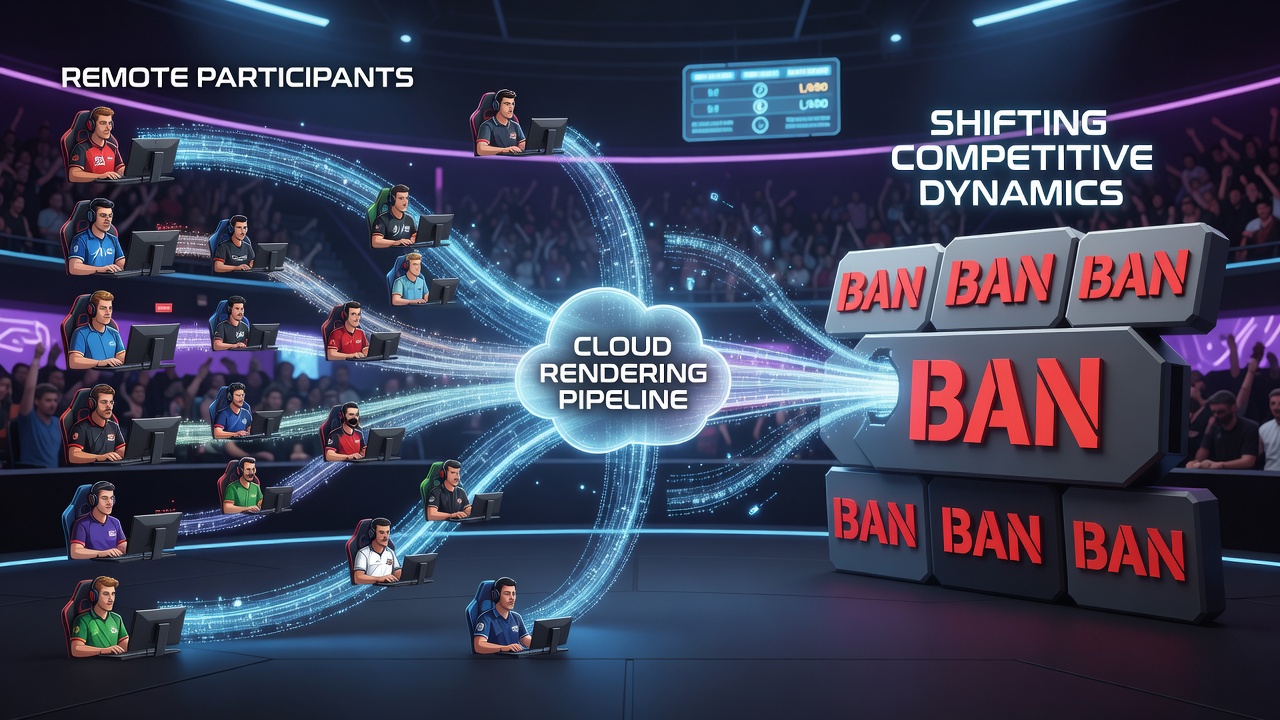
Organizers have responded by updating rulesets to standardize cloud pipeline usage which prevents advantages tied to proprietary connections or premium service tiers. Regulatory bodies including the Australian Communications adn Media Authority have issued guidelines on fair access to cloud gaming resources that influence how international events structure their remote divisions. These measures aim to address disparities that arise when bandwidth availability varies widely across participating countries.
Academic examinations of tournament data further highlight correlations between pipeline adoption and extended participation from underrepresented areas with one analysis from Canadian research networks linking increased entries to improved server proximity in 2025 and 2026 seasons. Yet challenges persist around data caps imposed by local providers which can curtail practice time or force conservative streaming settings during events. Industry associations such as the Entertainment Software Association have tracked these trends through member surveys that underscore the need for continued infrastructure investment to sustain equitable competition.
Looking Ahead to Sustained Integration
Future developments point toward hybrid models that blend cloud rendering with selective local processing to further mitigate bandwidth sensitivities in real time. Participants who master these combined approaches stand to maintain consistency across varying network conditions as evidenced by pilot programs rolled out ahead of mid-2026 global qualifiers. Continued monitoring by research groups will likely refine best practices for regions where connectivity infrastructure lags behind gaming hardware advancements.
Conclusion
Cloud rendering pipelines continue to reshape access and performance parameters for remote PC tournament players situated in bandwidth-limited regions by redistributing computational loads and introducing network-centric variables into competitive equations. Evidence from multiple sources demonstrates measurable expansions in participation alongside new tactical considerations that players and organizers alike must navigate. As these technologies mature their role in leveling hardware disparities while highlighting connectivity as a pivotal factor will define ongoing evolution in the esports landscape.