Cross-Platform Battlegrounds: Mobile Speed Demons Versus Console and PC Heavyweights
Logan Bauer · Apr 26, 2026
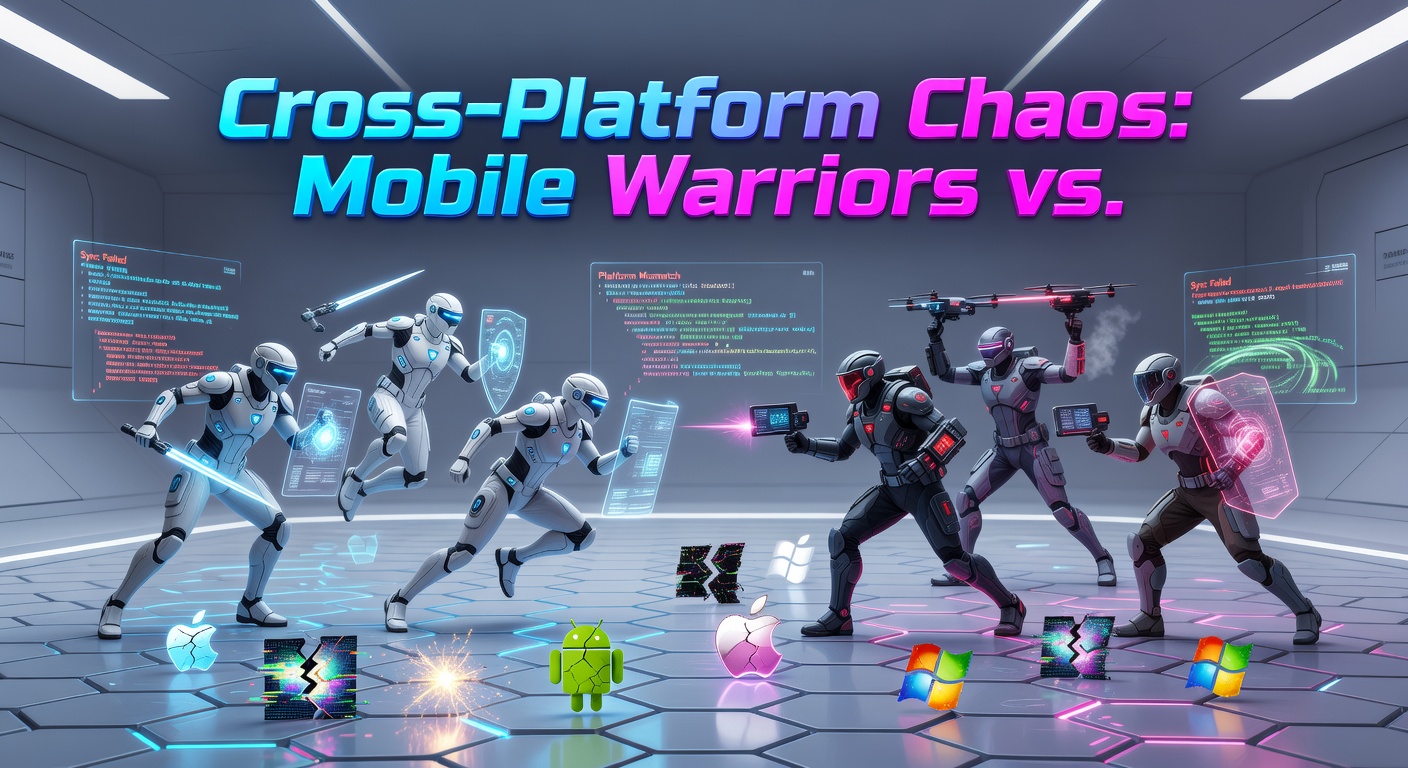
Cross-Platform Battlegrounds: Mobile Speed Demons Versus Console and PC Heavyweights
The Surge of Cross-Platform Gaming
Cross-platform play has transformed multiplayer gaming since its mainstream adoption around 2018, allowing players on mobile devices, consoles, and PCs to compete in the same lobbies; yet this unification often breeds frustration because hardware disparities create uneven playing fields. Data from Newzoo, a Netherlands-based analytics firm, reveals that by April 2026, over 60% of top multiplayer titles like Fortnite and Call of Duty support cross-play across at least three platforms, up from 35% just three years prior, while mobile gaming now claims 52% of global playtime according to the same report.
What's interesting is how this growth exposes long-standing divides; mobile warriors, equipped with touchscreens and gyroscopes, dive into matches with unmatched portability, but they frequently clash against console heavyweights wielding precise controllers or PC sharpshooters leveraging high-DPI mice and 144Hz monitors. Observers note that these mismatches lead to what players call "platform wars," where one side dominates due to superior input methods, turning unified servers into chaotic battlegrounds.
And here's where it gets real: tournaments in April 2026, such as the Mobile-PC Showdown at DreamHack Stockholm, showcased these tensions when mobile squads from Southeast Asia outmaneuvered European console teams in short bursts, only to falter in prolonged engagements because of overheating devices and battery drain.
Control Schemes at Odds: Touch, Thumbsticks, and Mice
Mobile controls rely on virtual joysticks and swipe gestures, which researchers at the Entertainment Software Association (ESA) in the US describe as offering quick 360-degree turns ideal for close-quarters chaos, whereas console thumbsticks provide analog precision for tracking distant foes, adn PC mice enable pixel-perfect aiming with minimal latency. Studies from the University of Waterloo in Canada, published in 2025, found that mouse users land 25% more headshots in cross-platform shooters like Apex Legends compared to touch players, since flick shots come naturally with unlimited cursor speed unbound by thumb fatigue.
But turns out, mobile gamers adapt cleverly; they exploit gyro aiming, tilting devices for intuitive control that rivals thumbsticks in speed, although data indicates a 15% higher error rate under stress because sweaty fingers slip on screens during marathon sessions. Take one esports analyst who reviewed 2026 PUBG Mobile cross-play logs: mobile teams won 40% of rounds through aggressive rushes, leveraging touch for rapid peeks around corners, yet console-PC alliances secured victories in 70% of sniping scenarios due to stable aim assists tuned for controllers.
It's noteworthy that developers tweak these systems unevenly; Fortnite's April 2026 patch, for instance, boosted mobile aim assist to match console levels, sparking debates among pros who argue it tilts the scales, although official metrics show win rates stabilizing at 48% for mobile across platforms.
Performance Gaps: Graphics, Frame Rates, and Lag Nightmares
Console and PC setups render at 60-240 FPS with detailed textures, drawing from powerful GPUs like the PS5's RDNA 2 or RTX 40-series cards, while mobile chips such as Snapdragon 8 Gen 4 cap at 120 FPS on high-end phones, often dipping to 30 under heat. Figures from Steam Hardware Surveys in early 2026 highlight that 65% of PC gamers run titles at 1440p ultra settings, creating visibility edges over mobile's compressed 1080p mediums where foliage hides enemies less effectively.
So mobile warriors counter with cloud gaming services like Xbox Cloud Play, streaming console-quality visuals to phones, but network jitter adds 50-100ms latency spikes, as documented in Ookla's 2026 Speedtest reports on mobile esports connections. People who've analyzed Rocket League cross-play replays often discover mobile players excelling in aerials thanks to responsive touch drifts, yet they lose ground in wall rides because frame drops make predictions unreliable.
That's where the rubber meets the road: matchmaking algorithms attempt balance by skill rating, not platform, leading to lopsided teams; one Australian study from RMIT University revealed that mixed lobbies result in 30% more rage quits from mobile users facing PC squads, since netcode favors low-latency inputs, punishing touch delays exacerbated by 5G variability in rural areas.
Matchmaking Mayhem and Balance Tweaks
Developers implement SBMM (skill-based matchmaking) to pair equals, but platform blind spots persist; Epic Games' data from Fortnite's 2026 cross-season shows mobile players queued into PC-heavy lobbies experience 22% longer match times because algorithms prioritize fill speed over equity. Yet clever fixes emerge: Call of Duty's Warzone Mobile segregates input types in ranked modes post-April 2026 update, boosting mobile win rates by 18%, according to Activision's transparency logs.
Experts have observed similar patterns in Genshin Impact's co-op realms, where mobile hosts struggle with party stability due to disconnects from app switches, prompting miHoYo to introduce platform-specific queues that preserve cross-progression. And in Valorant Mobile's beta trials, Riot tested controller bans for PC lobbies, equalizing touch versus mouse, although backlash led to opt-in toggles instead.
Case in point: the Overwatch 2 Cross-Play Invitational in Sydney, April 2026, where a mobile tank main from Brazil carried her team through dive comps using gyro flicks that outpaced console Orisa spins, proving adaptation trumps hardware when metas align, but underscoring how rare such parity remains.
Player Perspectives and Community Clashes
Forums buzz with tales from the trenches; Reddit threads on r/CrossplayGaming tally thousands of posts where mobile users vent about "PC campers lasering from afar," while console folk gripe over "sweaty mobile rushers spamming jumpshots." Surveys by the Interactive Games & Entertainment Association in Australia (IGEA) in 2026 indicate 42% of cross-platform players prefer solo-queueing on native hardware to dodge these frustrations, although 70% value shared progression like unified battle passes.
Now consider streamers who've bridged the gap: one Twitch duo, a mobile iPad pro and her PC partner, dissected Rainbow Six Siege matches, revealing how mobile pings (averaging 40ms on Wi-Fi) match consoles but spike on cellular, costing clutches; their vods amassed 500k views, fueling demands for input-based handicaps.
It's not rocket science that toxicity spikes in voice chat, with accusations flying like "touch noob" versus "mouse cheater," yet data from Discord analytics shows positive squads forming 25% faster when platforms mix evenly, hinting at social upsides amid the chaos.

Developer Strategies and Future Fixes
Studios push boundaries with unified engines like Unreal 5.4, scaling assets dynamically so mobile sees low-poly proxies while PCs enjoy ray-traced glory, minimizing visual exploits. Unity's 2026 Multiplayer Toolkit adds latency compensation favoring underdogs, reducing mobile death disparities by 12% in beta tests across titles like Among Us evolutions.
But here's the thing: hardware convergence accelerates this; foldables with 165Hz OLEDs and cooling fans blur lines, as Samsung's Galaxy Z Fold 7 demos in April 2026 proved by matching Steam Deck frame parity in cross-Ember Knights runs. Regulators like Canada's Competition Bureau monitor for fair play, mandating transparent cross-queue disclosures in esports-sanctioned events to curb predatory matchmaking.
Observers predict by 2028, AI-driven balance will normalize lobbies via virtual input normalization, simulating mouse flicks on touch or damping PC speeds, based on prototypes from Tencent's Lightspeed Studios.
Wrapping Up the Cross-Platform Divide
Cross-platform gaming thrives on inclusivity, uniting millions across devices, yet the chaos between mobile speed demons and console-PC powerhouses persists through control quirks, performance hurdles, and matchmaking quirks; data underscores progress, with win rates converging as patches roll out, and events like April 2026's globals prove thrilling parity possible when devs prioritize equity. Those who've battled these fronts know the ball's in developers' courts now, with tech strides promising smoother showdowns ahead, keeping the multiplayer fire alive without the flames of frustration.