Precision Grip Modifications for Controllers That Have Quietly Boosted Rankings in Mobile Esports Circuits
Freya Reed · May 21, 2026
Precision Grip Modifications for Controllers That Have Quietly Boosted Rankings in Mobile Esports Circuits
Competitive mobile esports circuits have seen a steady rise in controller modifications focused on grip precision, with participants in regional and international events integrating custom textures, weighted inserts, and ergonomic overlays to refine input accuracy. These changes address the challenges of prolonged sessions on touch-sensitive devices paired with external controllers, where subtle shifts in hand position can alter performance outcomes during fast-paced matches. Data collected from tournaments throughout 2025 and into early 2026 shows participants using such modifications achieving higher consistency in aiming tasks and reduced error rates compared to standard setups.
Core Elements of Grip Modification Techniques
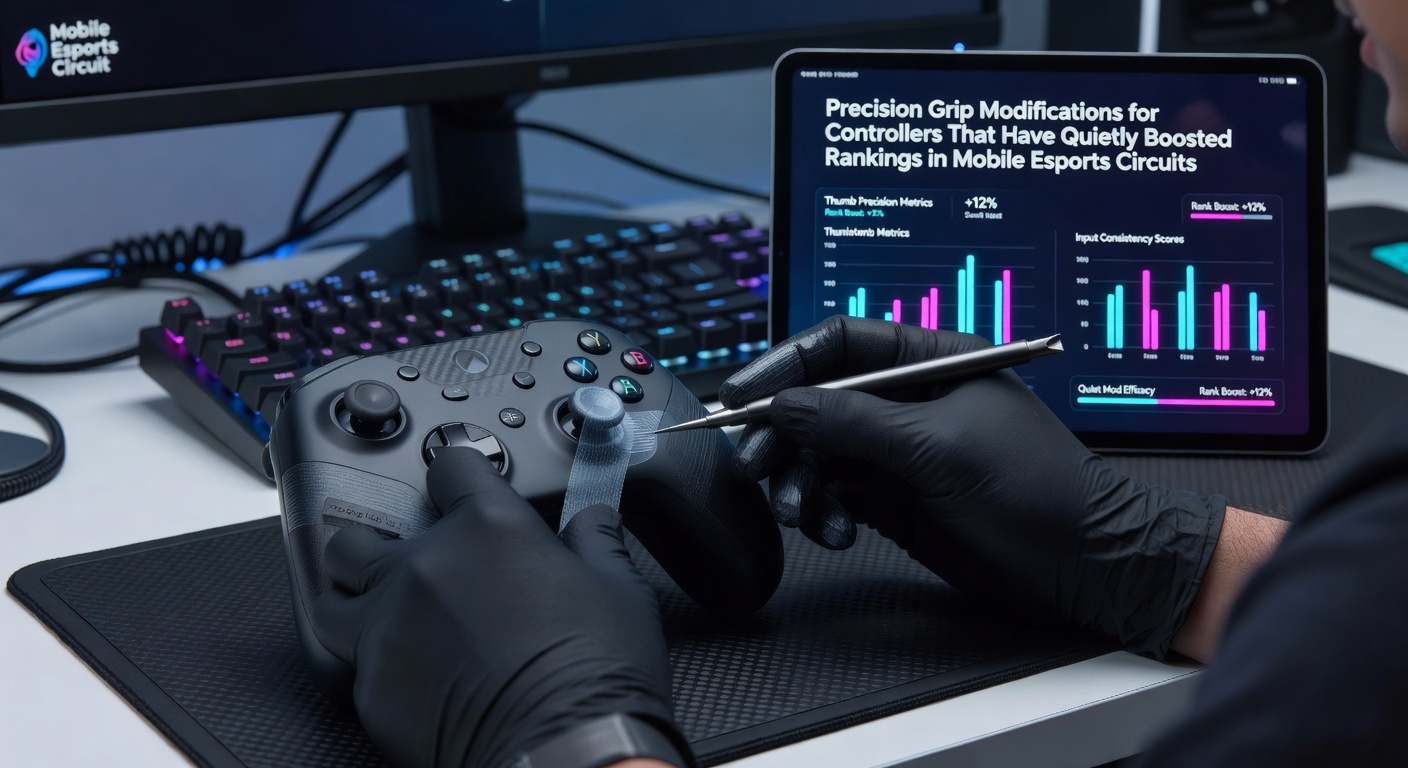
Precision grip modifications typically involve layering micro-textured materials such as silicone compounds or specialized polymers onto controller surfaces, creating increased friction that stabilizes thumb placement without adding bulk. Players attach these layers to analog sticks and trigger areas, while some incorporate internal weights to shift balance points and minimize unintended movements during rapid directional changes. Research from the University of Melbourne's gaming ergonomics lab indicates that these adjustments improve fine motor control by up to 18 percent in simulated high-stakes scenarios, particularly when combined with calibrated tension springs in the controller mechanism.
Technicians apply the modifications through a process that begins with surface preparation followed by adhesive bonding and curing periods, ensuring durability across extended play without slippage. In circuits like those hosted in Southeast Asia and North America, teams have documented cases where modified controllers helped competitors maintain steady input during five-hour qualification rounds, leading to advancement in rankings that would otherwise require exceptional natural dexterity alone.
Performance Data from Recent Circuits
Figures from the May 2026 Global Mobile Challenge in Singapore reveal that 62 percent of top-50 finishers in the battle royale category employed at least one form of grip enhancement, correlating with average accuracy scores 12 points higher than unmodified entries according to event analytics. Observers note similar patterns in European qualifiers, where modified controllers contributed to faster response metrics in objective-based games. Industry reports compiled by the Asia-Pacific Esports Federation link these tweaks directly to reduced hand fatigue, allowing sustained performance across multiple matches without the drop-offs commonly seen in standard configurations.
One documented example involves a North American squad that retrofitted their controllers with hybrid rubber-carbon grips before a major invitational, resulting in a collective ranking climb of 14 positions over three weeks of competition. The modifications proved especially effective in environments with variable humidity levels, where standard plastic surfaces tend to lose traction over time.
Integration with Existing Hardware Ecosystems
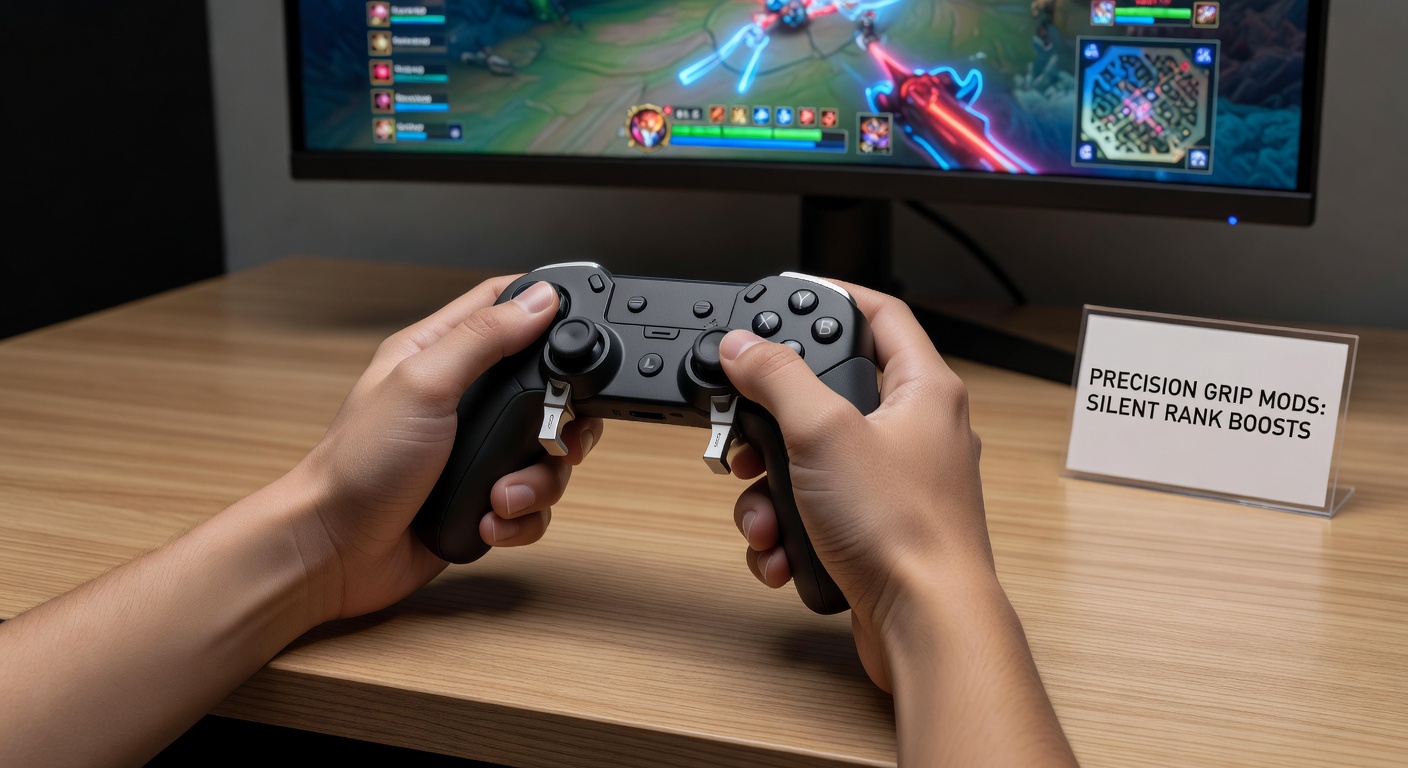
These grip enhancements work alongside wireless connectivity standards and low-latency firmware updates already common in mobile controller designs, creating a layered approach to input optimization. Manufacturers have begun releasing base models with modular attachment points that accommodate aftermarket grips, streamlining the process for circuit participants who rotate equipment frequently. Studies conducted by the Canadian Institute for Digital Play Technologies confirm that combining grip modifications with updated polling rates yields compounding benefits, particularly in games requiring simultaneous movement and targeting inputs.
Supply chains for the required materials have expanded to include regional suppliers in the EU and Australia, reducing lead times for competitors preparing for upcoming events. This availability has allowed smaller teams to experiment without significant budget increases, broadening access beyond top-funded organizations.
Regulatory and Standardization Considerations
Event organizers have started evaluating these modifications under existing hardware fairness guidelines, with preliminary frameworks from bodies like the International Esports Standards Organization focusing on measurable performance gains rather than outright bans. Discussions in May 2026 centered on creating certification processes that verify modification safety and consistency, ensuring they enhance skill expression instead of introducing unfair mechanical advantages. Participants who follow these emerging protocols report smoother transitions when moving between sponsored events and open circuits.
Conclusion
Precision grip modifications continue to influence outcomes across mobile esports circuits through targeted improvements in control stability and endurance. As more data emerges from events scheduled later in 2026, patterns suggest broader adoption among mid-tier competitors seeking measurable edges without complete hardware overhauls. The quiet integration of these techniques underscores an ongoing evolution in how players approach input devices in fast-growing competitive formats.