Sound Design Influences on Coordination in Mobile Esports Competitions
Frankie Russell · Sep 29, 2026
Sound Design Influences on Coordination in Mobile Esports Competitions
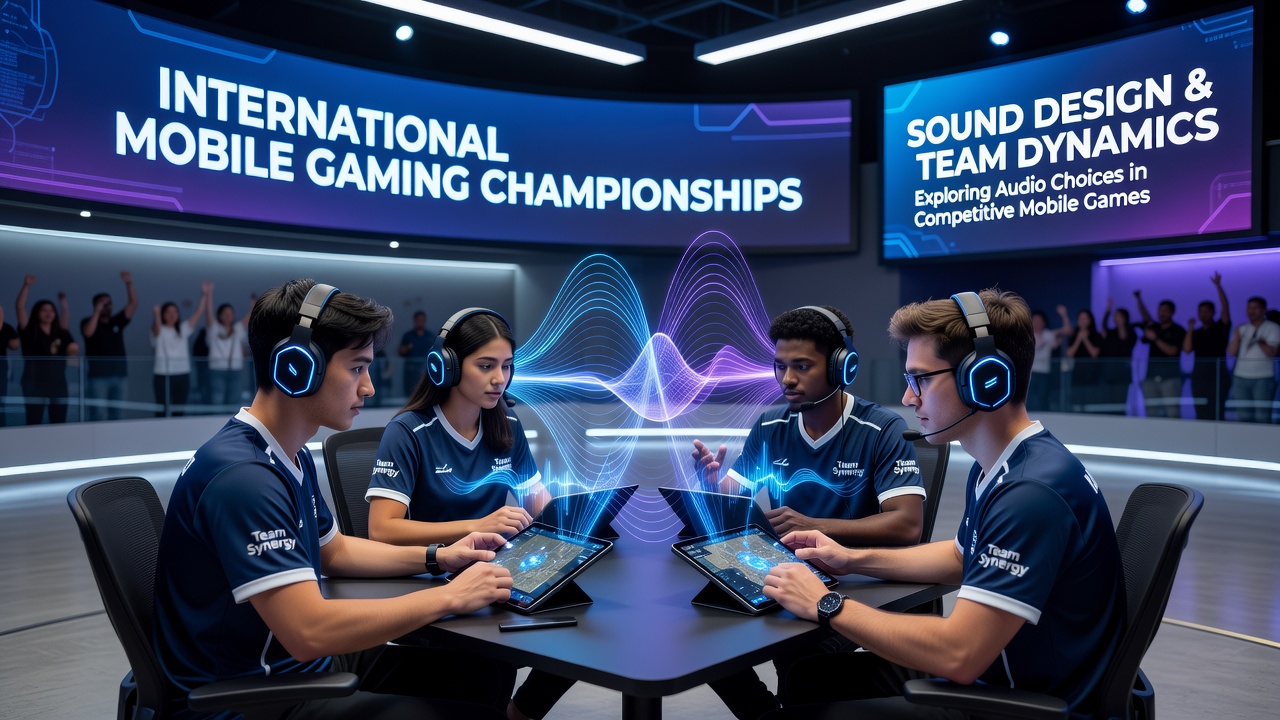
Sound design choices in mobile gaming applications shape how teams coordinate during international competitions through layered audio cues that convey positional data, ability timing, and environmental shifts without requiring constant verbal input. Mobile platforms limit screen real estate, so developers rely on spatial audio, frequency-specific alerts, and directional panning to transmit critical information to players wearing headsets or earbuds. These elements become especially relevant in events where participants from multiple regions compete under tight schedules and varying network conditions.
Directional Audio and Positional Awareness
Developers implement binaural audio processing in mobile titles to simulate three-dimensional sound fields that help squads track enemy movements and teammate locations across the map. Players receive subtle volume and pitch variations that indicate distance and angle, allowing quick adjustments in formation without pausing to check minimaps. Studies on audio localization in gaming environments show measurable improvements in response times when teams train with consistent spatial cues, particularly in fast-paced mobile battle arenas where visual attention stays fixed on the central screen area.
International qualifiers held ahead of major circuits in September 2026 have begun incorporating standardized audio testing protocols to ensure fair representation of these cues across different device models. Regional server architectures already influence latency profiles, yet sound layers operate independently and provide stable coordination signals even when visual rendering experiences brief drops.
Communication Reduction and Squad Efficiency
Teams that practice with designed audio feedback systems report fewer instances of overlapping callouts during matches, because certain ability activations and resource spawns generate distinct tonal signatures that every member recognizes instantly. This reduction in spoken commands frees bandwidth for higher-level strategy discussion, especially useful when language differences exist among international roster members. Data from mobile esports circuits indicates that squads using synchronized sound training complete objective rotations with greater consistency than those relying solely on voice chat.
One documented case involved a Southeast Asian squad that integrated custom audio profiles into their preparation for cross-regional events, resulting in faster decision cycles during objective contests. Observers noted that the team’s coordination dynamics shifted toward preemptive positioning rather than reactive adjustments once all members internalized the sound library.
Hardware Variables and Audio Fidelity
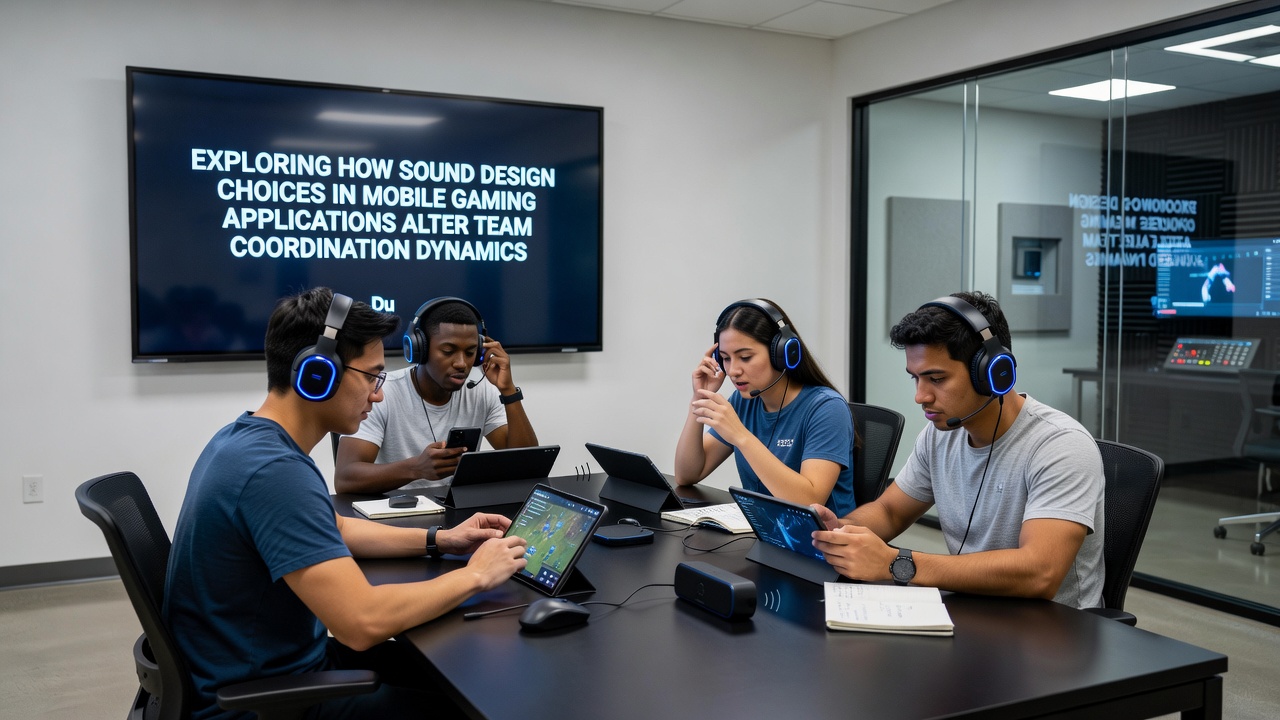
Mobile devices vary widely in speaker quality and headphone jack specifications, which means sound design teams must calibrate frequency ranges to remain intelligible on both premium and entry-level hardware. Research conducted by the University of Melbourne examined how mid-range frequency emphasis affects player detection rates across device tiers, finding that certain cue sets maintain effectiveness even when compressed for lower-bandwidth connections. These findings matter for international competitions that draw participants using equipment sourced from multiple continents.
Thermal management advances in portable devices also intersect with audio delivery, because sustained high-volume playback can influence device temperatures and, by extension, frame rates during extended tournament sets. Organizers for the September 2026 mobile circuit have started requiring audio performance benchmarks alongside standard hardware checks to maintain consistent team coordination conditions.
Training Protocols and Adaptation Patterns
Coaching staffs now incorporate dedicated sound design review sessions into weekly preparation, where players listen to isolated cue libraries and practice silent coordination drills. These sessions build shared auditory memory that carries over into live matches, reducing the cognitive load during high-pressure moments. European esports federations have published guidelines encouraging teams to document which audio layers prove most effective for specific map types and objective types.
Adaptation occurs differently across regions because cultural exposure to game audio conventions varies, yet repeated exposure during international scrimmages accelerates convergence on common cue interpretations. Teams that rotate rosters frequently invest additional time in audio standardization to preserve coordination continuity.
Conclusion
Sound design choices continue to influence team coordination dynamics in mobile gaming applications by supplying reliable, non-verbal information channels that operate alongside visual and verbal inputs. International competitions scheduled through September 2026 will likely expand testing of these systems as device diversity and regional participation both increase. Data from ongoing circuits shows that consistent audio calibration correlates with smoother objective execution and reduced miscommunication across language barriers, establishing audio layers as a measurable component of competitive preparation.