The Influence of Firmware Iterations on Input Latency Profiles in Mobile Esports Regional Leagues
Freya Reed · May 31, 2026
The Influence of Firmware Iterations on Input Latency Profiles in Mobile Esports Regional Leagues
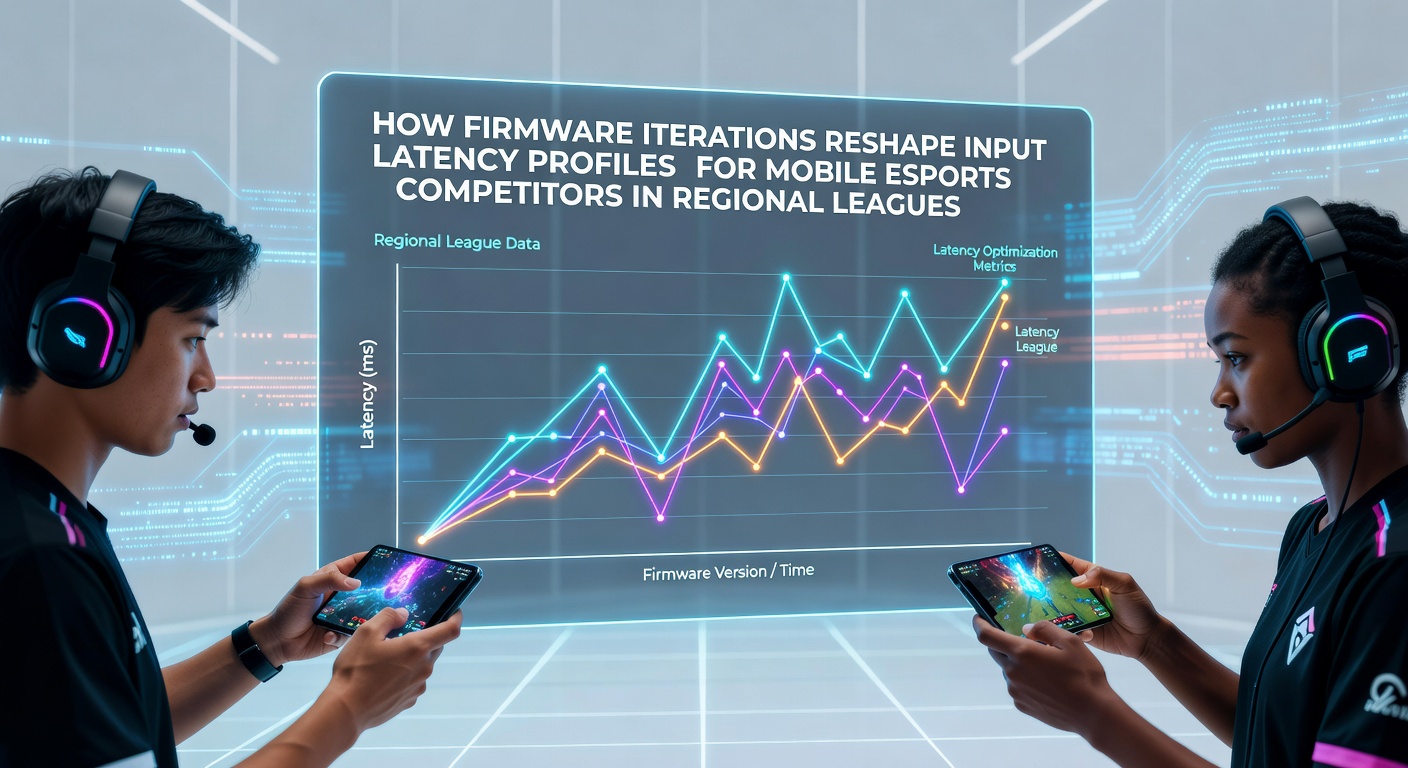
Regional mobile esports leagues have seen firmware updates emerge as a central factor in how input signals travel from screen to processor and onward to game servers, and observers note that these software layers can shift response curves in measurable ways across different device models used by competitors.
Data collected during league events in early 2026 shows that successive firmware releases often recalibrate touch sampling intervals and buffer management routines, which in turn alters the time it takes for a registered tap or swipe to register within the game engine itself.
Core Mechanisms Behind Latency Shifts
Firmware versions released by major smartphone manufacturers adjust the polling frequency of capacitive touch layers and refine the handoff between hardware interrupts and operating system schedulers, while researchers at several technical institutes have documented reductions in average input-to-action delays ranging from 4 to 12 milliseconds after targeted updates.
These changes matter because mobile titles in regional circuits rely on precise timing windows for actions such as ability casts or movement corrections, and even small variations compound when players compete across multiple rounds on standardized device pools provided by organizers.
Regional League Measurement Practices
League officials in circuits spanning Southeast Asia and Latin America began systematic latency profiling in 2025 using external capture tools synced to high-speed cameras, and findings indicate that firmware iteration cycles correlate with shifts in both mean latency and variance across player cohorts.
One analysis of tournament logs from May 2026 revealed that devices running the most recent firmware branch posted tighter standard deviations in input registration compared with units left on prior versions, suggesting more predictable response envelopes for competitors who maintain update schedules aligned with league requirements.
Device-Specific Response Patterns
Different handset lines exhibit distinct latency signatures after identical firmware pushes because underlying chipset architectures and display driver stacks interact uniquely with the new code, and data from league-mandated device audits shows flagship models with higher baseline sampling rates tend to benefit more consistently than mid-range units.
Competitors who rotate between multiple devices during practice sessions often report needing recalibration periods after each firmware deployment, which league support teams address through standardized rollback procedures when unexpected spikes appear in recorded metrics.
Impact on Match Outcomes and Preparation
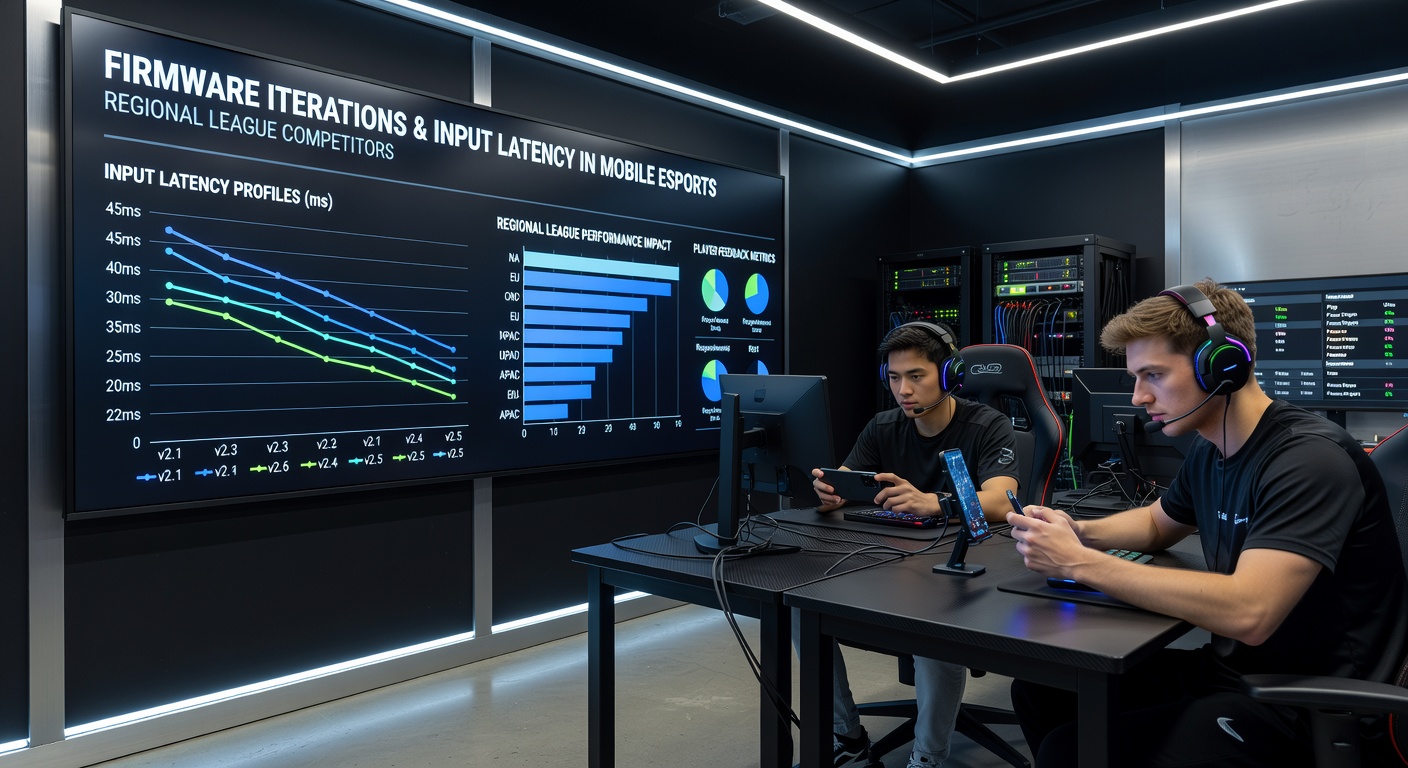
Statistical reviews of regional finals demonstrate that teams maintaining firmware parity across their roster achieve higher consistency in execution-heavy game modes, whereas mixed-version lineups encounter greater variability in action timing that can influence close-range engagements.
Coaching staff now incorporate firmware version checks into pre-event protocols, and several leagues have begun publishing recommended build numbers alongside patch notes that detail changes to input handling subsystems.
Broader Ecosystem Adjustments
Game developers respond to these firmware-driven changes by releasing client-side patches that recalibrate prediction algorithms and input smoothing filters, which helps normalize the experience for players across varying device states, and industry reports from organizations such as the Entertainment Software Association track how these coordinated updates affect participation rates in sanctioned regional events.
Hardware vendors meanwhile publish detailed changelogs that highlight latency-related fixes, allowing competitors and technicians to anticipate profile shifts rather than discover them mid-tournament.
Conclusion
Firmware iterations continue to serve as an active variable in the input latency equation for mobile esports participants in regional leagues, with measurement programs and coordinated patching efforts helping maintain competitive equity as device software evolves through 2026 and beyond, and ongoing data collection from league archives provides the foundation for further refinement of preparation standards.